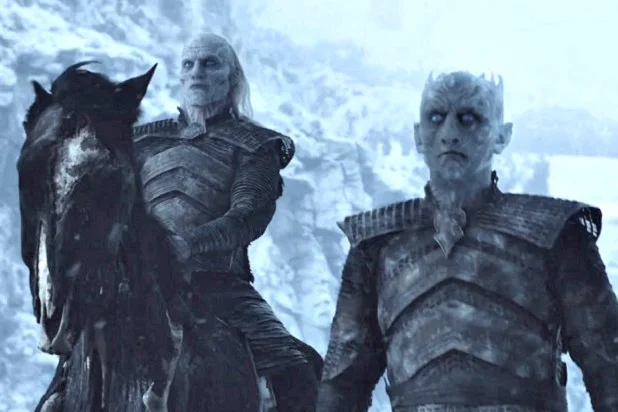
An In-depth Analysis: The White Walker Threat

ursustel.net – The White Walkers, also known as the Others, have been a source of fear and fascination in the world of Westeros, as depicted in the popular television series “Game of Thrones” and the “A Song of Ice and Fire” novels by George R.R. Martin. This article delves into the origins, powers, and the existential threat posed by these mythical beings to the realm of men.

Origins and Mythology

The Ancient Enigma: Origins of the White Walkers

The White Walkers are shrouded in mystery, with their origins traced back to the distant past of Westeros. According to legends, they were created by the Children of the Forest as a weapon against the invading First Men. The Night King, the leader of the White Walkers, was supposedly the first of his kind, transformed from a captured human.

Powers and Abilities

The Supernatural Menace: Powers of the White Walkers

White Walkers possess supernatural abilities that make them formidable adversaries. They can raise the dead to fight for them, creating an army of the undead known as wights. They are nearly invulnerable, with only dragonglass and Valyrian steel capable of harming them. Their presence brings a bitter cold, and they can even shatter their enemies with a touch.

The Threat to Westeros

The Icy Tide: The White Walkers’ March South

The White Walkers pose a grave threat to the living, as they seek to expand their frozen domain southward. Their advance is relentless, and their numbers grow with every fallen soldier they resurrect. The Night King’s ability to control a dragon after turning it into a wight adds an aerial dimension to their threat, capable of destroying the Wall and the defenses of the North.

The Defense of Westeros

The Gathering Storm: Preparing for the White Walker Invasion

In the face of the White Walker threat, the living must unite to defend Westeros. The Night’s Watch, once the primary defense against the Others, is now joined by various factions, including the wildlings and the armies of the North. The use of dragonglass and Valyrian steel is crucial, as is the strategic use of dragons.

Conclusion

The Frozen Horizon: The Future of Westeros

The White Walker threat is not just a battle for the living; it is a fight for the soul of Westeros. The outcome of this conflict will determine the fate of the realm and its people. As the icy tide advances, the living must stand together, or face the prospect of eternal winter under the rule of the Night King.

The Love Island Phenomenon: A Cultural Analysis

ursustel.net – In the era of reality television, few shows have captured the public’s imagination quite like Love Island. Premiering in 2005 in its native UK, the show has since expanded to various countries, including Australia, Germany, and the United States, becoming a global phenomenon. Love Island is a dating reality show that places a group of singles in a luxurious villa, where they must couple up to stay in the competition and vie for a cash prize. Beyond its entertainment value, Love Island has become a cultural phenomenon, reflecting and influencing societal norms, values, and behaviors. This article delves into the multifaceted impact of Love Island on culture, examining its role in shaping public discourse on relationships, body image, and mental health.

The Allure of Love Island

Escapism and Fantasy

One of the primary reasons for Love Island’s popularity is its ability to offer viewers an escape from their daily lives. The show’s setting in a picturesque villa, coupled with its focus on romance and drama, provides a fantasy world that many find appealing. This escapism is not just about the luxurious lifestyle but also about the simplification of complex human relationships into a game-like format.

The Game of Love

Love Island presents relationships as a game, with clear rules and objectives. This gamification of love and dating resonates with a generation that has grown up with video games and social media, where interactions and relationships are often mediated through screens. The show’s format taps into the competitive nature of dating apps, making it relatable to a wide audience.

Cultural Impact

Shaping Relationship Norms

Love Island has had a significant impact on how relationships are perceived and conducted, especially among younger generations. The show normalizes certain behaviors, such as “recoupling” (switching partners), which can influence viewers’ attitudes towards commitment and loyalty. It also highlights the importance of physical attraction in initial stages of dating, potentially impacting societal standards for romantic relationships.

Body Image and Beauty Standards

The participants on Love Island are often selected based on conventional beauty standards, which can perpetuate unrealistic body image ideals. The show’s emphasis on physical appearance can reinforce societal pressures, particularly among young viewers who may strive to emulate the looks and lifestyles of the islanders. However, there have been efforts to include more diverse body types and backgrounds, reflecting a broader spectrum of beauty.

Mental Health Awareness

The intense scrutiny and emotional challenges faced by Love Island participants have brought mental health issues into the spotlight. The show has been criticized for its impact on the mental well-being of its contestants, leading to discussions about the responsibilities of producers and broadcasters. In response, Love Island has introduced measures to support contestants’ mental health, contributing to broader conversations about mental health awareness and support.

Conclusion

The Love Island phenomenon is more than just a reality TV show; it’s a cultural touchstone that reflects and influences societal norms and behaviors. Its impact on relationship dynamics, body image, and mental health awareness is significant, making it a subject of both fascination and concern. As the show continues to evolve, it will be interesting to see how it addresses its role in shaping cultural narratives and whether it can balance entertainment with responsibility.