Visions of Hell in Art and Culture: The Hellscape

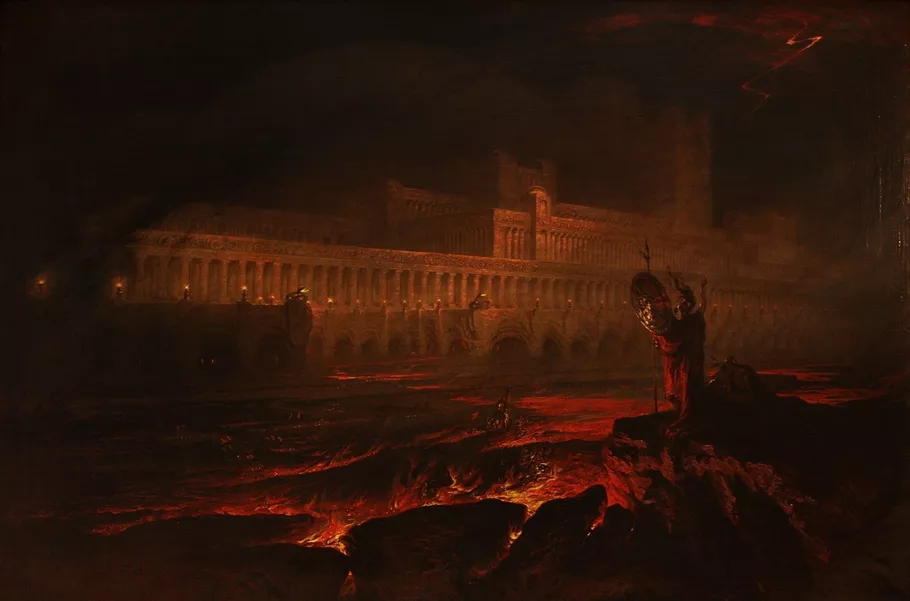
ursustel.net – The concept of Hell has fascinated humanity for centuries, serving as a powerful motif in art, literature, and culture. It is a realm of eternal punishment, a place of suffering and torment for the wicked. This article explores the various representations of Hell in art and culture, delving into the different interpretations and the impact they have had on our collective imagination.

The Origins of Hell

The idea of Hell can be traced back to ancient civilizations, where it was often depicted as a dark, subterranean world. In Mesopotamian mythology, for example, the underworld was ruled by the goddess Ereshkigal. Similarly, the ancient Greeks had their version of Hell, known as Hades, presided over by the god of the same name. These early concepts laid the groundwork for later, more elaborate visions of Hell in Judeo-Christian and Islamic traditions.

Hell in Religious Art

Religious art has been a primary medium for depicting Hell, with artists interpreting sacred texts to create vivid images of the infernal realm. The medieval period saw the rise of detailed illustrations of Hell in illuminated manuscripts, while the Renaissance brought forth masterpieces such as Hieronymus Bosch’s “The Garden of Earthly Delights” and Dante Alighieri’s “Inferno,” which inspired countless artists, including Sandro Botticelli and Gustave DorĂ©.

The Literary Hellscape

Literature has also played a crucial role in shaping our understanding of Hell. Dante’s “Divine Comedy” is perhaps the most influential work, with its detailed nine circles of Hell. Other notable works include John Milton’s “Paradise Lost,” which portrays Satan’s rebellion and fall from Heaven, and the more contemporary “Inferno” by Dan Brown, which uses Dante’s work as a backdrop for a modern thriller.

Hell in Popular Culture

The concept of Hell has permeated popular culture, appearing in films, television shows, and video games. Movies like “The Exorcist” and “Hellraiser” tap into the fear of demonic possession and the horrors of Hell. Television series such as “Supernatural” and “The Good Place” offer modern takes on the afterlife, blending humor with existential questions. Video games like “Doom” and “Diablo” invite players to battle demons in hellish landscapes.

The Symbolism of Hell

Beyond its literal interpretations, Hell serves as a powerful symbol in art and culture. It represents the consequences of sin, the fear of death, and the struggle between good and evil. Artists and writers use the imagery of Hell to explore themes of morality, justice, and redemption, challenging viewers and readers to confront their own beliefs and fears.

Conclusion

The hellscape in art and culture is a multifaceted concept that has evolved over centuries. From religious iconography to modern entertainment, the depiction of Hell continues to captivate and terrify. As our understanding of the afterlife changes, so too will our artistic and cultural representations of Hell, ensuring that this dark realm remains a fertile ground for creative expression and contemplation.
Unveiling the Enigma of Future Foresight: The Mystic’s Prophecy

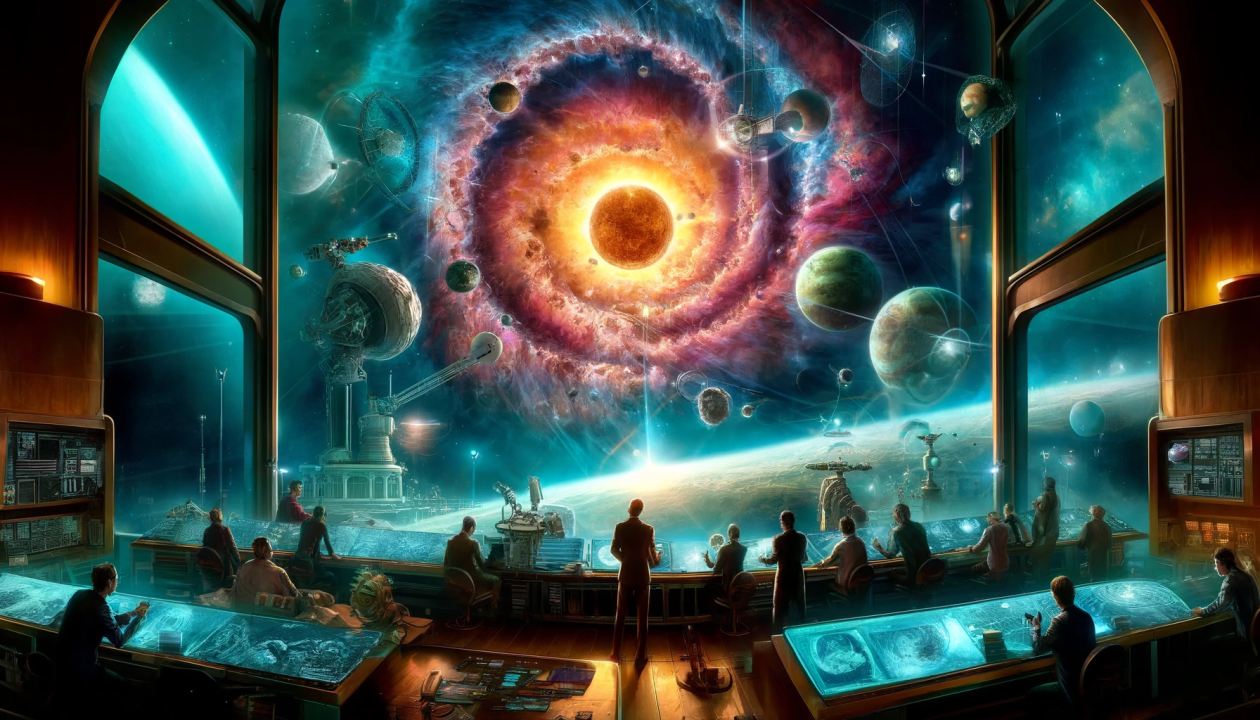
ursustel.net – In the annals of history, the enigmatic art of prophecy has captivated the minds and hearts of countless individuals. Among the most intriguing of these prophetic tales is “The Mystic’s Prophecy,” a narrative that transcends time, culture, and belief. This article delves into the essence of this mystical prediction, exploring its origins, its impact on society, and the lessons it imparts about the human condition.

Origins of the Mystic’s Prophecy

The origins of “The Mystic’s Prophecy” are shrouded in mystery, with various cultures and traditions claiming their own versions of the tale. Some trace its roots back to ancient civilizations, where oracles and seers were revered for their ability to glimpse into the future. Others believe it emerged from the spiritual practices of indigenous peoples, who communicated with the spirit world through rituals and visions. Regardless of its source, the prophecy has been passed down through generations, evolving and adapting to the changing landscape of human belief and understanding.

The Content of the Prophecy

At its core, “The Mystic’s Prophecy” speaks of a time of great transformation, a period when the world will undergo profound changes that will challenge the very fabric of human existence. It foretells of a convergence of events natural disasters, societal upheavals, and spiritual awakenings—that will force humanity to confront its deepest fears and highest aspirations. The prophecy does not predict doom but rather suggests that these trials will serve as a crucible, refining humanity and leading to a new era of enlightenment and harmony.

Impact on Society

Throughout history, “The Mystic’s Prophecy” has influenced various aspects of society, from art and literature to politics and religion. It has inspired movements and shaped the worldviews of countless individuals, encouraging some to prepare for the predicted changes while prompting others to reflect on their values and priorities. The prophecy has also been a source of controversy, with skeptics dismissing it as mere superstition and others embracing it as divine revelation.

Interpretations and Meanings

One of the most fascinating aspects of “The Mystic’s Prophecy” is its open-ended nature, allowing for multiple interpretations. Some see it as a literal prediction of future events, while others view it as a metaphorical guide for personal growth and spiritual development. Regardless of how it is interpreted, the prophecy serves as a reminder of the interconnectedness of all things and the importance of living in harmony with oneself, others, and the planet.

Conclusion

“The Mystic’s Prophecy” is more than just a prediction of future events; it is a timeless narrative that speaks to the human quest for meaning, purpose, and connection. Whether viewed as a literal forecast or a symbolic allegory, the prophecy challenges us to consider our place in the world and the legacy we wish to leave for future generations. As we navigate the complexities of the modern age, the wisdom contained within “The Mystic’s Prophecy” offers a beacon of hope and a path toward a brighter, more enlightened future.

Exploring Graveyard Legends and Lore: The Haunted Cemetery

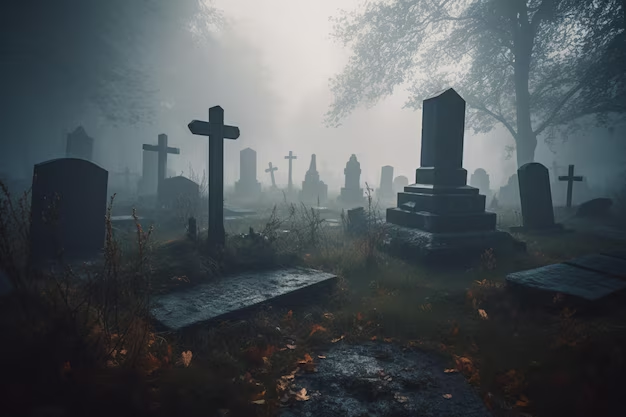
ursustel.net – The haunted cemetery, a place where the boundary between the living and the dead seems to blur, has long been a source of fascination and fear. These hallowed grounds, filled with the final resting places of the deceased, are often steeped in legends and lore that have been passed down through generations. From ghostly apparitions to eerie sounds, cemeteries around the world are said to be home to a variety of supernatural occurrences. In this article, we will delve into the world of graveyard legends and lore, exploring the stories and beliefs that have given rise to the notion of the haunted cemetery.

The Allure of the Haunted Cemetery

Cemeteries are more than just places of burial; they are repositories of history, culture, and personal stories. The atmosphere of a cemetery, with its aged stones and quiet solitude, naturally lends itself to contemplation and, for some, a sense of unease. The idea that the spirits of the departed might linger in these places has given rise to countless tales of hauntings and paranormal activity.

Legends and Lore

Many cemeteries have their own unique legends and lore. For example, the famous Highgate Cemetery in London is said to be haunted by the ghost of a vampire, while the Myrtles Plantation in Louisiana is rumored to be home to the spirit of a young slave girl who is often seen in the windows of the main house. These stories are often rooted in local history and the tragic events that have occurred on or near the cemetery grounds.

One of the most enduring legends is that of the “haunted grave,” where the spirit of the deceased is believed to rise from the grave and wander the cemetery or even beyond. This legend has many variations, with some cultures believing that the spirit is restless due to unfinished business, while others suggest that the spirit is seeking revenge or is simply unable to find peace.

The Role of Folklore

Folklore plays a significant role in the lore of haunted cemeteries. Many cultures have traditions and superstitions about how to behave in a cemetery to avoid attracting the attention of spirits or ghosts. For instance, it is considered bad luck to walk over a grave or to leave before the person you arrived with. These beliefs are often passed down to entertain, educate, or warn, and they contribute to the mystique of the haunted cemetery.

Paranormal Investigations

The fascination with haunted cemeteries has led to a surge in paranormal investigations. Ghost hunters and enthusiasts visit these sites armed with cameras, voice recorders, and other equipment in the hopes of capturing evidence of the supernatural. While some claim to have recorded ghostly orbs, EVP (Electronic Voice Phenomena), or even apparitions, skeptics argue that these phenomena can often be explained by natural occurrences or psychological factors.

Respect and Preservation

Despite the allure of the supernatural, it is important to remember that cemeteries are sacred spaces. They are places of mourning and remembrance for the families of the deceased. Visitors to haunted cemeteries should approach these sites with respect, mindful of the living who may still grieve for their loved ones.

Moreover, cemeteries are important historical sites that offer a glimpse into the lives of past generations. Preserving these sites and their stories is crucial for maintaining our connection to the past and understanding our cultural heritage.

Conclusion

The haunted cemetery, with its blend of history, folklore, and the unknown, continues to captivate the imagination. Whether one believes in ghosts or not, there is no denying the powerful allure of these hallowed grounds. As we explore the legends and lore of graveyards, we are reminded of the thin veil that separates the world of the living from the realm of the dead, and the enduring human fascination with what lies beyond.