
Exploring Asian-Western Marriages: Different Cultures, One Love

ursustel.net – In recent years, the world has become increasingly interconnected, leading to a rise in cross-cultural relationships and marriages. Among these, Asian-Western marriages have become particularly prominent, reflecting a global shift towards cultural integration and understanding. This phenomenon is not just a testament to the power of love transcending geographical and cultural boundaries but also an indication of the changing dynamics of globalization.

Navigating Cultural Differences

One of the primary challenges in Asian-Western marriages is navigating the cultural differences that come with the union. From differing family expectations and traditions to varying perspectives on life and love, couples must learn to communicate effectively and find common ground. This process often involves a deep dive into each other’s cultures, fostering a richer, more nuanced understanding of each other’s backgrounds.

The Blending of Traditions

Asian-Western marriages often result in the blending of traditions, creating unique celebrations and practices that honor both cultures. Weddings, for example, may incorporate elements from both Eastern and Western ceremonies, symbolizing the union of two distinct heritages. This blending extends beyond ceremonial occasions, influencing daily life, parenting styles, and even the couple’s worldview.

Overcoming Stereotypes and Prejudices

Despite the beauty of cross-cultural love, couples in Asian-Western marriages may face stereotypes and prejudices from both sides. It is crucial for these couples to stand united against such challenges, using their relationship as a platform to educate and advocate for cultural acceptance and diversity. By doing so, they not only strengthen their bond but also contribute to a more inclusive society.

The Future of Asian-Western Marriages

As the world continues to shrink, Asian-Western marriages are likely to become even more common. The future of these unions is promising, with the potential to further break down cultural barriers and promote global harmony. As each couple navigates their unique journey, they pave the way for a more interconnected and understanding world, where love truly knows no bounds.
Exploring Graveyard Legends and Lore: The Haunted Cemetery

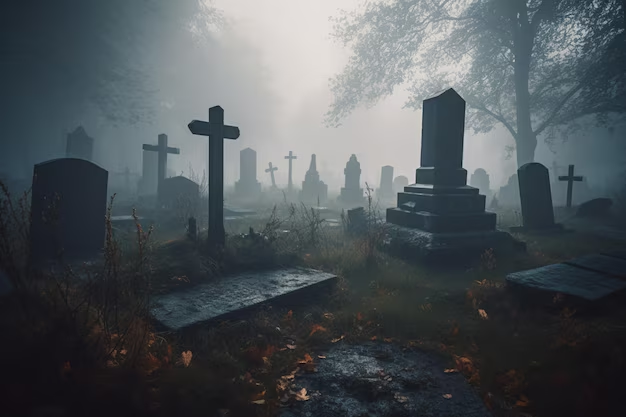
ursustel.net – The haunted cemetery, a place where the boundary between the living and the dead seems to blur, has long been a source of fascination and fear. These hallowed grounds, filled with the final resting places of the deceased, are often steeped in legends and lore that have been passed down through generations. From ghostly apparitions to eerie sounds, cemeteries around the world are said to be home to a variety of supernatural occurrences. In this article, we will delve into the world of graveyard legends and lore, exploring the stories and beliefs that have given rise to the notion of the haunted cemetery.

The Allure of the Haunted Cemetery

Cemeteries are more than just places of burial; they are repositories of history, culture, and personal stories. The atmosphere of a cemetery, with its aged stones and quiet solitude, naturally lends itself to contemplation and, for some, a sense of unease. The idea that the spirits of the departed might linger in these places has given rise to countless tales of hauntings and paranormal activity.

Legends and Lore

Many cemeteries have their own unique legends and lore. For example, the famous Highgate Cemetery in London is said to be haunted by the ghost of a vampire, while the Myrtles Plantation in Louisiana is rumored to be home to the spirit of a young slave girl who is often seen in the windows of the main house. These stories are often rooted in local history and the tragic events that have occurred on or near the cemetery grounds.

One of the most enduring legends is that of the “haunted grave,” where the spirit of the deceased is believed to rise from the grave and wander the cemetery or even beyond. This legend has many variations, with some cultures believing that the spirit is restless due to unfinished business, while others suggest that the spirit is seeking revenge or is simply unable to find peace.

The Role of Folklore

Folklore plays a significant role in the lore of haunted cemeteries. Many cultures have traditions and superstitions about how to behave in a cemetery to avoid attracting the attention of spirits or ghosts. For instance, it is considered bad luck to walk over a grave or to leave before the person you arrived with. These beliefs are often passed down to entertain, educate, or warn, and they contribute to the mystique of the haunted cemetery.

Paranormal Investigations

The fascination with haunted cemeteries has led to a surge in paranormal investigations. Ghost hunters and enthusiasts visit these sites armed with cameras, voice recorders, and other equipment in the hopes of capturing evidence of the supernatural. While some claim to have recorded ghostly orbs, EVP (Electronic Voice Phenomena), or even apparitions, skeptics argue that these phenomena can often be explained by natural occurrences or psychological factors.

Respect and Preservation

Despite the allure of the supernatural, it is important to remember that cemeteries are sacred spaces. They are places of mourning and remembrance for the families of the deceased. Visitors to haunted cemeteries should approach these sites with respect, mindful of the living who may still grieve for their loved ones.

Moreover, cemeteries are important historical sites that offer a glimpse into the lives of past generations. Preserving these sites and their stories is crucial for maintaining our connection to the past and understanding our cultural heritage.

Conclusion

The haunted cemetery, with its blend of history, folklore, and the unknown, continues to captivate the imagination. Whether one believes in ghosts or not, there is no denying the powerful allure of these hallowed grounds. As we explore the legends and lore of graveyards, we are reminded of the thin veil that separates the world of the living from the realm of the dead, and the enduring human fascination with what lies beyond.

Exploring Nearby Star Systems: The Galactic Neighborhood

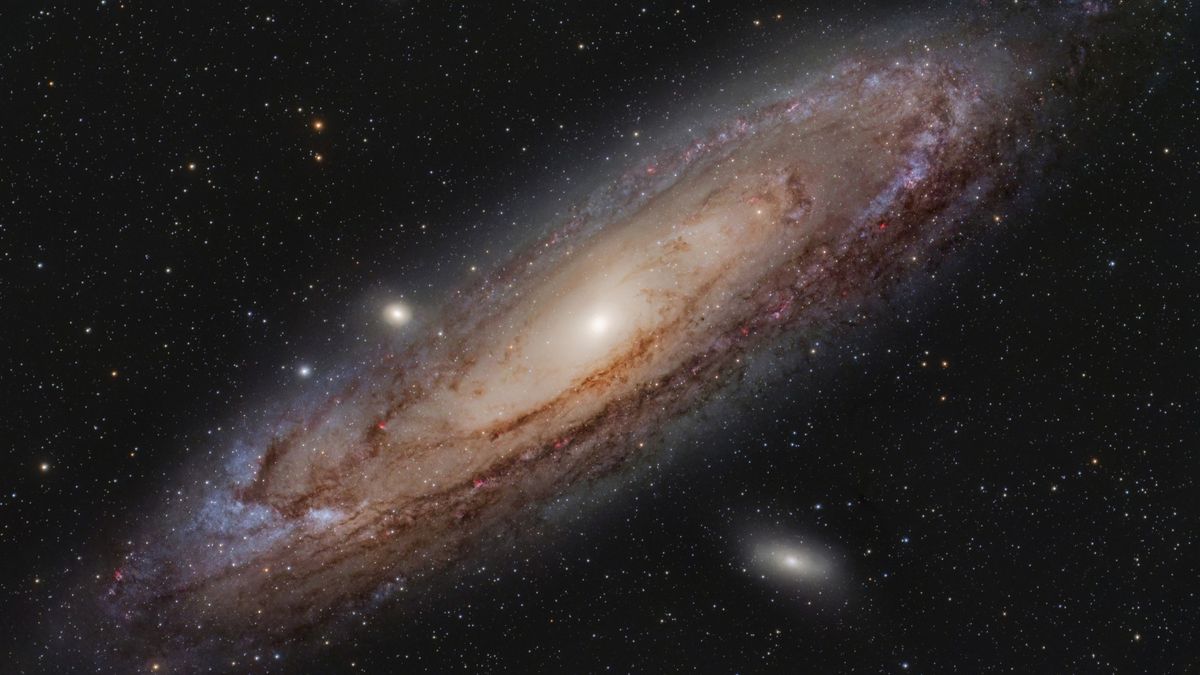
ursustel.net – The vast expanse of space is filled with billions of stars, each with its own system of planets, moons, and other celestial bodies. Among these, a few star systems are our close neighbors, lying within a few light-years from Earth. These nearby star systems are not just points of light in the night sky but are destinations for future exploration and potential sites for extraterrestrial life. In this article, we will take a journey through our galactic neighborhood, exploring the stars and planets that are our closest cosmic companions.

Proxima Centauri: The Nearest Neighbor
The closest star system to the Solar System is the Alpha Centauri system, which consists of three stars: Alpha Centauri A, Alpha Centauri B, and Proxima Centauri. Proxima Centauri, a red dwarf star, holds the title of the nearest known star to the Sun, located about 4.24 light-years away. In 2016, astronomers discovered Proxima Centauri b, an Earth-sized exoplanet orbiting in the star’s habitable zone, where conditions might be right for liquid water to exist. This discovery sparked interest in the potential for life and the possibility of future interstellar missions.

Barnard’s Star: The Fastest Moving Star
Barnard’s Star, located approximately 6.0 light-years away, is the second nearest star system to the Sun. It is a red dwarf known for its rapid movement across the sky, making it the fastest moving star relative to the Sun. Although no planets have been confirmed around Barnard’s Star, its proximity and unique characteristics make it an intriguing target for future studies.

The Sirius System: The Brightest Star in the Night Sky
Sirius, located about 8.6 light-years away, is the brightest star visible from Earth and is part of the constellation Canis Major. The Sirius system consists of two stars: Sirius A, a main-sequence star, and Sirius B, a white dwarf. The presence of a white dwarf in the system provides valuable insights into stellar evolution and the life cycle of stars.

Luhman 16: The Third Closest System
Luhman 16, also known as WISE 1049-5319, is a binary system consisting of two brown dwarfs located about 6.5 light-years away. Discovered in 2013, Luhman 16 is the third closest system to the Sun and the closest known binary brown dwarf system. Its proximity and the relatively cool temperatures of the brown dwarfs make it an excellent target for studying the atmospheres of these “failed stars.”

Tau Ceti: A Sun-like Star with Potential Habitable Worlds
Tau Ceti, located approximately 11.9 light-years away, is a single star similar to the Sun in terms of spectral type and age. It has a planetary system with at least four confirmed planets, some of which are located in the star’s habitable zone. The potential for life around Tau Ceti has long fascinated scientists and science fiction writers alike.

Epsilon Eridani: A Young Star with a Dusty Disk
Epsilon Eridani, situated about 10.5 light-years away, is a relatively young star with an age of about 800 million years. It is surrounded by a disk of dust and debris, which suggests that planet formation may still be taking place. A Jupiter-like planet has been detected orbiting the star, and there may be other, smaller planets yet to be discovered.

Conclusion:
Our galactic neighborhood is a diverse and dynamic place, filled with stars and planetary systems that offer a wealth of information about the universe. From the nearby Proxima Centauri with its potentially habitable exoplanet to the dusty disk of Epsilon Eridani, each star system provides unique opportunities for scientific discovery and exploration. As technology advances, we may one day send probes to these nearby stars, or even venture there ourselves, to explore the worlds that orbit them. For now, we continue to observe and learn, piecing together the story of our place in the cosmos and the potential for life beyond our Solar System.