UpMisiones: Menghubungkan Hati dan Tindakan untuk Perubahan Sosial Tanpa Batas

UpMisiones hadir sebagai jembatan yang menghubungkan individu dengan hati yang peduli dan tindakan nyata untuk menciptakan perubahan sosial yang lebih luas. Dalam dunia yang semakin terhubung, platform ini memungkinkan orang dari berbagai latar belakang dan lokasi geografis untuk bekerja bersama dalam mengatasi tantangan sosial global yang memerlukan perhatian segera. Dengan memanfaatkan teknologi digital, UpMisiones memberi kesempatan bagi relawan, organisasi sosial, dan donatur untuk berkolaborasi secara lebih efisien dan berdampak. Tujuan utama platform ini adalah memastikan bahwa setiap kontribusi, sekecil apa pun, dapat membawa perubahan signifikan bagi mereka yang membutuhkan.

Melalui up misiones, relawan memiliki akses mudah untuk bergabung dalam berbagai proyek sosial yang membutuhkan dukungan, baik itu dalam bentuk tenaga, keahlian, maupun dana. Platform ini menghubungkan individu dengan proyek yang relevan dengan minat dan kemampuan mereka, memungkinkan keterlibatan yang lebih mendalam dan berkelanjutan. Selain itu, UpMisiones juga memungkinkan relawan untuk berkontribusi secara virtual, menghilangkan batasan fisik yang sebelumnya menghalangi mereka untuk membantu di lokasi-lokasi tertentu. Dengan cara ini, UpMisiones menciptakan jaringan sosial yang lebih kuat, di mana hati yang peduli dapat bertemu dengan tindakan yang memberikan dampak langsung.

Bergabung dengan up misiones berarti berpartisipasi dalam gerakan sosial tanpa batasan. Platform ini mendemonstrasikan bahwa teknologi dapat menjadi alat yang kuat untuk mempercepat perubahan sosial, menghubungkan hati-hati yang peduli di seluruh dunia dengan inisiatif yang membutuhkan dukungan. UpMisiones menunjukkan bahwa dengan kerja sama yang solid dan niat yang tulus, kita bisa mengubah dunia ini menjadi tempat yang lebih baik. Setiap tindakan yang diambil, tidak peduli seberapa kecil, akan menghasilkan dampak sosial yang lebih besar ketika digabungkan dalam satu visi yang sama untuk menciptakan kebaikan.


Designing Solutions for Tomorrow: The Art of Engineering

ursustel.net – In the ever-evolving landscape of technology and innovation, the role of engineers has become increasingly pivotal. They are not just builders of bridges and roads; they are the architects of the future, designing solutions that will shape tomorrow. The art of engineering is a blend of creativity, technical expertise, and a deep understanding of the world’s needs. This article delves into the intricate process of how engineers conceptualize, design, and implement solutions that are not only innovative but also sustainable and impactful.

The Creative Process in Engineering

Engineering is often perceived as a field that is purely technical and devoid of creativity. However, the truth is far from it. The creative process in engineering begins with identifying a problem or a need. Engineers must think outside the box, challenging the status quo and envisioning solutions that have never been tried before. This phase requires a blend of imagination and technical knowledge, as engineers must ensure that their ideas are feasible and grounded in scientific principles.

The Importance of Interdisciplinary Collaboration

No engineering project is an island. The complexity of modern challenges demands collaboration across various disciplines. Engineers often work hand in hand with scientists, designers, and even social scientists to ensure that their solutions are holistic and address all aspects of the problem. This interdisciplinary approach not only enriches the design process but also leads to more innovative and effective solutions.

Sustainability and Ethics in Engineering Design

As the world grapples with the impacts of climate change and resource depletion, sustainability has become a critical consideration in engineering design. Engineers are tasked with creating solutions that minimize environmental impact and promote the efficient use of resources. This involves incorporating renewable energy sources, designing for energy efficiency, and ensuring that products are recyclable or biodegradable.

Ethics also plays a significant role in engineering design. Engineers must consider the social implications of their work, ensuring that their solutions do not harm people or communities. They must also be transparent about the potential risks and benefits of their designs, adhering to the highest standards of professional conduct.

The Role of Technology in Engineering Innovation

Technology is a double-edged sword in the field of engineering. On one hand, it provides engineers with powerful tools for design, simulation, and prototyping, enabling them to bring their ideas to life more quickly and efficiently. On the other hand, the rapid pace of technological change can make it challenging for engineers to keep up with the latest advancements.

To stay ahead of the curve, engineers must continuously update their skills and knowledge. They must also be adept at integrating new technologies into their designs, whether it’s through the use of artificial intelligence, advanced materials, or the Internet of Things (IoT).

Conclusion

The art of engineering is a complex and multifaceted discipline that requires a unique blend of creativity, technical expertise, and ethical consideration. As engineers design solutions for tomorrow, they must navigate the challenges of sustainability, interdisciplinary collaboration, and technological integration. The work they do today will have a lasting impact on the world of tomorrow, making their role in society more crucial than ever.

An Historical Overview of Adornment: Jewelry Through Time

ursustel.net – The history of jewelry is as old as human civilization itself. The earliest forms of adornment were likely made from natural materials such as shells, bones, and stones. These primitive pieces were not only aesthetic expressions but also served as symbols of status, wealth, and even magical protection. Ancient civilizations like the Egyptians, Mesopotamians, and Indus Valley peoples crafted intricate jewelry from gold, silver, and precious stones, often incorporating religious and cultural motifs.

The Classical Era: Greeks and Romans

The Greeks and Romans elevated jewelry-making to an art form, with the Greeks favoring delicate gold work and the Romans embracing a more ostentatious style. The Romans were particularly known for their use of cameos and intaglios, carved gemstones that were used for personal adornment as well as for seals and signet rings.

The Middle Ages: Symbolism and Function

During the Middle Ages, jewelry took on a more symbolic role, often representing religious devotion or social status. The Crusades introduced new materials and techniques to Europe, and the wealthy wore jewelry as a display of wealth and power. The Church also played a significant role in the design and use of jewelry, with many pieces incorporating Christian motifs.

The Renaissance: A Rebirth of Elegance

The Renaissance brought about a revival of classical motifs and a renewed interest in beauty and elegance. Goldsmiths and jewelers of this era created masterpieces that were both wearable and works of art, often incorporating enameling and intricate metalwork. The portrait miniature, a small, detailed painting set into a piece of jewelry, became a popular form of personal remembrance.

The Baroque and Rococo: Extravagance and Opulence

The Baroque and Rococo periods were characterized by their extravagance and opulence. Jewelry from these eras featured elaborate designs, with a focus on curves, asymmetry, and the use of precious stones and metals. The rise of the diamond as a symbol of wealth and status began during this time, thanks in part to advancements in cutting techniques that allowed the stones to capture and reflect light more brilliantly.

The Industrial Revolution: Mass Production and New Materials

The Industrial Revolution transformed the jewelry industry by introducing mass production techniques. This made jewelry more accessible to the middle class and led to the development of new materials such as costume jewelry, which mimicked the look of precious metals and stones at a fraction of the cost.

The 20th Century: Modernism and Beyond

The 20th century saw a radical departure from traditional jewelry design with the advent of Art Nouveau, Art Deco, and later, modernist movements. These styles embraced new materials, techniques, and a more abstract approach to design. The latter half of the century also saw the rise of celebrity jewelry designers and the influence of pop culture on jewelry trends.

Contemporary Jewelry: Innovation and Individuality

Today, jewelry continues to evolve, with contemporary designers pushing the boundaries of traditional techniques and materials. Sustainability has become a significant concern, leading to the use of recycled materials and ethically sourced gemstones. Personalization and individuality are also key trends, with many consumers seeking unique pieces that tell a story or reflect their personal style.

Conclusion

Throughout history, jewelry has been more than just an adornment; it has been a reflection of the cultural, social, and technological developments of each era. From the simple beads of prehistoric peoples to the high-tech creations of today’s designers, jewelry remains a powerful form of self-expression and a timeless symbol of beauty and value.

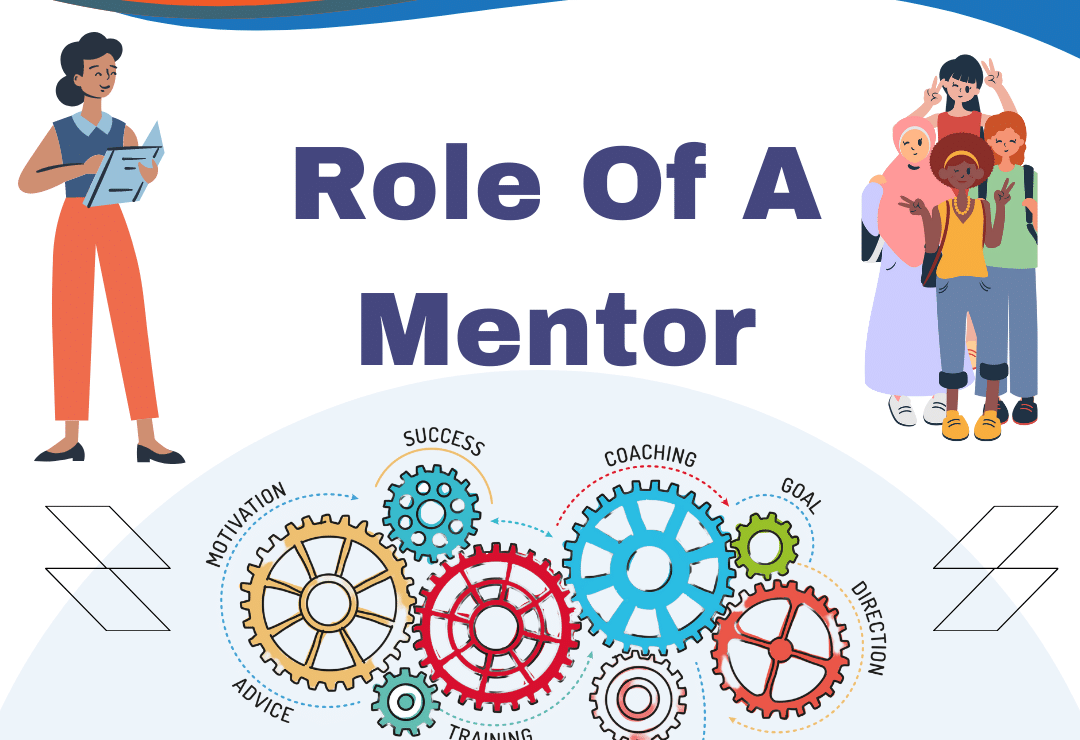
The Role of Mentorship in Achieving Success

ursustel.net – Success is a multifaceted concept that can mean different things to different people. However, one common thread that often runs through the stories of successful individuals is the presence of a mentor. Mentorship is a powerful tool that can guide, inspire, and propel individuals towards achieving their goals. This article explores the various ways in which mentorship plays a crucial role in the journey to success.

The Power of Knowledge and Experience

One of the primary benefits of having a mentor is the access to their wealth of knowledge and experience. Mentors have typically walked the path that their mentees are embarking on and can offer invaluable insights into potential pitfalls and strategies for overcoming them. This transfer of wisdom can significantly shorten the learning curve for mentees, allowing them to make informed decisions and avoid common mistakes.

Guidance and Direction

Success often requires navigating through a maze of choices and challenges. A mentor can provide guidance and direction, helping mentees to set realistic goals and develop a roadmap to achieve them. This personalized advice can be particularly beneficial in complex or unfamiliar situations, where the mentor’s expertise can offer clarity and confidence.

Motivation and Support

The journey to success is rarely a smooth one, and setbacks are inevitable. Mentors play a crucial role in providing motivation and support during these challenging times. They can offer encouragement, help to maintain perspective, and provide the emotional support needed to persevere and bounce back from failures.

Expanding Networks and Opportunities

Mentors often have extensive professional networks that can be leveraged to open doors for mentees. Introductions to key individuals, recommendations for opportunities, and invitations to industry events can all contribute to the mentee’s growth and visibility. This expansion of networks can lead to collaborations, mentorship opportunities, and career advancements that might otherwise have been inaccessible.

Personal and Professional Development

Mentorship is not just about career progression; it also plays a significant role in personal development. Mentors can act as role models, demonstrating professionalism, ethics, and leadership qualities. They can also provide feedback on mentees’ performance, helping them to identify areas for improvement and work on their personal brand.

Conclusion

The role of mentorship in achieving success cannot be overstated. Mentors provide knowledge, guidance, motivation, and opportunities that can significantly enhance a mentee’s journey. By fostering a supportive and educational relationship, mentorship can empower individuals to reach their full potential and achieve their definition of success. Whether you are just starting out in your career or looking to take the next step, finding a mentor who aligns with your goals and values can be a game-changer.

Evaluating the Effectiveness of Charitable Programs

ursustel.net – In the realm of philanthropy and nonprofit organizations, the measurement of success is a critical yet often complex endeavor. Charitable programs, designed to address a myriad of social, environmental, and economic issues, require robust evaluation frameworks to ensure their effectiveness and impact. This article delves into the importance of measuring success in charitable programs, explores various methods of evaluation, and discusses the challenges and best practices in assessing the outcomes of these initiatives.

The Importance of Measuring Success

Charitable programs are established with the noble intention of making a positive difference in the world. However, without clear metrics and evaluation strategies, it is challenging to determine whether these programs are achieving their intended goals. Measuring success is not only about accountability to donors and stakeholders but also about learning and improving. By understanding what works and what doesn’t, organizations can refine their strategies, optimize resource allocation, and ultimately, enhance their impact.

Methods of Evaluating Charitable Programs

1. Outcome Measurement

Outcome measurement focuses on the specific changes or benefits resulting from a program. This could involve tracking changes in behavior, knowledge, skills, or conditions among the target population. For example, an education program might measure success by the increase in literacy rates among participants.

2. Impact Evaluation

Impact evaluation goes a step further to assess the longer-term effects of a program. It seeks to understand the causal relationship between the program and the observed outcomes, often using control groups or comparison populations to isolate the program’s effects.

3. Process Evaluation

Process evaluation examines how a program is implemented. It looks at the delivery of services, the reach of the program, and the fidelity to the intended model. This type of evaluation is crucial for understanding why certain outcomes are achieved and can inform future program design and implementation.

4. Economic Evaluation

Economic evaluation assesses the cost-effectiveness of a program. It compares the costs of the program to the benefits it provides, often expressed in monetary terms. This approach helps in prioritizing investments and ensuring that resources are used efficiently.

Challenges in Measuring Success

Measuring the success of charitable programs is fraught with challenges. These include the difficulty in isolating the impact of a program from other external factors, the long-term nature of some outcomes, and the intangible benefits that may not be easily quantifiable. Additionally, there is the challenge of balancing the need for rigorous evaluation with the practical realities of limited resources and capacity within nonprofit organizations.

Best Practices for Evaluating Charitable Programs

To effectively measure success, organizations should adopt a few best practices:

  • Set Clear, Measurable Goals: Define specific, measurable, achievable, relevant, and time-bound (SMART) objectives from the outset.
  • Use Mixed Methods: Combine quantitative and qualitative data to gain a comprehensive understanding of program outcomes and the experiences of beneficiaries.
  • Engage Stakeholders: Involve stakeholders, including beneficiaries, in the evaluation process to ensure that the measures of success are relevant and meaningful.
  • Learn and Adapt: Use evaluation findings to inform continuous improvement and adapt programs based on what is working and what is not.
  • Communicate Results: Share evaluation findings transparently with donors, partners, and the public to build trust and accountability.

Conclusion

Measuring the success of charitable programs is essential for ensuring that resources are used effectively and that the intended benefits are achieved. By adopting a strategic approach to evaluation, nonprofit organizations can demonstrate their impact, learn from their experiences, and continuously improve their programs. Ultimately, this commitment to measuring success not only strengthens individual organizations but also enhances the broader field of philanthropy, ensuring that collective efforts are as impactful as possible.

The World’s Most Extravagant Luxuries: The Apex of Opulence

ursustel.net – In a world where luxury knows no bounds, the pinnacle of extravagance is not just about owning the best but about experiencing the unimaginable. From diamond-encrusted gadgets to private islands and beyond, the world’s most extravagant luxuries cater to an elite few who seek to indulge in the extraordinary. These are not mere possessions but statements of ultimate opulence, reserved for those who can afford to turn fantasies into realities.

The Height of Automotive Luxury

The automotive industry is a playground for the ultra-wealthy, where cars are not just modes of transportation but rolling pieces of art. The Bugatti La Voiture Noire, priced at a staggering $18.7 million, is a prime example. This handcrafted masterpiece is not just a car; it’s a declaration of exclusivity, with only one unit ever produced. Similarly, the Rolls-Royce Sweptail, commissioned at $12.8 million, is tailored to the whims of its owner, featuring a bespoke design and an interior that redefines luxury.

The Ultimate in Private Aviation

When the journey itself becomes the destination, private jets are not just about convenience but about an unparalleled experience. The Airbus A380, the world’s largest passenger airliner, has been customized for private use, offering an aerial palace with bedrooms, spas, and even a concert hall. With a price tag of around $500 million, it’s a sky-high testament to luxury.

Exclusive Retreats and Private Islands

For those seeking solitude and exclusivity, private islands offer the ultimate getaway. The Musha Cay at Copperfield Bay in the Bahamas, owned by magician David Copperfield, is available for exclusive rental at $38,000 per night. It’s a playground of white sandy beaches, crystal-clear waters, and bespoke experiences for guests and their entourage.

Jewelry: The Timeless Symbol of Opulence

Jewelry has always been a symbol of wealth and status, but some pieces transcend mere adornment. The Pink Star diamond, sold for $71.2 million, is the most expensive gem ever auctioned. Its 59.60-carat size and flawless pink hue make it a priceless addition to any collection. Similarly, the Graff Diamonds Hallucination necklace, valued at $400 million, features an array of colored diamonds that defy imagination.

Bespoke Experiences: Money Can Buy Happiness

For those who have everything, bespoke experiences offer a new frontier of luxury. From private concerts with global superstars to exclusive access to historical sites after hours, the sky’s the limit. Space tourism is the newest horizon, with companies like Virgin Galactic and Blue Origin offering tickets to the edge of space for a few million dollars.

Conclusion

The world’s most extravagant luxuries are not just about the objects themselves but about the experiences they offer and the statement they make. They cater to an elite group of individuals for whom the sky is not the limit but merely the beginning. These luxuries are a testament to human creativity and craftsmanship, pushing the boundaries of what is possible. For those who can afford it, the apex of opulence is not just a dream but a reality.

Experimenting with New Technologies: The Factory as a Laboratory

ursustel.net – In the ever-evolving landscape of industrial production, the factory is no longer just a site of mass production; it has become a laboratory for innovation and experimentation. With the advent of new technologies, manufacturers are increasingly viewing their factories as testbeds for cutting-edge solutions that can enhance efficiency, sustainability, and competitiveness. This article explores the transformative role of new technologies in the factory setting, highlighting how experimentation is driving the Fourth Industrial Revolution, or Industry 4.0.

The Evolution of the Factory:
Historically, factories were designed for one purpose: to produce goods at scale. The Industrial Revolution brought about the assembly line, and since then, factories have been synonymous with mass production. However, the digital age has introduced a new paradigm where factories are not only about quantity but also about quality, customization, and innovation. The integration of advanced technologies is reshaping the factory floor, turning it into a dynamic environment where new ideas are constantly being tested and refined.

Key Technologies Transforming Factories:
Several technologies are at the forefront of this transformation, including:

  1. Internet of Things (IoT): IoT devices are revolutionizing the factory by enabling real-time data collection and analysis. Sensors and smart devices embedded in machinery provide insights into performance, maintenance needs, and potential inefficiencies, allowing for predictive maintenance and optimized operations.
  2. Artificial Intelligence (AI) and Machine Learning: AI and machine learning algorithms are being used to analyze vast amounts of data generated within the factory, leading to smarter decision-making. From quality control to supply chain management, AI is enhancing precision and reducing human error.
  3. Robotics and Automation: Robotics and automation are not new to factories, but advancements in these fields are introducing more sophisticated and collaborative robots (cobots) that work alongside humans. These robots can perform complex tasks, increasing productivity and safety.
  4. Augmented Reality (AR) and Virtual Reality (VR): AR and VR are changing the way workers interact with machinery and each other. These technologies offer immersive training experiences, remote assistance, and visualization tools that improve process understanding and problem-solving.
  5. Additive Manufacturing: Also known as 3D printing, additive manufacturing is allowing for the production of complex parts and prototypes with greater speed and flexibility. This technology is enabling factories to experiment with new designs and materials, leading to innovative products and reduced waste.

The Role of Experimentation:
Experimentation is crucial in the adoption of these technologies. It allows manufacturers to test new processes, workflows, and systems without disrupting their core operations. By creating dedicated spaces within the factory, such as innovation hubs or pilot lines, companies can safely explore the potential of new technologies and assess their impact on production.

Challenges and Considerations:
While the benefits of experimenting with new technologies are clear, there are challenges to consider. These include the need for a skilled workforce capable of managing and maintaining advanced systems, the security risks associated with increased connectivity, and the significant upfront investment required for technology integration.

Conclusion:
The factory as a laboratory is a powerful concept that encapsulates the spirit of Industry 4.0. By embracing experimentation and leveraging new technologies, manufacturers can unlock unprecedented levels of efficiency, customization, and innovation. As the industrial landscape continues to evolve, those who view their factories as testbeds for the future will be well-positioned to lead the next wave of industrial transformation.

The Comfort of Companionship: Side by Side

In a world that often feels vast and isolating, the simple act of being side by side with someone can offer a profound sense of comfort and belonging. Companionship, in its most basic form, is about sharing space and time with another being, and it has the power to soothe the soul, ease loneliness, and enhance our overall well-being. This article explores the multifaceted nature of companionship and why having someone by our side can be so comforting.

The Human Need for Connection

Humans are inherently social creatures, wired for connection and interaction. From the earliest days of civilization, people have gathered in communities, seeking the support and companionship of others. This need for connection is deeply rooted in our biology, as social bonds have been crucial for survival, offering protection, resources, and a sense of belonging.

The Comfort in Companionship

Companionship provides a unique form of comfort that is both tangible and intangible. It can manifest in the warmth of a friend’s hug, the shared laughter over a meal, or the silent understanding that passes between two people who have experienced something similar. This comfort is not just emotional but can also have physical benefits, such as reducing stress and improving overall health.

The Power of Non-Verbal Communication

One of the most comforting aspects of companionship is the ability to communicate without words. A gentle touch, a reassuring look, or simply sitting in silence can convey a sense of support and understanding that words cannot. This non-verbal communication is a powerful aspect of companionship, offering solace and strength in times of need.

Companionship in Challenging Times

During difficult periods, such as illness, loss, or personal crises, the presence of a companion can make a significant difference. Knowing that someone is there, willing to listen, share the burden, or simply sit in silence, can provide a sense of hope and resilience. Companionship in these times is not just about offering solutions but about being present and sharing the weight of the experience.

The Diversity of Companionship

Companionship can take many forms, from the deep bonds of family and lifelong friends to the comforting presence of pets. Each type of companionship offers its own unique comfort and support. For some, the companionship of a pet can be particularly soothing, offering unconditional love and a sense of purpose.

Cultivating Companionship

In a busy and often disconnected world, cultivating companionship requires effort and intention. It means reaching out, being present, and showing up for others, even when it’s inconvenient. It also means being open to receiving companionship, allowing others to support and comfort us in times of need.

The comfort of companionship is a universal need, offering solace, support, and a sense of belonging. Whether it’s the shared laughter with friends, the silent understanding between loved ones, or the comforting presence of a pet, companionship has the power to enrich our lives and ease our burdens. In a world that can sometimes feel overwhelming, the simple act of being side by side with someone can make all the difference.