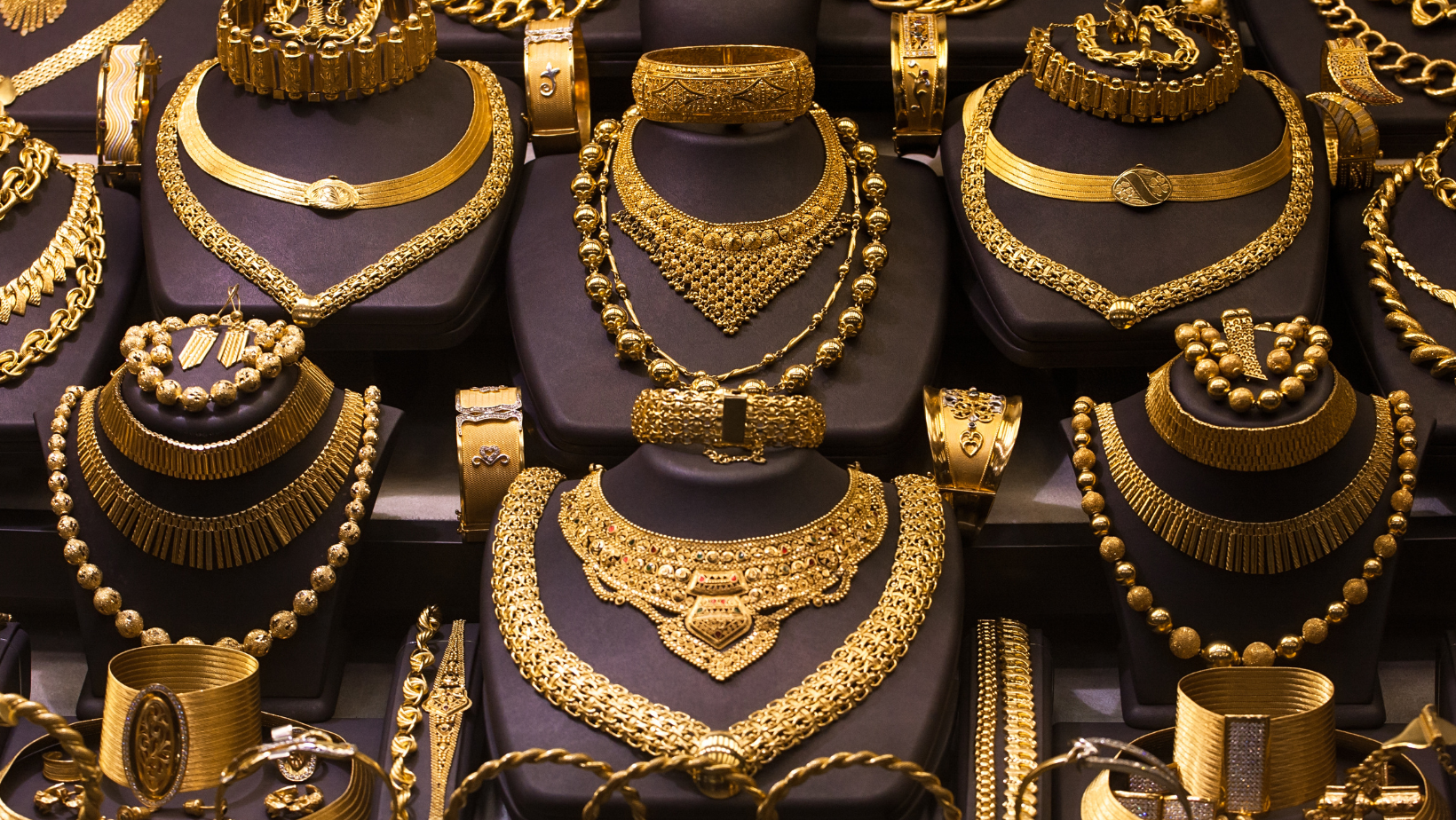
ursustel.net – The history of jewelry is as old as human civilization itself. The earliest forms of adornment were likely made from natural materials such as shells, bones, and stones. These primitive pieces were not only aesthetic expressions but also served as symbols of status, wealth, and even magical protection. Ancient civilizations like the Egyptians, Mesopotamians, and Indus Valley peoples crafted intricate jewelry from gold, silver, and precious stones, often incorporating religious and cultural motifs.
The Classical Era: Greeks and Romans
The Greeks and Romans elevated jewelry-making to an art form, with the Greeks favoring delicate gold work and the Romans embracing a more ostentatious style. The Romans were particularly known for their use of cameos and intaglios, carved gemstones that were used for personal adornment as well as for seals and signet rings.
The Middle Ages: Symbolism and Function
During the Middle Ages, jewelry took on a more symbolic role, often representing religious devotion or social status. The Crusades introduced new materials and techniques to Europe, and the wealthy wore jewelry as a display of wealth and power. The Church also played a significant role in the design and use of jewelry, with many pieces incorporating Christian motifs.
The Renaissance: A Rebirth of Elegance
The Renaissance brought about a revival of classical motifs and a renewed interest in beauty and elegance. Goldsmiths and jewelers of this era created masterpieces that were both wearable and works of art, often incorporating enameling and intricate metalwork. The portrait miniature, a small, detailed painting set into a piece of jewelry, became a popular form of personal remembrance.
The Baroque and Rococo: Extravagance and Opulence
The Baroque and Rococo periods were characterized by their extravagance and opulence. Jewelry from these eras featured elaborate designs, with a focus on curves, asymmetry, and the use of precious stones and metals. The rise of the diamond as a symbol of wealth and status began during this time, thanks in part to advancements in cutting techniques that allowed the stones to capture and reflect light more brilliantly.
The Industrial Revolution: Mass Production and New Materials
The Industrial Revolution transformed the jewelry industry by introducing mass production techniques. This made jewelry more accessible to the middle class and led to the development of new materials such as costume jewelry, which mimicked the look of precious metals and stones at a fraction of the cost.
The 20th Century: Modernism and Beyond
The 20th century saw a radical departure from traditional jewelry design with the advent of Art Nouveau, Art Deco, and later, modernist movements. These styles embraced new materials, techniques, and a more abstract approach to design. The latter half of the century also saw the rise of celebrity jewelry designers and the influence of pop culture on jewelry trends.
Contemporary Jewelry: Innovation and Individuality
Today, jewelry continues to evolve, with contemporary designers pushing the boundaries of traditional techniques and materials. Sustainability has become a significant concern, leading to the use of recycled materials and ethically sourced gemstones. Personalization and individuality are also key trends, with many consumers seeking unique pieces that tell a story or reflect their personal style.
Conclusion
Throughout history, jewelry has been more than just an adornment; it has been a reflection of the cultural, social, and technological developments of each era. From the simple beads of prehistoric peoples to the high-tech creations of today’s designers, jewelry remains a powerful form of self-expression and a timeless symbol of beauty and value.