
Historical Tales of Royal Women: Princesses of the Past

ursustel.net – Throughout history, the lives of princesses have been shrouded in mystery, grandeur, and sometimes, tragedy. These royal women, born into privilege and duty, have left indelible marks on the world, influencing politics, culture, and society. Their stories, often overshadowed by those of their male counterparts, are tales of resilience, power, and grace. Let’s delve into the lives of some of these remarkable women, whose legacies continue to inspire.

Cleopatra VII of Egypt

14 Fascinating Facts About Cleopatra, The Last Queen Of Egypt

Perhaps one of the most famous princesses in history, Cleopatra VII was not just a queen but also a symbol of intelligence and political acumen. Born into the Ptolemaic dynasty, she inherited a kingdom that was on the brink of collapse. Through her strategic alliances with Roman leaders Julius Caesar and Mark Antony, Cleopatra managed to preserve Egypt’s sovereignty for a time. Her story, though often romanticized, is a testament to her diplomatic prowess and determination.

Princess Pingyang of China

10 REAL PRINCESSES Too Badass For A DISNEY MOVIE - YouTube


In the 7th century, Princess Pingyang of China defied the traditional roles of royal women by leading a rebel army against the Sui dynasty. Her military genius and leadership were instrumental in establishing the Tang dynasty, one of China’s most prosperous periods. Pingyang’s achievements were remarkable, considering the era’s strict gender roles. She was later honored with the title “Lady of the City Wall” for her contributions.

Princess Elisabeth of Bohemia

The Splintered Mind: Elisabeth of Bohemia 1, Descartes 0

Princess Elisabeth of Bohemia, born in the 17th century, was a woman ahead of her time. Despite the limited opportunities for women in education, she became a philosopher and a correspondent of René Descartes. Her intellectual curiosity and philosophical insights challenged the prevailing views on the mind-body problem, leaving a lasting impact on the field of philosophy.

Princess Noor of Jordan

Pin page

In more recent history, Princess Noor of Jordan, born Lisa Halaby, has been a beacon of modernity and progress. As the fourth wife of King Hussein of Jordan, she has been involved in numerous humanitarian and educational projects. Her work in promoting peace, education, and cross-cultural understanding has made her a respected figure on the global stage.

Princess Diana of Wales
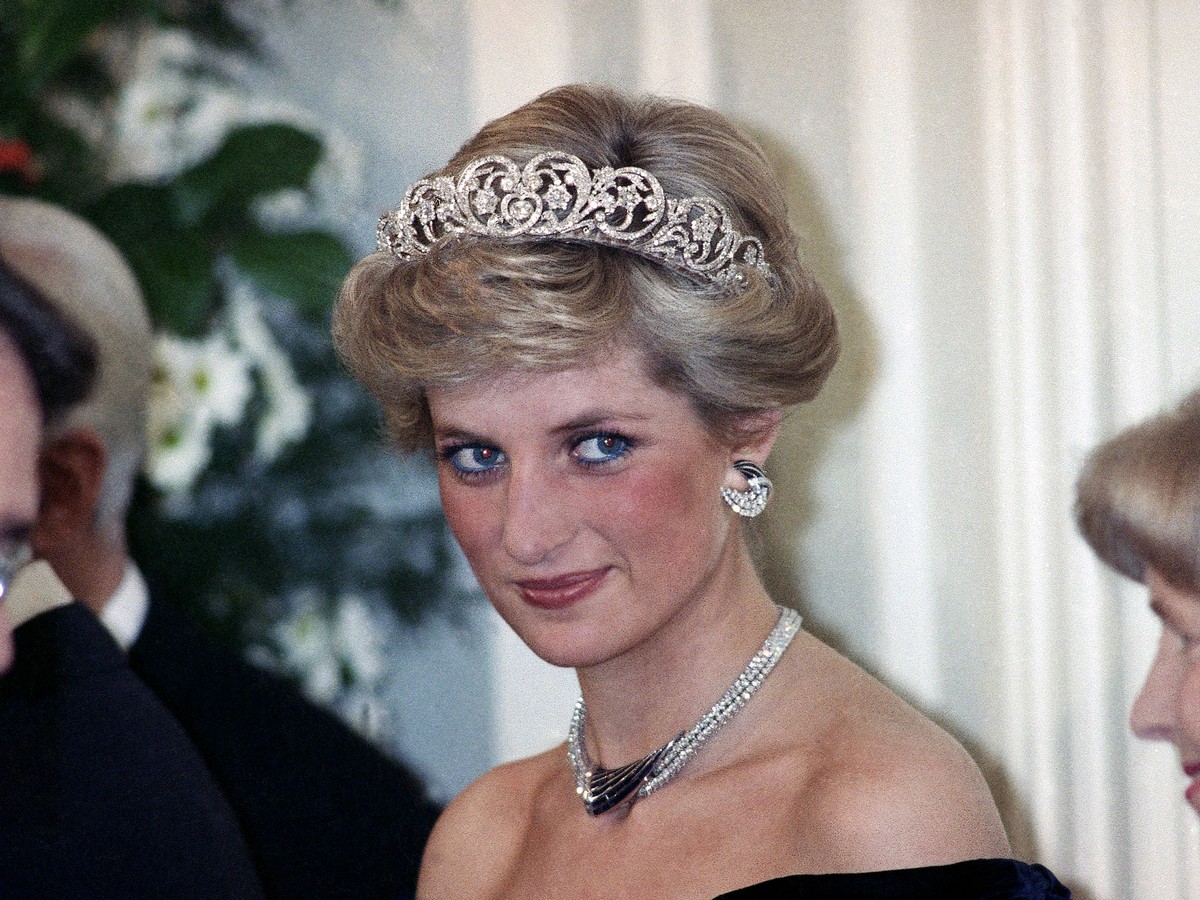
Princess Diana, 20 Years Later - The Atlantic


Princess Diana, perhaps one of the most beloved princesses of the 20th century, broke the mold of traditional royal duties. Her compassionate nature and commitment to humanitarian causes, particularly those focused on landmines and HIV/AIDS, endeared her to the public. Diana’s legacy is a reminder of the power of empathy and the impact one person can have on the world.

Conclusion

The lives of these princesses, among many others, remind us of the diverse ways in which women have shaped history. From the battlefield to the boardroom, from the realms of philosophy to the front lines of humanitarian efforts, these royal women have left legacies that continue to inspire. Their stories are not just tales of the past but lessons for the future, teaching us about resilience, leadership, and the enduring power of the human spirit.
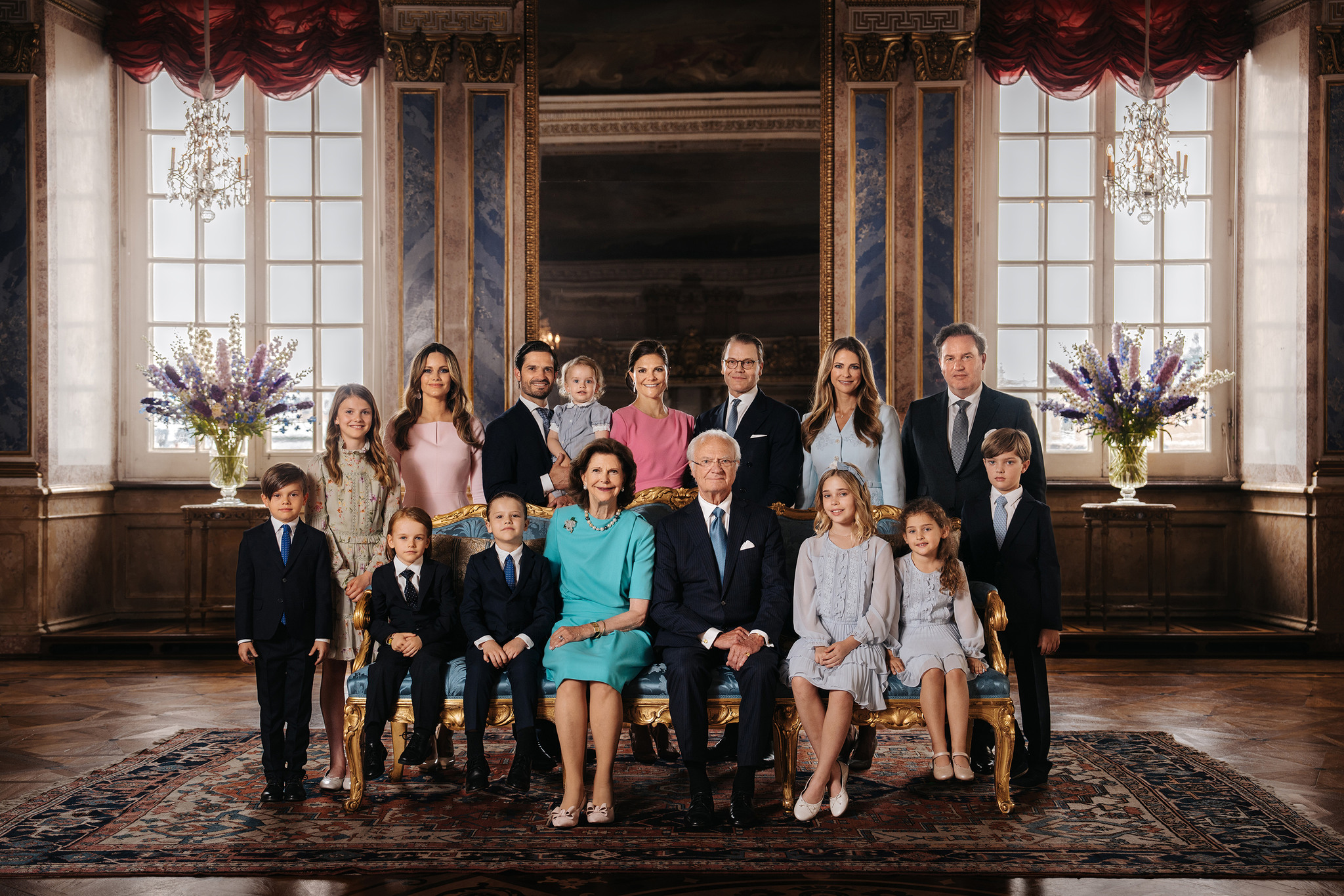
The Revival of the Swedish Monarchy: Royal Renaissance

In the heart of Scandinavia, a quiet revolution has been taking place, one that has seen the Swedish monarchy not only survive but thrive in an era where the relevance of royalty is often questioned. This phenomenon, dubbed the “Royal Renaissance,” is a testament to the adaptability and modernization of the Swedish royal family, who have managed to reinvent themselves and remain a cherished institution within the Swedish nation.

The Swedish monarchy, with its roots stretching back over a millennium, has faced its share of challenges. The 20th century, with its rapid social and political changes, saw many European monarchies crumble. Yet, the Swedish royal family has not only endured but has also managed to strengthen its bond with the Swedish people. This revival is a complex tapestry woven from threads of tradition, modernity, and a deep understanding of the changing societal landscape.

At the heart of the Royal Renaissance is the Swedish royal family’s ability to adapt to the times. They have embraced modernity without forsaking tradition, finding a delicate balance that resonates with the Swedish populace. Social media, for example, has been a powerful tool in this transformation. The royal family’s active presence on platforms like Instagram and Twitter has made them more accessible and relatable to the younger generation. Through these channels, they share insights into their daily lives, official duties, and personal interests, breaking down the barriers that once separated royalty from the common folk.

Another key aspect of the revival has been the royal family’s engagement in social and environmental issues. Crown Princess Victoria, in particular, has been a vocal advocate for sustainability and gender equality. Her work has not only raised awareness about these critical issues but has also endeared her to the public, showcasing the royal family’s commitment to serving the nation in meaningful ways beyond ceremonial duties.

The Swedish monarchy’s approach to inclusivity and diversity has also played a significant role in its revival. The marriage of Prince Carl Philip to Sofia Hellqvist, a commoner with a controversial past, and the marriage of Princess Madeleine to Chris O’Neill, a British-American financier, have been embraced by the Swedish people. These unions have not only modernized the image of the royal family but have also made it more reflective of the diverse and inclusive society Sweden strives to be.

Moreover, the royal family’s support for the arts, culture, and sports has helped to foster a sense of national pride and unity. Their patronage of various organizations and their participation in national celebrations and events underscore their role as custodians of Swedish heritage and promoters of national identity.

The Royal Renaissance is not just about the survival of an ancient institution; it’s about its evolution. The Swedish monarchy has shown that by staying connected to the people, embracing change, and serving as a force for good, it can remain relevant and cherished in the 21st century. As Sweden continues to navigate the complexities of the modern world, the royal family’s ability to adapt and inspire offers a beacon of hope and continuity, ensuring that the monarchy will continue to play a vital role in the life of the nation for generations to come.

In conclusion, the revival of the Swedish monarchy is a story of resilience, adaptation, and renewal. It serves as a model for other monarchies around the world, demonstrating that with the right approach, these ancient institutions can not only survive but thrive in the modern age. The Royal Renaissance in Sweden is a testament to the enduring power of tradition, the importance of embracing change, and the deep connection between a royal family and its people.