Minipom dan Keluarga: Mengapa Mereka Menjadi Pilihan Tepat untuk Rumah Anda

Miniature Pomeranian, atau Minipom, adalah pilihan yang tepat untuk keluarga yang mencari sahabat kecil dengan kepribadian besar. Berikut adalah beberapa alasan mengapa Minipom dapat menjadi tambahan yang sempurna untuk rumah Anda.

Pertama, Minipom memiliki ukuran yang ideal untuk berbagai jenis rumah, termasuk apartemen. Ukuran mungil mereka memungkinkan mereka medusa88 beradaptasi dengan baik di ruang yang lebih kecil, tanpa memerlukan halaman luas untuk bermain.

Kedua, Minipom dikenal karena kepribadian mereka yang ceria dan menyenangkan. Mereka memiliki energi yang melimpah dan suka bermain, membuat mereka menjadi teman yang hebat bagi anak-anak. Meski begitu, pengawasan diperlukan saat mereka bermain dengan anak kecil untuk memastikan keamanan kedua belah pihak.

Ketiga, Minipom adalah anjing yang cerdas dan mudah dilatih. Mereka cepat mempelajari perintah dan trik baru, yang membuat pelatihan menjadi pengalaman yang menyenangkan bagi seluruh keluarga. Kemampuan belajar mereka juga memfasilitasi sosialisasi yang baik dengan orang dan hewan lain.

Keempat, Minipom memiliki sifat sosial dan setia. Mereka suka berada di sekitar orang-orang dan menikmati perhatian dari anggota keluarga. Kasih sayang yang mereka tunjukkan membuat mereka menjadi hewan peliharaan yang dicintai oleh semua orang di rumah.

Kelima, Minipom memiliki insting pelindung meski ukurannya kecil. Mereka waspada terhadap lingkungan mereka dan tidak ragu untuk memperingatkan keluarga jika ada hal yang mencurigakan, menjadikan mereka “penjaga” kecil yang waspada.

Terakhir, Minipom membutuhkan perawatan yang teratur, seperti penyikatan bulu dan pemeriksaan kesehatan, tetapi komitmen ini dapat menjadi aktivitas yang mempererat hubungan keluarga.

Dengan kepribadian yang menawan dan kemampuan beradaptasi yang baik, Minipom dapat menjadi sahabat setia yang membawa keceriaan dan cinta ke dalam rumah Anda. Kehadiran mereka akan melengkapi dinamika keluarga dengan cara yang positif dan menyenangkan.

Perceiving the World Differently: The Senses of Animals

ursustel.net – The natural world is a tapestry of diverse life forms, each uniquely adapted to its environment. Among the most fascinating aspects of this biodiversity is the array of sensory capabilities that animals possess. While humans rely on sight, hearing, taste, smell, and touch to navigate the world, many animals have evolved senses that far surpass or differ significantly from our own. This article explores the extraordinary sensory worlds of animals, revealing how they perceive their surroundings in ways that are often beyond human comprehension.

Vision Beyond the Visible

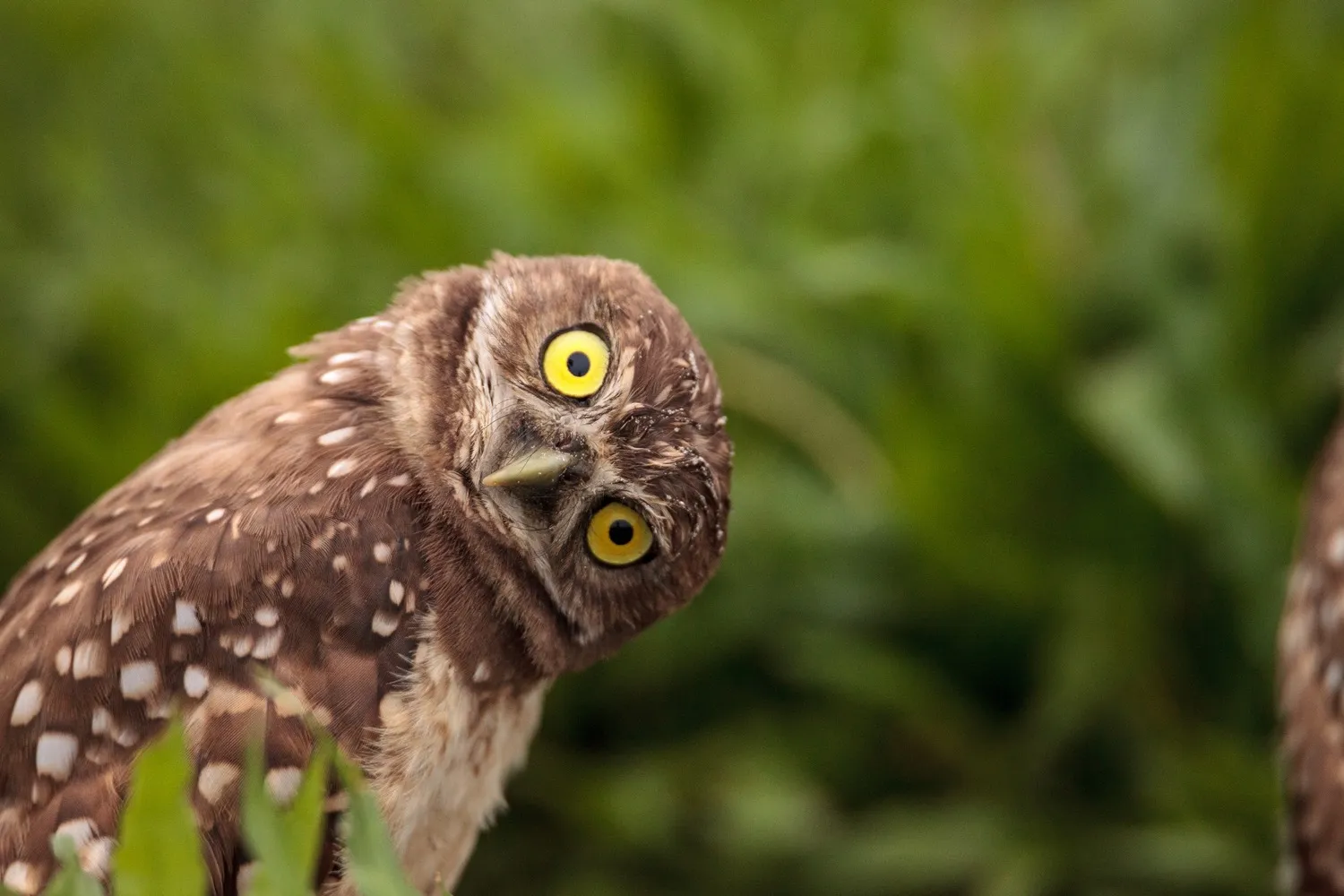
Many animals see the world through a different lens than humans. Birds of prey, like eagles, have acute vision that is up to eight times more powerful than human vision, allowing them to spot small prey from great heights. On the other end of the spectrum, nocturnal animals such as owls and cats have highly developed night vision, with eyes that can detect low levels of light, enabling them to hunt in near darkness.

Some species can see colors that humans cannot. Bees and butterflies, for example, can perceive ultraviolet light, which helps them locate nectar in flowers. This ability is crucial for pollination, a process essential for the reproduction of many plants.

Hearing the Inaudible

The auditory world of animals is equally diverse. Bats and dolphins use echolocation, a form of sonar, to navigate and hunt. They emit high-frequency sounds that bounce off objects and return as echoes, allowing them to “see” with sound. This ability is so precise that bats can detect the wing beats of an insect, while dolphins can discern the shape and size of objects underwater.

Elephants, on the other hand, communicate using infrasound, sounds that are below the frequency that humans can hear. These low-frequency rumbles can travel long distances, allowing elephants to stay in contact with each other over several kilometers.

Smelling the Unsmellable

The sense of smell is crucial for many animals, and some have an olfactory ability that far exceeds human capabilities. Dogs, for instance, have an incredible sense of smell that is up to 10,000 to 100,000 times more sensitive than that of humans. This keen sense of smell is used for hunting, tracking, and even detecting diseases in humans.

Bloodhounds are particularly famous for their tracking abilities, which are so precise that they can follow a trail that is days old. Bears also have an exceptional sense of smell, which they use to locate food buried under snow or hidden in the forest.

Tasting the Invisible

While humans have taste buds that detect sweet, sour, salty, bitter, and umami, some animals have evolved to taste things that are invisible to us. Sharks, for example, can detect tiny amounts of blood in the water, which helps them find prey from miles away. This sensitivity is due to their ampullae of Lorenzini, specialized organs that detect electrical impulses generated by the muscle contractions of other animals.

Feeling the Imperceptible

Touch is another sense that varies greatly among animals. Cats have whiskers that are highly sensitive to air movements, helping them navigate in the dark and detect the presence of other animals. Elephants use their trunks not only for grasping but also for sensing texture, temperature, and smell, making them incredibly versatile organs.

Conclusion

The sensory capabilities of animals are a testament to the incredible diversity of life on Earth. From the ultraviolet-seeing eyes of bees to the infrasound communication of elephants, each species has evolved unique senses that are perfectly suited to its environment. Understanding these sensory worlds not only enriches our appreciation of the natural world but also provides insights into the potential for sensory perception and adaptation. As we continue to explore the senses of animals, we are reminded of the vastness of the perceptual universe and the myriad ways in which life has adapted to the challenges of the natural world.

A Fascinating and Popular Pet: The Corn Snake

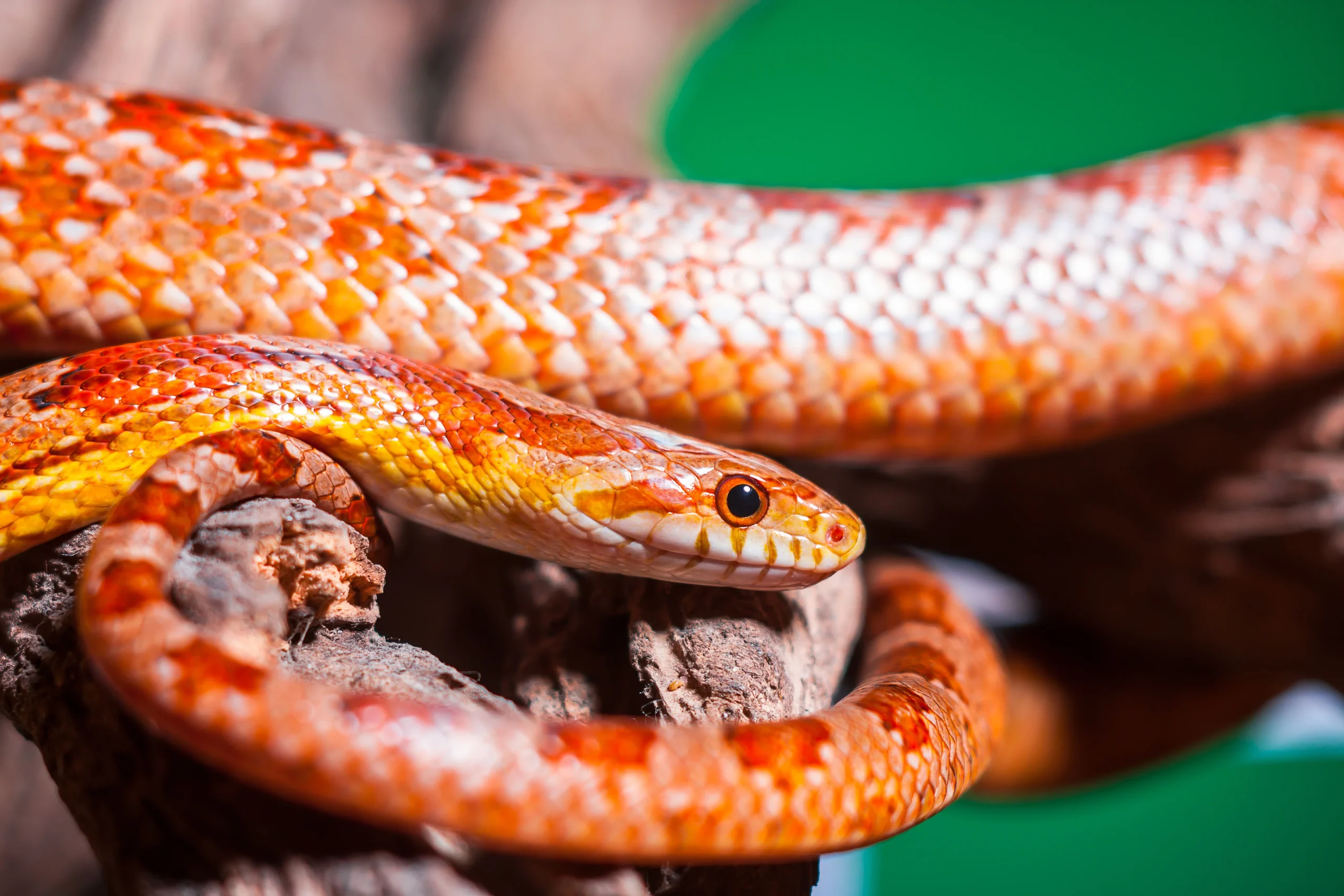
Corn snakes, scientifically known as Pantherophis guttatus, are one of the most popular snake species kept as pets. Originating from the southeastern United States, these reptiles have captured the hearts of reptile enthusiasts around the world due to their docile nature, attractive patterns, and relatively simple care requirements.

Origin and Distribution

Corn snakes are primarily found in the southeastern region of the United States, extending their range from the southern parts of New Jersey and Indiana down to Florida, and west to Texas and Louisiana. They inhabit a variety of environments, including forests, farmlands, and grasslands. Despite their name, corn snakes are not exclusively found near cornfields; they were likely named so because they were often encountered by early settlers around corn cribs, where rodents, their primary prey, were abundant.

Appearance and Size

One of the most striking features of corn snakes is their vibrant and diverse coloration. They typically have a pattern of reddish-brown or black splotches on a yellowish or orange background, which can vary significantly among individuals. This pattern serves as excellent camouflage in their natural habitat. Corn snakes can grow up to 4 to 6 feet in length, making them a manageable size for most reptile keepers.

Behavior and Diet

Corn snakes are non-venomous and are known for their docile and gentle nature, which makes them an ideal pet for beginners. They are primarily nocturnal, spending most of their day hidden and emerging at night to hunt. Their diet mainly consists of small rodents, such as mice. In captivity, corn snakes can be fed frozen-thawed mice to avoid the risk of injury from live prey.

Care and Maintenance

Caring for a corn snake involves providing a suitable habitat that mimics their natural environment. This includes a terrarium with a secure lid, a substrate such as aspen shavings or coconut fiber, and appropriate temperature and humidity levels. Corn snakes require a temperature gradient in their enclosure, with a warm side ranging from 80 to 85°F (27 to 29°C) and a cooler side around 75 to 80°F (24 to 27°C). Humidity should be maintained at around 40 to 50%. It’s also important to provide hiding spots and branches for climbing, as well as a water dish for drinking and soaking.

Breeding and Genetics

Corn snakes are popular among breeders for their variety of morphs, which are variations in color and pattern that result from selective breeding. Some of the most sought-after morphs include the Amelanistic (lacking black or brown pigment), the Hypomelanistic (lightened overall coloration), and the Albino (lacking pigment entirely, resulting in a pinkish or yellowish appearance). Breeding corn snakes can be a rewarding experience for experienced keepers, but it requires careful planning and consideration of genetic diversity to avoid health issues in offspring.

Conclusion

The corn snake’s combination of beauty, ease of care, and gentle demeanor makes it an excellent choice for both novice and experienced reptile enthusiasts. Whether you’re fascinated by their natural behaviors, intrigued by the variety of morphs available, or simply looking for a low-maintenance pet, a corn snake could be the perfect addition to your home. With proper care and attention, a corn snake can live for 15 to 20 years, providing a long-lasting and rewarding companionship.