
The Science of Extraterrestrial Life: Alien Worlds

ursustel.net – The quest for extraterrestrial life has long fascinated humanity, driving both science fiction and scientific inquiry. With advancements in technology and a deeper understanding of our universe, the search for alien worlds and their potential inhabitants has become a central focus of modern astronomy and astrobiology. This article explores the science behind the search for extraterrestrial life, the methods used to detect it, and the implications of such discoveries.

The Search for Habitable Exoplanets

One of the primary methods for finding potential alien life is the search for exoplanets, planets outside our solar system, that may harbor life. Astronomers use telescopes like the Kepler Space Telescope and the Transiting Exoplanet Survey Satellite (TESS) to detect exoplanets by observing their effects on their host stars, such as the transit method and the radial velocity method.

Life in Extreme Environments

Life on Earth has shown an incredible ability to adapt to extreme environments, from the depths of the ocean to volcanic hot springs. These extremophiles provide valuable insights into the conditions that might support life on other planets. Scientists study these organisms to understand the limits of life and to inform the search for extraterrestrial life in seemingly inhospitable environments.

The Role of Water

Water is considered essential for life as we know it, making the presence of liquid water a key indicator for habitability on other planets. Scientists search for signs of water on exoplanets, such as atmospheric water vapor or surface ice that could melt into liquid form. Mars and the icy moons of Jupiter and Saturn are prime targets for water-based life searches within our own solar system.

Biosignatures and Technosignatures

Astrobiologists look for biosignatures, signs of life such as the presence of certain gases in a planet’s atmosphere that could indicate biological processes. Technosignatures, on the other hand, are indications of advanced technological civilizations, such as radio transmissions or other forms of electromagnetic radiation. The search for these signatures involves listening for signals from intelligent life and analyzing the chemical composition of exoplanet atmospheres.

The Drake Equation and the Fermi Paradox

The Drake Equation, proposed by Frank Drake in 1961, estimates the number of active, communicative extraterrestrial civilizations in the Milky Way galaxy. The Fermi Paradox, named after physicist Enrico Fermi, questions why, if the universe is teeming with intelligent life, we have not yet found any definitive evidence of it. These concepts underscore the challenges and uncertainties in the search for extraterrestrial life.

Conclusion

The science of extraterrestrial life is a rapidly evolving field, with new discoveries and technologies continually reshaping our understanding of the cosmos. While the search for alien worlds and their inhabitants is fraught with unknowns, it remains one of the most compelling endeavors of human curiosity. As we continue to explore the vastness of space, the possibility of encountering extraterrestrial life remains an exciting and open question.
The New Generation’s Exploration of Digital Worlds: Virtual Reality

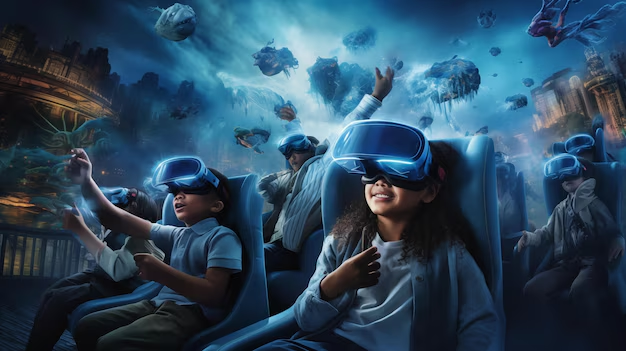
ursustel.net – In the digital age, the boundaries between the physical and virtual worlds are blurring. Virtual Reality (VR) technology has emerged as a groundbreaking innovation, offering users the chance to immerse themselves in digital environments that mimic reality. For the new generation, VR is not just a technological curiosity; it’s a gateway to new forms of entertainment, education, and social interaction. This article explores how VR is shaping the experiences and expectations of the new generation as they navigate and explore digital worlds.

The Dawn of Immersive Experiences

The Evolution of VR Technology

The concept of virtual reality has been around for decades, but recent advancements in technology have made it more accessible and sophisticated than ever before. High-resolution displays, advanced motion tracking, and more comfortable hardware designs have contributed to a surge in VR’s popularity.

From Gaming to Beyond

Initially, VR was synonymous with gaming, offering players the chance to step into their favorite virtual worlds. However, the technology has rapidly expanded into other domains, including education, healthcare, and even real estate, providing immersive experiences that were once unimaginable.

Education in the Digital Age

VR as a Learning Tool

For the new generation, VR is not just a medium for entertainment; it’s also a powerful educational tool. By offering immersive experiences, VR can make learning more engaging and interactive. Whether it’s exploring historical sites, conducting virtual dissections, or even traveling through the human body, VR opens up new avenues for educational exploration.

The Future of Classrooms

As VR technology continues to evolve, it has the potential to revolutionize the traditional classroom experience. Imagine a world where students can learn about different cultures by virtually visiting countries or understand complex scientific concepts by interacting with 3D models. The possibilities are endless, and the new generation is at the forefront of this educational revolution.

Social Interaction in Virtual Spaces

The Rise of Virtual Social Platforms

Social media has long been a staple for the new generation, but VR is taking social interaction to the next level. Virtual social platforms allow users to create avatars and interact with others in immersive environments. From attending virtual concerts to exploring digital art galleries, VR offers new ways to connect and socialize.

Building Communities in Virtual Worlds

VR is not just about individual experiences; it’s also about building communities. Users can collaborate on projects, attend virtual events, and even work together in shared virtual spaces. This sense of community and collaboration is a hallmark of the new generation’s approach to virtual reality.

Ethical Considerations and Challenges

Balancing Virtual and Real-World Experiences

As the new generation becomes more engrossed in virtual worlds, there is a growing need to balance these experiences with real-world interactions. Educators and parents must navigate the fine line between leveraging VR for educational and social benefits and ensuring that it does not overshadow real-life experiences.

Privacy and Security in VR

With the rise of VR, concerns about privacy and security have also emerged. As users share more personal information and spend more time in virtual spaces, there is a greater risk of data breaches and privacy violations. It is crucial for developers and users alike to prioritize security measures to protect against these threats.

Conclusion

Virtual reality is more than just a technological novelty; it’s a transformative tool that is reshaping the way the new generation learns, socializes, and experiences the world. As VR technology continues to evolve, it will undoubtedly play an even more significant role in the lives of young people, offering endless possibilities for exploration and innovation. The new generation stands on the brink of a digital frontier, ready to explore the vast and immersive worlds that virtual reality has to offer.

Perceiving the World Differently: The Senses of Animals

ursustel.net – The natural world is a tapestry of diverse life forms, each uniquely adapted to its environment. Among the most fascinating aspects of this biodiversity is the array of sensory capabilities that animals possess. While humans rely on sight, hearing, taste, smell, and touch to navigate the world, many animals have evolved senses that far surpass or differ significantly from our own. This article explores the extraordinary sensory worlds of animals, revealing how they perceive their surroundings in ways that are often beyond human comprehension.

Vision Beyond the Visible

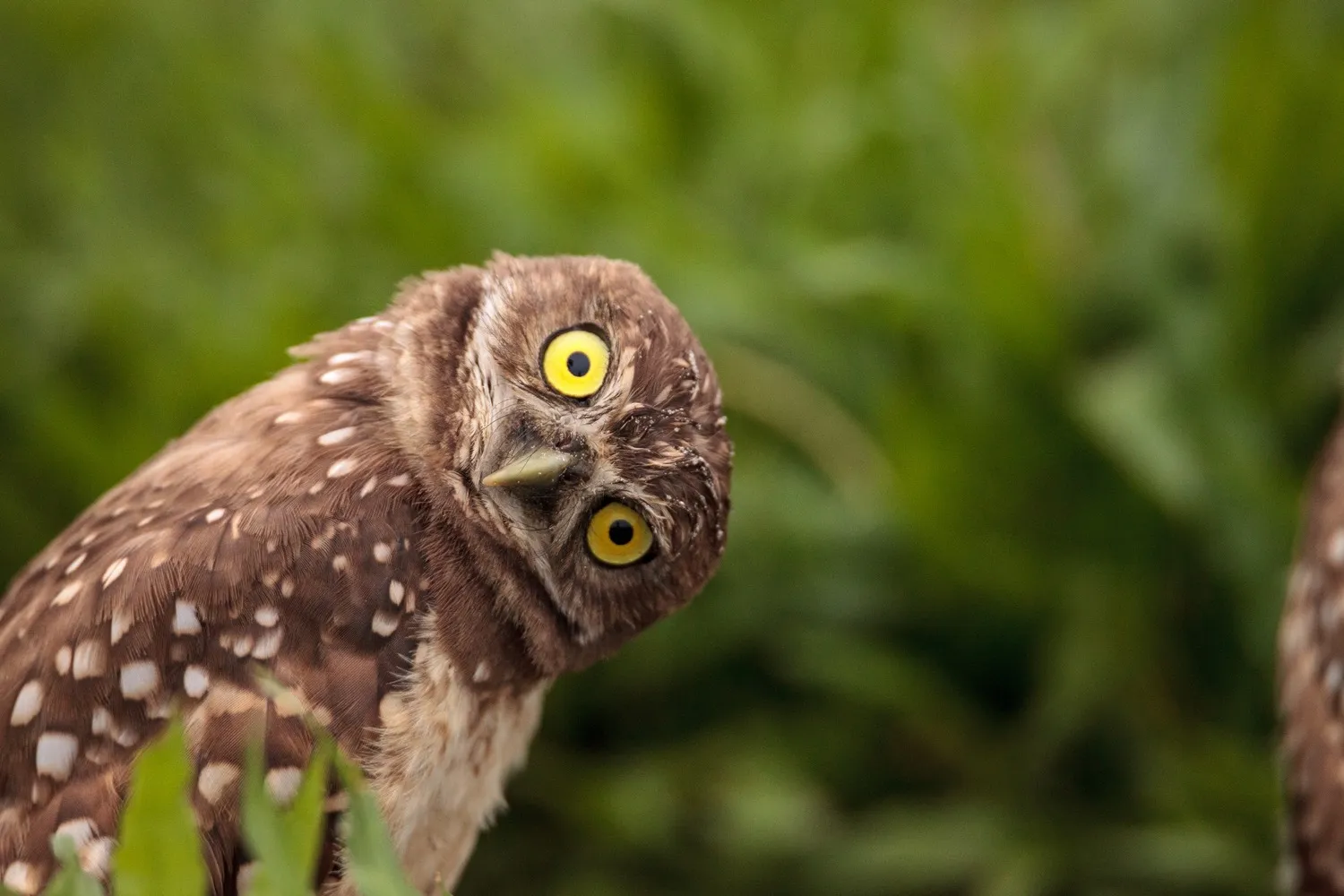
Many animals see the world through a different lens than humans. Birds of prey, like eagles, have acute vision that is up to eight times more powerful than human vision, allowing them to spot small prey from great heights. On the other end of the spectrum, nocturnal animals such as owls and cats have highly developed night vision, with eyes that can detect low levels of light, enabling them to hunt in near darkness.

Some species can see colors that humans cannot. Bees and butterflies, for example, can perceive ultraviolet light, which helps them locate nectar in flowers. This ability is crucial for pollination, a process essential for the reproduction of many plants.

Hearing the Inaudible

The auditory world of animals is equally diverse. Bats and dolphins use echolocation, a form of sonar, to navigate and hunt. They emit high-frequency sounds that bounce off objects and return as echoes, allowing them to “see” with sound. This ability is so precise that bats can detect the wing beats of an insect, while dolphins can discern the shape and size of objects underwater.

Elephants, on the other hand, communicate using infrasound, sounds that are below the frequency that humans can hear. These low-frequency rumbles can travel long distances, allowing elephants to stay in contact with each other over several kilometers.

Smelling the Unsmellable

The sense of smell is crucial for many animals, and some have an olfactory ability that far exceeds human capabilities. Dogs, for instance, have an incredible sense of smell that is up to 10,000 to 100,000 times more sensitive than that of humans. This keen sense of smell is used for hunting, tracking, and even detecting diseases in humans.

Bloodhounds are particularly famous for their tracking abilities, which are so precise that they can follow a trail that is days old. Bears also have an exceptional sense of smell, which they use to locate food buried under snow or hidden in the forest.

Tasting the Invisible

While humans have taste buds that detect sweet, sour, salty, bitter, and umami, some animals have evolved to taste things that are invisible to us. Sharks, for example, can detect tiny amounts of blood in the water, which helps them find prey from miles away. This sensitivity is due to their ampullae of Lorenzini, specialized organs that detect electrical impulses generated by the muscle contractions of other animals.

Feeling the Imperceptible

Touch is another sense that varies greatly among animals. Cats have whiskers that are highly sensitive to air movements, helping them navigate in the dark and detect the presence of other animals. Elephants use their trunks not only for grasping but also for sensing texture, temperature, and smell, making them incredibly versatile organs.

Conclusion

The sensory capabilities of animals are a testament to the incredible diversity of life on Earth. From the ultraviolet-seeing eyes of bees to the infrasound communication of elephants, each species has evolved unique senses that are perfectly suited to its environment. Understanding these sensory worlds not only enriches our appreciation of the natural world but also provides insights into the potential for sensory perception and adaptation. As we continue to explore the senses of animals, we are reminded of the vastness of the perceptual universe and the myriad ways in which life has adapted to the challenges of the natural world.

The World’s Most Extravagant Luxuries: The Apex of Opulence

ursustel.net – In a world where luxury knows no bounds, the pinnacle of extravagance is not just about owning the best but about experiencing the unimaginable. From diamond-encrusted gadgets to private islands and beyond, the world’s most extravagant luxuries cater to an elite few who seek to indulge in the extraordinary. These are not mere possessions but statements of ultimate opulence, reserved for those who can afford to turn fantasies into realities.

The Height of Automotive Luxury

The automotive industry is a playground for the ultra-wealthy, where cars are not just modes of transportation but rolling pieces of art. The Bugatti La Voiture Noire, priced at a staggering $18.7 million, is a prime example. This handcrafted masterpiece is not just a car; it’s a declaration of exclusivity, with only one unit ever produced. Similarly, the Rolls-Royce Sweptail, commissioned at $12.8 million, is tailored to the whims of its owner, featuring a bespoke design and an interior that redefines luxury.

The Ultimate in Private Aviation

When the journey itself becomes the destination, private jets are not just about convenience but about an unparalleled experience. The Airbus A380, the world’s largest passenger airliner, has been customized for private use, offering an aerial palace with bedrooms, spas, and even a concert hall. With a price tag of around $500 million, it’s a sky-high testament to luxury.

Exclusive Retreats and Private Islands

For those seeking solitude and exclusivity, private islands offer the ultimate getaway. The Musha Cay at Copperfield Bay in the Bahamas, owned by magician David Copperfield, is available for exclusive rental at $38,000 per night. It’s a playground of white sandy beaches, crystal-clear waters, and bespoke experiences for guests and their entourage.

Jewelry: The Timeless Symbol of Opulence

Jewelry has always been a symbol of wealth and status, but some pieces transcend mere adornment. The Pink Star diamond, sold for $71.2 million, is the most expensive gem ever auctioned. Its 59.60-carat size and flawless pink hue make it a priceless addition to any collection. Similarly, the Graff Diamonds Hallucination necklace, valued at $400 million, features an array of colored diamonds that defy imagination.

Bespoke Experiences: Money Can Buy Happiness

For those who have everything, bespoke experiences offer a new frontier of luxury. From private concerts with global superstars to exclusive access to historical sites after hours, the sky’s the limit. Space tourism is the newest horizon, with companies like Virgin Galactic and Blue Origin offering tickets to the edge of space for a few million dollars.

Conclusion

The world’s most extravagant luxuries are not just about the objects themselves but about the experiences they offer and the statement they make. They cater to an elite group of individuals for whom the sky is not the limit but merely the beginning. These luxuries are a testament to human creativity and craftsmanship, pushing the boundaries of what is possible. For those who can afford it, the apex of opulence is not just a dream but a reality.