
The Science of Extraterrestrial Life: Alien Worlds

ursustel.net – The quest for extraterrestrial life has long fascinated humanity, driving both science fiction and scientific inquiry. With advancements in technology and a deeper understanding of our universe, the search for alien worlds and their potential inhabitants has become a central focus of modern astronomy and astrobiology. This article explores the science behind the search for extraterrestrial life, the methods used to detect it, and the implications of such discoveries.

The Search for Habitable Exoplanets

One of the primary methods for finding potential alien life is the search for exoplanets, planets outside our solar system, that may harbor life. Astronomers use telescopes like the Kepler Space Telescope and the Transiting Exoplanet Survey Satellite (TESS) to detect exoplanets by observing their effects on their host stars, such as the transit method and the radial velocity method.

Life in Extreme Environments

Life on Earth has shown an incredible ability to adapt to extreme environments, from the depths of the ocean to volcanic hot springs. These extremophiles provide valuable insights into the conditions that might support life on other planets. Scientists study these organisms to understand the limits of life and to inform the search for extraterrestrial life in seemingly inhospitable environments.

The Role of Water

Water is considered essential for life as we know it, making the presence of liquid water a key indicator for habitability on other planets. Scientists search for signs of water on exoplanets, such as atmospheric water vapor or surface ice that could melt into liquid form. Mars and the icy moons of Jupiter and Saturn are prime targets for water-based life searches within our own solar system.

Biosignatures and Technosignatures

Astrobiologists look for biosignatures, signs of life such as the presence of certain gases in a planet’s atmosphere that could indicate biological processes. Technosignatures, on the other hand, are indications of advanced technological civilizations, such as radio transmissions or other forms of electromagnetic radiation. The search for these signatures involves listening for signals from intelligent life and analyzing the chemical composition of exoplanet atmospheres.

The Drake Equation and the Fermi Paradox

The Drake Equation, proposed by Frank Drake in 1961, estimates the number of active, communicative extraterrestrial civilizations in the Milky Way galaxy. The Fermi Paradox, named after physicist Enrico Fermi, questions why, if the universe is teeming with intelligent life, we have not yet found any definitive evidence of it. These concepts underscore the challenges and uncertainties in the search for extraterrestrial life.

Conclusion

The science of extraterrestrial life is a rapidly evolving field, with new discoveries and technologies continually reshaping our understanding of the cosmos. While the search for alien worlds and their inhabitants is fraught with unknowns, it remains one of the most compelling endeavors of human curiosity. As we continue to explore the vastness of space, the possibility of encountering extraterrestrial life remains an exciting and open question.
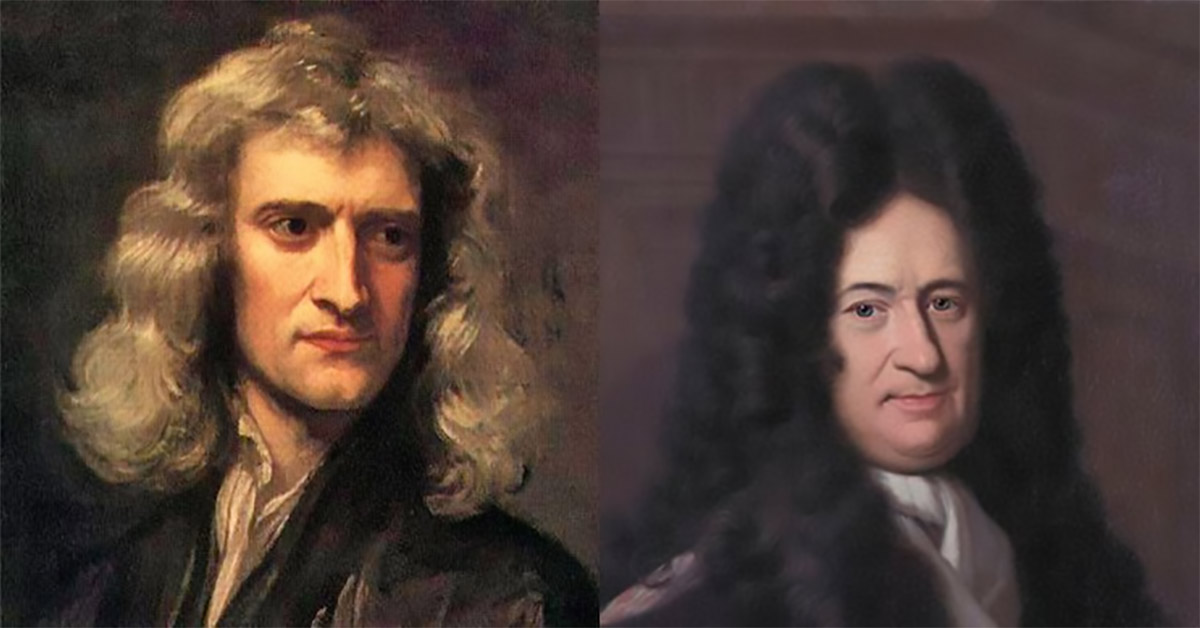

The Father of Modern Science: Isaac Newton

ursustel.net – In the annals of history, few individuals have left a mark as indelible as Sir Isaac Newton. Known as the father of modern science, Newton’s contributions to mathematics, physics, and astronomy have shaped the way we understand the universe. His work laid the foundation for much of the scientific and technological advancements that define our modern world.

The Early Life of Isaac Newton

Isaac Newton was born on January 4, 1643, in Woolsthorpe, England. He was a premature baby and was so small that no one expected him to survive. Despite his humble beginnings, Newton would grow up to become one of the most influential scientists of all time. His early life was marked by hardship, including the death of his father before he was born and a troubled relationship with his mother. Despite these challenges, Newton excelled in his studies and eventually enrolled in Trinity College, Cambridge.

Newton’s Contributions to Mathematics

Newton’s contributions to mathematics are monumental. He is credited with the development of calculus, a branch of mathematics that studies rates of change. Calculus has become an essential tool in science, engineering, and economics. Newton’s work in mathematics also included advancements in the field of algebra and the development of the binomial theorem.

The Laws of Motion and Universal Gravitation

Perhaps Newton’s most famous contributions are his three laws of motion and the law of universal gravitation. The laws of motion describe the relationship between a body and the forces acting upon it, and changes in the body’s motion due to these forces. The law of universal gravitation states that every mass attracts every other mass in the universe with a force that is directly proportional to the product of their masses and inversely proportional to the square of the distance between their centers. These laws revolutionized our understanding of the cosmos and laid the groundwork for classical mechanics.

Newton’s Work in Optics

Newton’s curiosity extended beyond the laws governing the motion of objects. He also made significant contributions to the field of optics. His experiments with light led to the discovery that white light is composed of the same system of colors that can be seen in a rainbow and that a prism could split light into a spectrum of colors. This work challenged the prevailing theories of light and color and led to the development of the reflecting telescope.

The Publication of Principia

In 1687, Newton published his most famous work, “Philosophiæ Naturalis Principia Mathematica” (Mathematical Principles of Natural Philosophy), commonly known as the Principia. This work outlined his laws of motion and universal gravitation, and it is considered one of the most important works in the history of science. The Principia provided a new framework for understanding the physical world and set the stage for the scientific revolution.

Legacy

Newton’s legacy is vast and enduring. His work has influenced countless scientists and has been instrumental in the development of modern physics. Newton’s laws of motion and universal gravitation were the standard for understanding the mechanics of the universe until the early 20th century when Albert Einstein’s theory of relativity provided a new perspective. However, Newton’s principles remain essential for understanding the behavior of objects at everyday speeds and sizes.

Conclusion

Isaac Newton’s contributions to science are unparalleled. His work in mathematics, physics, and astronomy laid the groundwork for the modern scientific era. Newton’s laws of motion and universal gravitation, along with his work in optics and mathematics, have had a profound impact on our understanding of the universe. As we continue to explore the mysteries of the cosmos, Newton’s legacy as the father of modern science endures.

The Science of Truly Happiness

Happiness is a universal aspiration, a state of well-being that people from all walks of life strive to achieve. Despite its subjective nature, happiness has been the subject of scientific inquiry for decades. Researchers across various disciplines—psychology, neuroscience, sociology, and even economics—have sought to understand what truly makes us happy. Here, we explore the science of happiness and the key factors that contribute to our sense of well-being.

Understanding Happiness

Happiness is often described in two major categories: hedonic and eudaimonic. Hedonic happiness is about pleasure and the immediate gratification of desires, while eudaimonic happiness focuses on meaning, self-realization, and living in accordance with one’s values. Both forms are essential to a well-rounded sense of happiness.

The Role of Genetics

Research suggests that genetics play a significant role in determining our baseline level of happiness. Studies on twins have shown that approximately 40-50% of the variance in individual happiness can be attributed to genetic factors. This doesn’t mean that happiness is predetermined, but rather that some people might have a natural predisposition towards a more positive outlook.

Environmental and Social Factors

While genetics provide a baseline, environmental and social factors significantly influence our day-to-day happiness. Key elements include:

  1. Relationships: Strong social connections are one of the most consistent predictors of happiness. Quality relationships with family, friends, and romantic partners provide emotional support, increase feelings of belonging, and reduce stress.
  2. Community and Belonging: Being part of a community or group can enhance happiness by providing a sense of belonging and purpose. Engaging in communal activities and social events fosters connections and shared experiences.
  3. Work and Purpose: Finding meaning and purpose in work is another critical factor. People who perceive their work as meaningful and aligned with their values tend to report higher levels of job satisfaction and overall happiness.
  4. Economic Stability: While money can’t buy happiness, financial stability can alleviate stress and provide more opportunities for fulfilling activities. Beyond a certain point, however, increases in income have a diminishing return on happiness.

Psychological Factors

Our internal processes and mental habits also play a crucial role in happiness. Key psychological factors include:

  1. Gratitude: Practicing gratitude by regularly acknowledging and appreciating the positive aspects of life can significantly boost happiness.
  2. Mindfulness and Meditation: Engaging in mindfulness and meditation practices helps to reduce stress, increase emotional regulation, and improve overall well-being.
  3. Positive Thinking: Adopting a positive mindset and focusing on strengths rather than weaknesses can enhance resilience and happiness.
  4. Autonomy and Control: Having control over one’s life and decisions is linked to higher levels of happiness. People who feel empowered to make choices that align with their values and goals tend to be more satisfied with their lives.

Biological and Neurological Factors

Happiness is also rooted in our biology. Neurotransmitters like dopamine, serotonin, and endorphins play crucial roles in regulating mood and emotions. Activities that stimulate the release of these chemicals, such as exercise, social interactions, and hobbies, contribute to a happier state of mind.

Cultural Influences

Cultural norms and values shape our perceptions of happiness. Different cultures prioritize different sources of happiness, such as individual achievements in Western societies and communal harmony in Eastern cultures. Understanding and respecting these cultural differences can enhance cross-cultural happiness and empathy.

Strategies to Enhance Happiness

Given the multifaceted nature of happiness, there are several strategies individuals can employ to enhance their well-being:

  1. Cultivate Relationships: Invest time in building and maintaining strong, supportive connections with others.
  2. Engage in Meaningful Activities: Pursue hobbies, volunteer work, or careers that align with your passions and values.
  3. Practice Gratitude: Keep a gratitude journal or regularly reflect on things you are thankful for.
  4. Stay Active: Regular physical activity boosts mood and overall health.
  5. Mindfulness and Relaxation: Incorporate mindfulness, meditation, or relaxation techniques into your daily routine.
  6. Set Realistic Goals: Set and work towards achievable goals that give you a sense of purpose and accomplishment.

Conclusion

Happiness is a complex and dynamic state influenced by a myriad of factors, from genetics and biology to social connections and personal mindset. By understanding the science of happiness, we can adopt practices that promote well-being and create a more fulfilling life. While the pursuit of happiness is unique to each individual, the underlying principles of fostering positive relationships, finding purpose, and maintaining a healthy lifestyle are universal pathways to a happier, more contented existence.