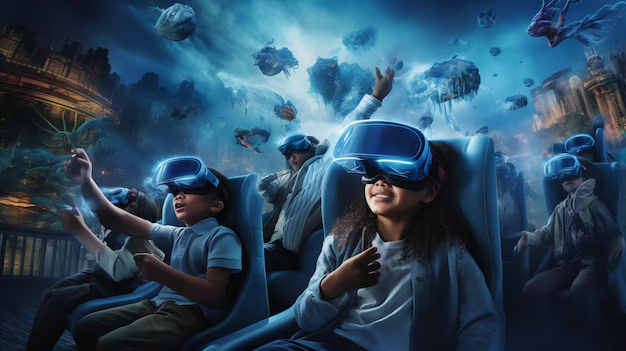
The New Generation’s Exploration of Digital Worlds: Virtual Reality

ursustel.net – In the digital age, the boundaries between the physical and virtual worlds are blurring. Virtual Reality (VR) technology has emerged as a groundbreaking innovation, offering users the chance to immerse themselves in digital environments that mimic reality. For the new generation, VR is not just a technological curiosity; it’s a gateway to new forms of entertainment, education, and social interaction. This article explores how VR is shaping the experiences and expectations of the new generation as they navigate and explore digital worlds.

The Dawn of Immersive Experiences

The Evolution of VR Technology

The concept of virtual reality has been around for decades, but recent advancements in technology have made it more accessible and sophisticated than ever before. High-resolution displays, advanced motion tracking, and more comfortable hardware designs have contributed to a surge in VR’s popularity.

From Gaming to Beyond

Initially, VR was synonymous with gaming, offering players the chance to step into their favorite virtual worlds. However, the technology has rapidly expanded into other domains, including education, healthcare, and even real estate, providing immersive experiences that were once unimaginable.

Education in the Digital Age

VR as a Learning Tool

For the new generation, VR is not just a medium for entertainment; it’s also a powerful educational tool. By offering immersive experiences, VR can make learning more engaging and interactive. Whether it’s exploring historical sites, conducting virtual dissections, or even traveling through the human body, VR opens up new avenues for educational exploration.

The Future of Classrooms

As VR technology continues to evolve, it has the potential to revolutionize the traditional classroom experience. Imagine a world where students can learn about different cultures by virtually visiting countries or understand complex scientific concepts by interacting with 3D models. The possibilities are endless, and the new generation is at the forefront of this educational revolution.

Social Interaction in Virtual Spaces

The Rise of Virtual Social Platforms

Social media has long been a staple for the new generation, but VR is taking social interaction to the next level. Virtual social platforms allow users to create avatars and interact with others in immersive environments. From attending virtual concerts to exploring digital art galleries, VR offers new ways to connect and socialize.

Building Communities in Virtual Worlds

VR is not just about individual experiences; it’s also about building communities. Users can collaborate on projects, attend virtual events, and even work together in shared virtual spaces. This sense of community and collaboration is a hallmark of the new generation’s approach to virtual reality.

Ethical Considerations and Challenges

Balancing Virtual and Real-World Experiences

As the new generation becomes more engrossed in virtual worlds, there is a growing need to balance these experiences with real-world interactions. Educators and parents must navigate the fine line between leveraging VR for educational and social benefits and ensuring that it does not overshadow real-life experiences.

Privacy and Security in VR

With the rise of VR, concerns about privacy and security have also emerged. As users share more personal information and spend more time in virtual spaces, there is a greater risk of data breaches and privacy violations. It is crucial for developers and users alike to prioritize security measures to protect against these threats.

Conclusion

Virtual reality is more than just a technological novelty; it’s a transformative tool that is reshaping the way the new generation learns, socializes, and experiences the world. As VR technology continues to evolve, it will undoubtedly play an even more significant role in the lives of young people, offering endless possibilities for exploration and innovation. The new generation stands on the brink of a digital frontier, ready to explore the vast and immersive worlds that virtual reality has to offer.


New Breed of Fame: The Rise of YouTube Celebrities

ursustel.net – In the digital age, fame has taken on a new form, one that is not confined to the traditional realms of Hollywood, music, or sports. The internet, and more specifically platforms like YouTube, has given rise to a new breed of celebrities who have amassed millions of followers without ever stepping foot on a movie set or recording a hit single. This phenomenon has not only changed the face of entertainment but also the way fame is perceived and achieved.

The Birth of a Digital Star System

YouTube, launched in 2005, began as a platform for sharing personal videos. However, it quickly evolved into a stage for a new kind of performer. These YouTube celebrities, or YouTubers, come from all walks of life, with diverse talents ranging from comedy and music to gaming and DIY tutorials. What sets them apart is their ability to connect with their audience on a personal level, fostering a sense of community that is often missing from mainstream media.

The Power of Authenticity

One of the key factors in the rise of YouTube celebrities is authenticity. Unlike traditional celebrities, whose images are often carefully curated by publicists and agents, YouTubers present themselves as they are. This raw, unfiltered approach resonates with viewers who are tired of the polished veneer of traditional media. The result is a level of trust and loyalty that can translate into a dedicated fan base.

The Economics of YouTube Fame

The financial rewards for successful YouTubers can be substantial. Through ad revenue, sponsorships, and merchandise sales, top creators can earn millions of dollars annually. This has led to the emergence of YouTube as a viable career path for those looking to make a living from their online presence.

Challenges and Controversies

Despite the allure of YouTube fame, the path is not without its challenges. The platform’s algorithm changes can drastically affect a channel’s visibility, and the pressure to constantly produce engaging content can lead to burnout. Additionally, the public nature of the platform means that YouTubers are under constant scrutiny, with controversies often magnified by the digital echo chamber.

The Future of YouTube Celebrities

As YouTube continues to evolve, so too will the nature of YouTube celebrities. With the advent of new features like YouTube Premium and the increasing integration of YouTube content into traditional media, the lines between digital and mainstream fame are blurring. It is clear that YouTube celebrities are here to stay, and they will continue to shape the entertainment landscape for years to come.

Conclusion

The rise of YouTube celebrities represents a seismic shift in how fame is achieved and perceived. By leveraging the power of the internet, these digital stars have built empires that rival those of their mainstream counterparts. As the platform continues to grow and change, so too will the strategies and challenges faced by those looking to make a name for themselves on YouTube. One thing is certain: the new breed of fame that YouTube has spawned is here to stay, and it will continue to captivate audiences around the world.

Experimenting with New Technologies: The Factory as a Laboratory

ursustel.net – In the ever-evolving landscape of industrial production, the factory is no longer just a site of mass production; it has become a laboratory for innovation and experimentation. With the advent of new technologies, manufacturers are increasingly viewing their factories as testbeds for cutting-edge solutions that can enhance efficiency, sustainability, and competitiveness. This article explores the transformative role of new technologies in the factory setting, highlighting how experimentation is driving the Fourth Industrial Revolution, or Industry 4.0.

The Evolution of the Factory:
Historically, factories were designed for one purpose: to produce goods at scale. The Industrial Revolution brought about the assembly line, and since then, factories have been synonymous with mass production. However, the digital age has introduced a new paradigm where factories are not only about quantity but also about quality, customization, and innovation. The integration of advanced technologies is reshaping the factory floor, turning it into a dynamic environment where new ideas are constantly being tested and refined.

Key Technologies Transforming Factories:
Several technologies are at the forefront of this transformation, including:

  1. Internet of Things (IoT): IoT devices are revolutionizing the factory by enabling real-time data collection and analysis. Sensors and smart devices embedded in machinery provide insights into performance, maintenance needs, and potential inefficiencies, allowing for predictive maintenance and optimized operations.
  2. Artificial Intelligence (AI) and Machine Learning: AI and machine learning algorithms are being used to analyze vast amounts of data generated within the factory, leading to smarter decision-making. From quality control to supply chain management, AI is enhancing precision and reducing human error.
  3. Robotics and Automation: Robotics and automation are not new to factories, but advancements in these fields are introducing more sophisticated and collaborative robots (cobots) that work alongside humans. These robots can perform complex tasks, increasing productivity and safety.
  4. Augmented Reality (AR) and Virtual Reality (VR): AR and VR are changing the way workers interact with machinery and each other. These technologies offer immersive training experiences, remote assistance, and visualization tools that improve process understanding and problem-solving.
  5. Additive Manufacturing: Also known as 3D printing, additive manufacturing is allowing for the production of complex parts and prototypes with greater speed and flexibility. This technology is enabling factories to experiment with new designs and materials, leading to innovative products and reduced waste.

The Role of Experimentation:
Experimentation is crucial in the adoption of these technologies. It allows manufacturers to test new processes, workflows, and systems without disrupting their core operations. By creating dedicated spaces within the factory, such as innovation hubs or pilot lines, companies can safely explore the potential of new technologies and assess their impact on production.

Challenges and Considerations:
While the benefits of experimenting with new technologies are clear, there are challenges to consider. These include the need for a skilled workforce capable of managing and maintaining advanced systems, the security risks associated with increased connectivity, and the significant upfront investment required for technology integration.

Conclusion:
The factory as a laboratory is a powerful concept that encapsulates the spirit of Industry 4.0. By embracing experimentation and leveraging new technologies, manufacturers can unlock unprecedented levels of efficiency, customization, and innovation. As the industrial landscape continues to evolve, those who view their factories as testbeds for the future will be well-positioned to lead the next wave of industrial transformation.