The Rise of the Principality in Medieval Serbia

ursustel.net – The medieval period in the history of Serbia, spanning from the 6th century with the Slavic migrations to Southeastern Europe until the Ottoman conquest in the 15th century, was marked by significant political, cultural, and social developments. This era was crucial in shaping the identity and territorial boundaries of what would become modern Serbia.

Early Foundations and the Vlastimirović Dynasty

The first Serbian state with a recognized political identity emerged under Prince Vlastimir in the mid-9th century. This state, known as the Principality of Serbia, was ruled by the Vlastimirović dynasty, which lasted until around 969-97. The dynasty’s reign was marked by a series of conflicts with neighboring powers such as the Bulgarians, Hungarians, and Byzantines, as well as internal tribal conflicts. The first ruler known by name was Višeslav, who began his rule around 780.

The Unification and Expansion under the Nemanjić Dynasty

The Principality of Serbia underwent significant changes in the late 11th century, leading to the establishment of the Grand Principality of Serbia. This transformation was largely due to the efforts of Vukan, who consolidated the Serbian lands and laid the groundwork for the rise of the Nemanjić dynasty. The Nemanjić dynasty, which ruled from 1166 to 1371, is often considered the golden age of medieval Serbia.

Under the leadership of Grand Prince Stefan Nemanja, Serbia achieved independence from the Byzantine Empire. His son, King Milutin, further expanded the Serbian territories and halted further expansion to consolidate the state. The reign of King Dušan (1331-1355) marked the peak of Serbian power, as he expanded the state to include modern Serbia south of the Sava and Danube rivers, Macedonia, Montenegro, Albania, and parts of Greece. Dušan’s rule was characterized by the codification of laws and the establishment of a centralized state structure, modeled after the Byzantine Empire.

Cultural and Economic Developments

The medieval period in Serbia was not only marked by political expansion but also by significant cultural and economic developments. The Serbian Orthodox Church, which became autocephalous in 1219 under Saint Sava, played a crucial role in the cultural development of the region. The church established numerous monasteries, such as Mileševa, Peć, Morača, Sopoćani, and Visoki Dečani, which became centers of cultural and religious life. These monasteries were instrumental in preserving and promoting Serbian culture and identity.

Economically, the period saw the expansion of agriculture and mining. Silver, tin, and copper mining, which had been active since the Roman era, expanded significantly during this time. Trade also flourished, utilizing the old Roman roads to connect Serbia with other parts of Europe.

The Decline and Consequences

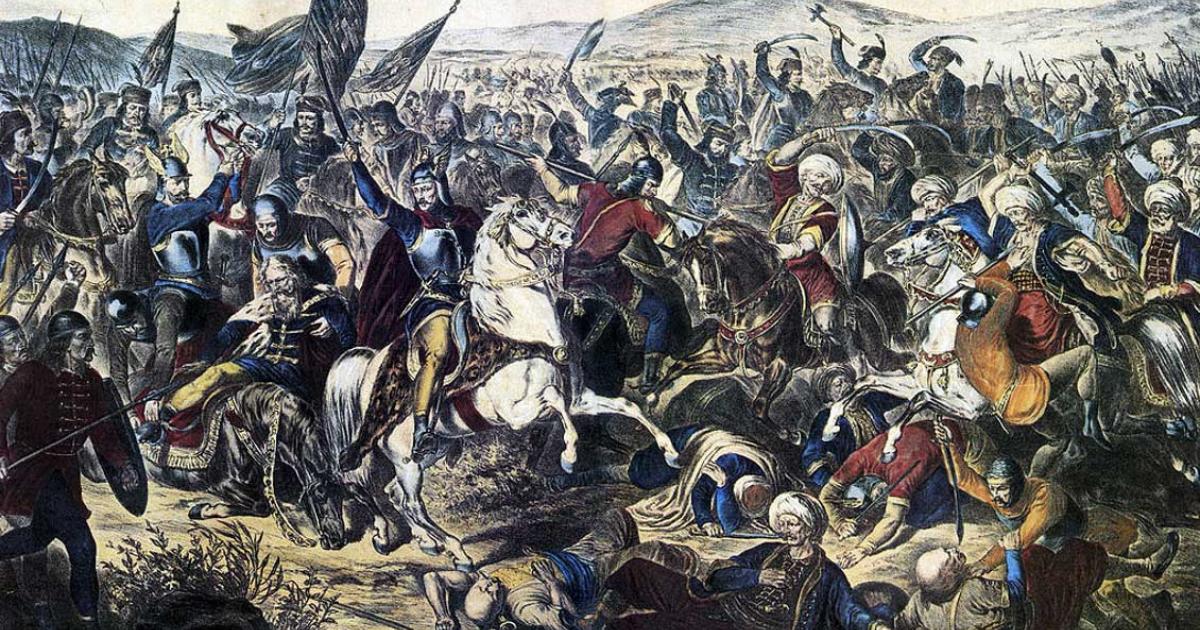
Despite its peak under Dušan, the Serbian state began to disintegrate after his death due to internal conflicts and external pressures from the Ottoman Empire. The Battle of Kosovo in 1389, where Serbian forces led by Prince Lazar clashed with the Ottomans, marked a turning point. Although the battle itself was indecisive, it led to the eventual Ottoman conquest of Serbian lands by the mid-15th century.

The medieval period in Serbia was a time of significant transformation, from the establishment of the first Serbian state to its peak under the Nemanjić dynasty and eventual decline. This era laid the foundational elements of Serbian identity and statehood, influencing the course of Serbian history for centuries to come.


New Breed of Fame: The Rise of YouTube Celebrities

ursustel.net – In the digital age, fame has taken on a new form, one that is not confined to the traditional realms of Hollywood, music, or sports. The internet, and more specifically platforms like YouTube, has given rise to a new breed of celebrities who have amassed millions of followers without ever stepping foot on a movie set or recording a hit single. This phenomenon has not only changed the face of entertainment but also the way fame is perceived and achieved.

The Birth of a Digital Star System

YouTube, launched in 2005, began as a platform for sharing personal videos. However, it quickly evolved into a stage for a new kind of performer. These YouTube celebrities, or YouTubers, come from all walks of life, with diverse talents ranging from comedy and music to gaming and DIY tutorials. What sets them apart is their ability to connect with their audience on a personal level, fostering a sense of community that is often missing from mainstream media.

The Power of Authenticity

One of the key factors in the rise of YouTube celebrities is authenticity. Unlike traditional celebrities, whose images are often carefully curated by publicists and agents, YouTubers present themselves as they are. This raw, unfiltered approach resonates with viewers who are tired of the polished veneer of traditional media. The result is a level of trust and loyalty that can translate into a dedicated fan base.

The Economics of YouTube Fame

The financial rewards for successful YouTubers can be substantial. Through ad revenue, sponsorships, and merchandise sales, top creators can earn millions of dollars annually. This has led to the emergence of YouTube as a viable career path for those looking to make a living from their online presence.

Challenges and Controversies

Despite the allure of YouTube fame, the path is not without its challenges. The platform’s algorithm changes can drastically affect a channel’s visibility, and the pressure to constantly produce engaging content can lead to burnout. Additionally, the public nature of the platform means that YouTubers are under constant scrutiny, with controversies often magnified by the digital echo chamber.

The Future of YouTube Celebrities

As YouTube continues to evolve, so too will the nature of YouTube celebrities. With the advent of new features like YouTube Premium and the increasing integration of YouTube content into traditional media, the lines between digital and mainstream fame are blurring. It is clear that YouTube celebrities are here to stay, and they will continue to shape the entertainment landscape for years to come.

Conclusion

The rise of YouTube celebrities represents a seismic shift in how fame is achieved and perceived. By leveraging the power of the internet, these digital stars have built empires that rival those of their mainstream counterparts. As the platform continues to grow and change, so too will the strategies and challenges faced by those looking to make a name for themselves on YouTube. One thing is certain: the new breed of fame that YouTube has spawned is here to stay, and it will continue to captivate audiences around the world.

Alternative Music’s Rise in the 2000s: The Indie Explosion

ursustel.net – The 2000s marked a pivotal era in the music industry, witnessing a significant shift towards independent music. This period, often referred to as the “Indie Explosion,” saw alternative music break into the mainstream, challenging the dominance of major labels and redefining the music landscape. This article delves into the rise of indie music during the 2000s, exploring its causes, key players, and lasting impact on the industry.

The Digital Revolution

The rise of indie music in the 2000s cannot be discussed without acknowledging the digital revolution that transformed how we consume music. The advent of platforms like MySpace, Napster, and later iTunes, democratized music discovery, allowing bands to bypass traditional gatekeepers and connect directly with fans. This shift empowered independent artists, enabling them to build a following without the backing of a major label.

Key Players and Genres

The 2000s indie explosion was characterized by a diverse array of artists and genres, each contributing to the rich tapestry of alternative music. Bands like Arcade Fire, with their critically acclaimed album “Funeral,” and The Strokes, whose debut “Is This It” became a modern classic, led the charge. Indie rock, emo, and post-punk revival bands such as Interpol, The White Stripes, and My Chemical Romance found mainstream success, each bringing their unique sound to the forefront.

The decade also saw the rise of indie pop and folk, with artists like Feist, Sufjan Stevens, and Iron & Wine gaining popularity. These artists, with their intimate and introspective sounds, appealed to a growing audience seeking a respite from the polished, commercialized music of the time.

The Impact of Festivals

Music festivals played a crucial role in the indie explosion of the 2000s. Events like Coachella, Lollapalooza, and SXSW became cultural phenomena, showcasing a wide range of independent artists and fostering a community among fans. These festivals not only provided indie bands with a platform to reach a broader audience but also influenced mainstream music tastes, further blurring the lines between alternative and popular music.

The Legacy

The indie explosion of the 2000s left an indelible mark on the music industry. It demonstrated the power of independent artists to challenge the status quo and achieve mainstream success on their terms. The decade’s alternative music scene laid the groundwork for the DIY ethos that continues to influence artists today, emphasizing creativity, authenticity, and connection with fans over commercial success.

Moreover, the technological advancements that fueled the indie explosion have only accelerated, making it easier than ever for independent artists to produce, distribute, and promote their music. The legacy of the 2000s indie scene is evident in the vibrant, diverse music landscape we enjoy today, where the barriers to entry are lower, and the possibilities for artists are endless.

In conclusion, the indie explosion of the 2000s was a transformative period in the music industry, characterized by innovation, diversity, and a spirit of independence. It not only reshaped the industry but also left a lasting legacy that continues to inspire and influence musicians and fans alike. The rise of alternative music in the 2000s serves as a testament to the enduring power of creativity and the unstoppable force of music.