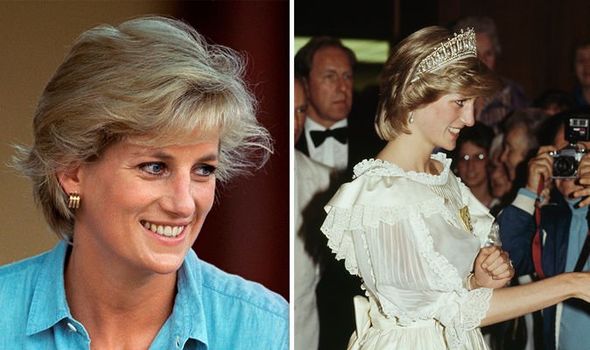
Historical Tales of Royal Women: Princesses of the Past

ursustel.net – Throughout history, the lives of princesses have been shrouded in mystery, grandeur, and sometimes, tragedy. These royal women, born into privilege and duty, have left indelible marks on the world, influencing politics, culture, and society. Their stories, often overshadowed by those of their male counterparts, are tales of resilience, power, and grace. Let’s delve into the lives of some of these remarkable women, whose legacies continue to inspire.

Cleopatra VII of Egypt

14 Fascinating Facts About Cleopatra, The Last Queen Of Egypt

Perhaps one of the most famous princesses in history, Cleopatra VII was not just a queen but also a symbol of intelligence and political acumen. Born into the Ptolemaic dynasty, she inherited a kingdom that was on the brink of collapse. Through her strategic alliances with Roman leaders Julius Caesar and Mark Antony, Cleopatra managed to preserve Egypt’s sovereignty for a time. Her story, though often romanticized, is a testament to her diplomatic prowess and determination.

Princess Pingyang of China

10 REAL PRINCESSES Too Badass For A DISNEY MOVIE - YouTube


In the 7th century, Princess Pingyang of China defied the traditional roles of royal women by leading a rebel army against the Sui dynasty. Her military genius and leadership were instrumental in establishing the Tang dynasty, one of China’s most prosperous periods. Pingyang’s achievements were remarkable, considering the era’s strict gender roles. She was later honored with the title “Lady of the City Wall” for her contributions.

Princess Elisabeth of Bohemia

The Splintered Mind: Elisabeth of Bohemia 1, Descartes 0

Princess Elisabeth of Bohemia, born in the 17th century, was a woman ahead of her time. Despite the limited opportunities for women in education, she became a philosopher and a correspondent of René Descartes. Her intellectual curiosity and philosophical insights challenged the prevailing views on the mind-body problem, leaving a lasting impact on the field of philosophy.

Princess Noor of Jordan

Pin page

In more recent history, Princess Noor of Jordan, born Lisa Halaby, has been a beacon of modernity and progress. As the fourth wife of King Hussein of Jordan, she has been involved in numerous humanitarian and educational projects. Her work in promoting peace, education, and cross-cultural understanding has made her a respected figure on the global stage.

Princess Diana of Wales
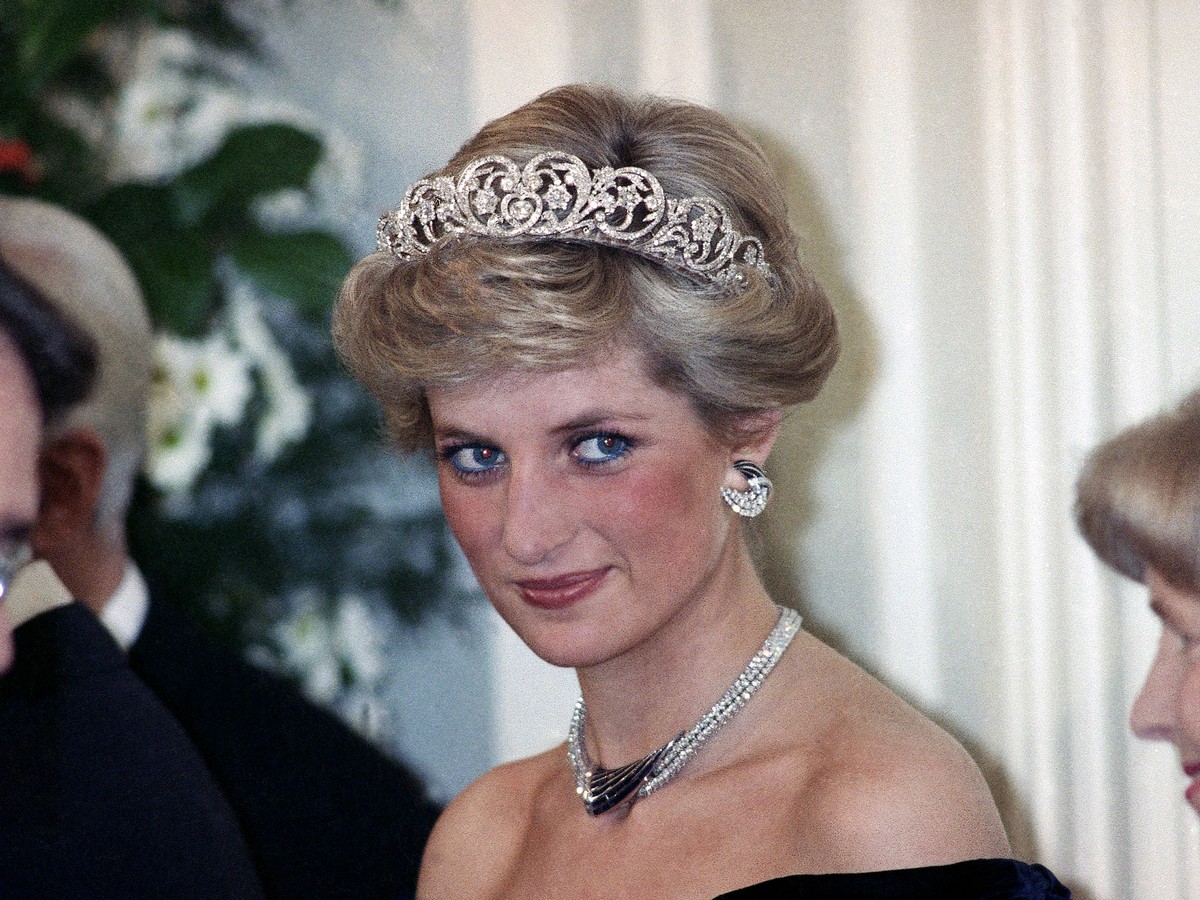
Princess Diana, 20 Years Later - The Atlantic


Princess Diana, perhaps one of the most beloved princesses of the 20th century, broke the mold of traditional royal duties. Her compassionate nature and commitment to humanitarian causes, particularly those focused on landmines and HIV/AIDS, endeared her to the public. Diana’s legacy is a reminder of the power of empathy and the impact one person can have on the world.

Conclusion

The lives of these princesses, among many others, remind us of the diverse ways in which women have shaped history. From the battlefield to the boardroom, from the realms of philosophy to the front lines of humanitarian efforts, these royal women have left legacies that continue to inspire. Their stories are not just tales of the past but lessons for the future, teaching us about resilience, leadership, and the enduring power of the human spirit.

Wave Riders: Empowering of Women in Surfing, Wakeboarding

ursustel.net – The world of surfing and wakeboarding has long been dominated by men, but over the years, women have carved out their own space on the waves and wakes, showcasing skill, determination, and grace. These wave riders have not only shattered glass ceilings but have also inspired a new generation of female athletes to dive into the deep end of these exhilarating sports. This article delves into the journey of women in surfing and wakeboarding, highlighting their achievements, challenges, and the empowering impact they have on the sports they love.

The Rise of Women in Surfing:
Surfing has its roots in ancient Polynesia, but it wasn’t until the 20th century that women began to make significant inroads into the sport. Pioneers like Duke Kahanamoku and Marge Calhoun in the early 1900s laid the groundwork for future generations. However, it wasn’t until the 1980s and 1990s that women’s surfing began to gain serious recognition, with athletes like Lisa Andersen and Layne Beachley leading the charge. These champions not only won multiple world titles but also paved the way for increased media coverage and sponsorship opportunities for women in surfing.

Today, women surfers like Carissa Moore, Stephanie Gilmore, and Lakey Peterson continue to push the boundaries of the sport, performing maneuvers that were once thought impossible for female athletes. Their success has helped to grow the women’s competitive circuit and has inspired a surge in female participation at all levels.

Wakeboarding: A New Frontier for Women:
Wakeboarding, a relatively newer sport that combines elements of surfing, snowboarding, and skateboarding, has seen a rapid rise in female participation since its inception in the late 1980s. Unlike surfing, which requires ocean waves, wakeboarding is done behind a boat or at cable parks, making it more accessible to a wider audience.

Women like Dallas Friday and Amber Torrealba have been instrumental in elevating the status of women in wakeboarding. They have won numerous championships and have been featured in magazines and videos, proving that women can perform at the highest levels of the sport. The growth of women’s wakeboarding has also been fueled by the introduction of all-female wake camps and competitions, which provide a supportive environment for female riders to learn and compete.

Challenges and Empowerment:
Despite the progress, women in surfing and wakeboarding still face challenges, including gender pay gaps, limited media coverage, and societal expectations. However, these obstacles have only served to strengthen the resolve of female athletes, who have banded together to advocate for equality and to support one another.

Organizations like the Women’s Sports Foundation and the Surfrider Foundation have played crucial roles in promoting gender equality in sports and in raising awareness about issues such as climate change, which threatens the very waves that surfers and wakeboarders ride. Social media has also become a powerful tool for female athletes to share their stories, connect with fans, and challenge stereotypes.

Conclusion:
The journey of women in surfing and wakeboarding is a testament to the power of perseverance and the impact of role models. From the early pioneers to today’s champions, women have transformed these sports, making them more inclusive and inspiring a diverse community of wave riders. As the next generation of female athletes continues to rise, the legacy of these wave riders will undoubtedly continue to empower and pave the way for future generations to catch their own waves and ride their own wakes.