Tales Woven Under the Stars: Moroccan Storytelling

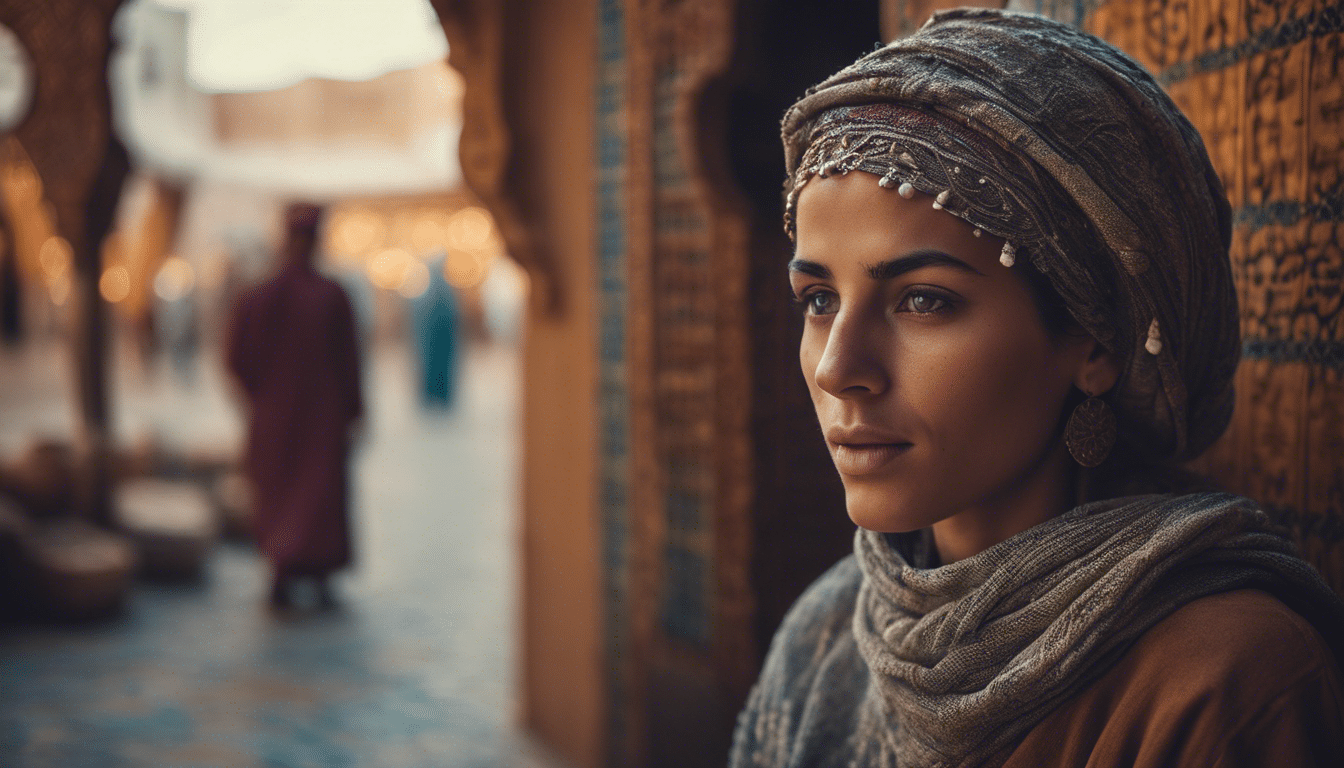
ursustel.net – In the heart of Morocco, where the desert sands meet the starlit sky, an ancient tradition thrives—a tradition that has been passed down through generations, weaving tales as intricate as the patterns on a Moroccan rug. This is the art of Moroccan storytelling, a captivating blend of folklore, mythology, and cultural heritage that has enchanted listeners for centuries.

The Heart of Moroccan Culture

Storytelling in Morocco is more than just a pastime; it is a cornerstone of the country’s cultural identity. It is a way to preserve history, impart wisdom, and entertain. These stories, often told around campfires or in the bustling squares of cities like Marrakech, are windows into the soul of Morocco, reflecting its rich diversity, its struggles, and its triumphs.

Tales of Djinns, Heroes, and Legends

The tales that emerge from Moroccan storytelling are as varied as the landscapes of the country itself. From stories of djinns (genies) that inhabit the desert sands to tales of heroism and adventure, each narrative is a tapestry of imagination and tradition. One of the most famous collections of Moroccan folktales is “One Thousand and One Nights” (also known as “Arabian Nights”), which features the cunning and clever Scheherazade, who saves her own life by entertaining a king with stories every night.

The Art of the Storyteller

The Moroccan storyteller, or “hakawati,” is a master of their craft. With a voice that can captivate an audience and transport them to another world, the hakawati uses gestures, facial expressions, and changes in tone to bring their tales to life. They are not just narrators but performers, embodying each character and making the stories as vivid as possible.

Preserving the Tradition

In an era where technology and modern entertainment dominate, Moroccan storytelling faces challenges. However, efforts are being made to preserve this tradition. Festivals and cultural events celebrate Moroccan folklore, and storytelling workshops are held to teach the younger generation the art of storytelling. Additionally, many storytellers are now recording their tales, ensuring that these narratives are not lost to time.

A Journey Through Time

Listening to a Moroccan storyteller is like embarking on a journey through time. It is an opportunity to experience the magic of oral tradition, to learn about a culture’s history and values, and to be reminded of the power of storytelling to connect us, even across vast distances of time and space.

Conclusion

Moroccan storytelling is a testament to the enduring power of narrative. It is a bridge between the past and the present, a means of cultural transmission, and a source of entertainment and wisdom. As the stars twinkle above the desert sands, the tales woven by Moroccan storytellers continue to captivate and inspire, reminding us of the universal language of storytelling that unites us all.
Historical Tales of Royal Women: Princesses of the Past

ursustel.net – Throughout history, the lives of princesses have been shrouded in mystery, grandeur, and sometimes, tragedy. These royal women, born into privilege and duty, have left indelible marks on the world, influencing politics, culture, and society. Their stories, often overshadowed by those of their male counterparts, are tales of resilience, power, and grace. Let’s delve into the lives of some of these remarkable women, whose legacies continue to inspire.

Cleopatra VII of Egypt

14 Fascinating Facts About Cleopatra, The Last Queen Of Egypt

Perhaps one of the most famous princesses in history, Cleopatra VII was not just a queen but also a symbol of intelligence and political acumen. Born into the Ptolemaic dynasty, she inherited a kingdom that was on the brink of collapse. Through her strategic alliances with Roman leaders Julius Caesar and Mark Antony, Cleopatra managed to preserve Egypt’s sovereignty for a time. Her story, though often romanticized, is a testament to her diplomatic prowess and determination.

Princess Pingyang of China

10 REAL PRINCESSES Too Badass For A DISNEY MOVIE - YouTube


In the 7th century, Princess Pingyang of China defied the traditional roles of royal women by leading a rebel army against the Sui dynasty. Her military genius and leadership were instrumental in establishing the Tang dynasty, one of China’s most prosperous periods. Pingyang’s achievements were remarkable, considering the era’s strict gender roles. She was later honored with the title “Lady of the City Wall” for her contributions.

Princess Elisabeth of Bohemia

The Splintered Mind: Elisabeth of Bohemia 1, Descartes 0

Princess Elisabeth of Bohemia, born in the 17th century, was a woman ahead of her time. Despite the limited opportunities for women in education, she became a philosopher and a correspondent of René Descartes. Her intellectual curiosity and philosophical insights challenged the prevailing views on the mind-body problem, leaving a lasting impact on the field of philosophy.

Princess Noor of Jordan

Pin page

In more recent history, Princess Noor of Jordan, born Lisa Halaby, has been a beacon of modernity and progress. As the fourth wife of King Hussein of Jordan, she has been involved in numerous humanitarian and educational projects. Her work in promoting peace, education, and cross-cultural understanding has made her a respected figure on the global stage.

Princess Diana of Wales

Princess Diana, 20 Years Later - The Atlantic


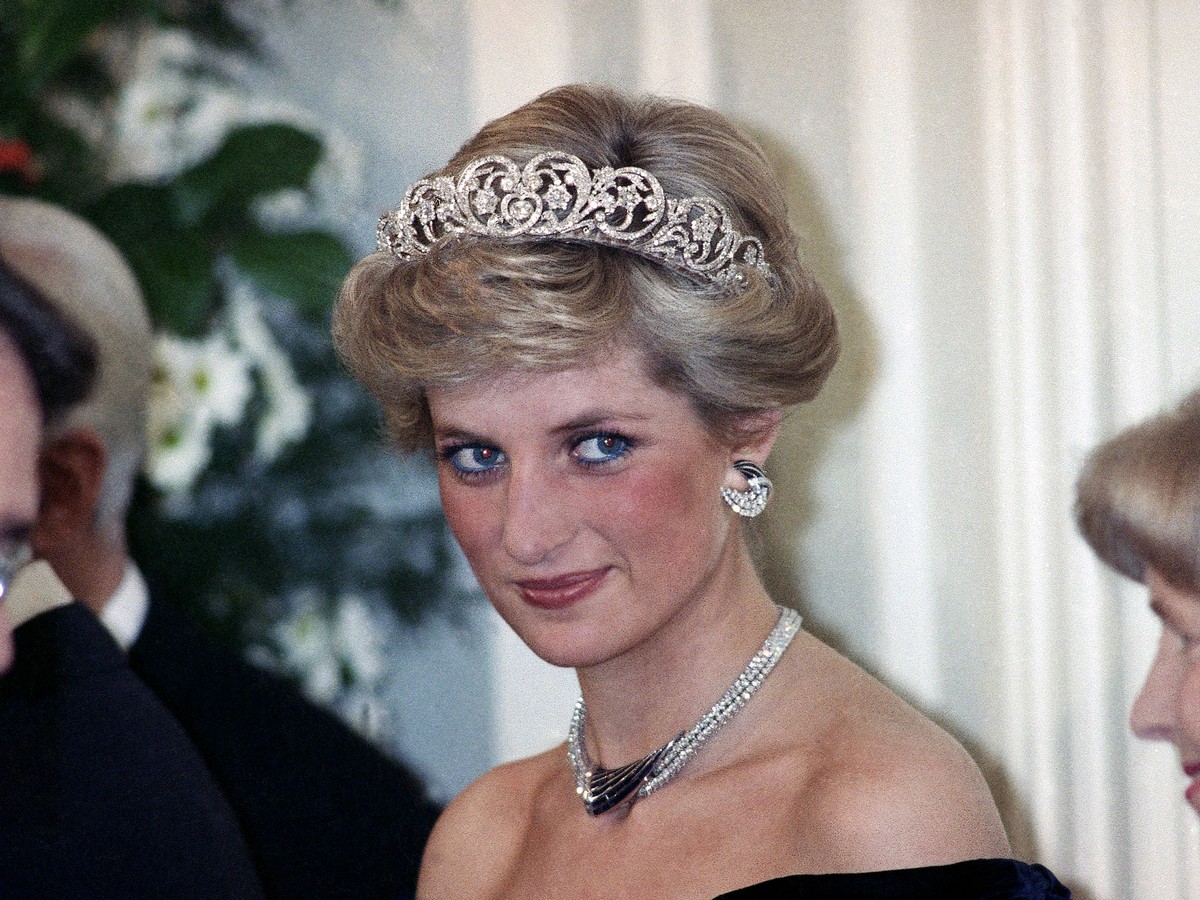
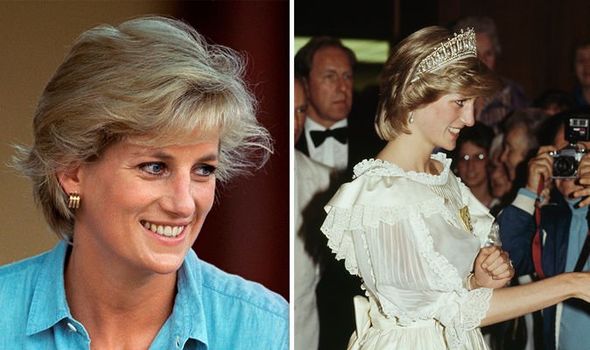
Princess Diana, perhaps one of the most beloved princesses of the 20th century, broke the mold of traditional royal duties. Her compassionate nature and commitment to humanitarian causes, particularly those focused on landmines and HIV/AIDS, endeared her to the public. Diana’s legacy is a reminder of the power of empathy and the impact one person can have on the world.

Conclusion

The lives of these princesses, among many others, remind us of the diverse ways in which women have shaped history. From the battlefield to the boardroom, from the realms of philosophy to the front lines of humanitarian efforts, these royal women have left legacies that continue to inspire. Their stories are not just tales of the past but lessons for the future, teaching us about resilience, leadership, and the enduring power of the human spirit.