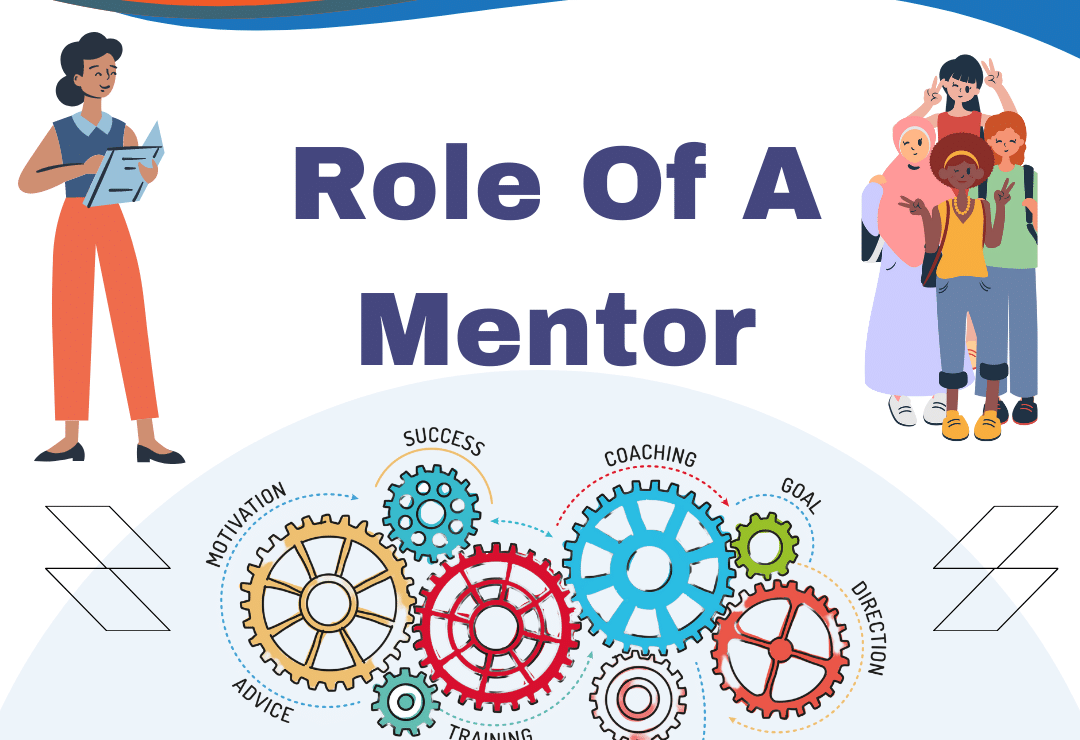
The Role of Mentorship in Achieving Success

ursustel.net – Success is a multifaceted concept that can mean different things to different people. However, one common thread that often runs through the stories of successful individuals is the presence of a mentor. Mentorship is a powerful tool that can guide, inspire, and propel individuals towards achieving their goals. This article explores the various ways in which mentorship plays a crucial role in the journey to success.

The Power of Knowledge and Experience

One of the primary benefits of having a mentor is the access to their wealth of knowledge and experience. Mentors have typically walked the path that their mentees are embarking on and can offer invaluable insights into potential pitfalls and strategies for overcoming them. This transfer of wisdom can significantly shorten the learning curve for mentees, allowing them to make informed decisions and avoid common mistakes.

Guidance and Direction

Success often requires navigating through a maze of choices and challenges. A mentor can provide guidance and direction, helping mentees to set realistic goals and develop a roadmap to achieve them. This personalized advice can be particularly beneficial in complex or unfamiliar situations, where the mentor’s expertise can offer clarity and confidence.

Motivation and Support

The journey to success is rarely a smooth one, and setbacks are inevitable. Mentors play a crucial role in providing motivation and support during these challenging times. They can offer encouragement, help to maintain perspective, and provide the emotional support needed to persevere and bounce back from failures.

Expanding Networks and Opportunities

Mentors often have extensive professional networks that can be leveraged to open doors for mentees. Introductions to key individuals, recommendations for opportunities, and invitations to industry events can all contribute to the mentee’s growth and visibility. This expansion of networks can lead to collaborations, mentorship opportunities, and career advancements that might otherwise have been inaccessible.

Personal and Professional Development

Mentorship is not just about career progression; it also plays a significant role in personal development. Mentors can act as role models, demonstrating professionalism, ethics, and leadership qualities. They can also provide feedback on mentees’ performance, helping them to identify areas for improvement and work on their personal brand.

Conclusion

The role of mentorship in achieving success cannot be overstated. Mentors provide knowledge, guidance, motivation, and opportunities that can significantly enhance a mentee’s journey. By fostering a supportive and educational relationship, mentorship can empower individuals to reach their full potential and achieve their definition of success. Whether you are just starting out in your career or looking to take the next step, finding a mentor who aligns with your goals and values can be a game-changer.

Evaluating the Effectiveness of Charitable Programs

ursustel.net – In the realm of philanthropy and nonprofit organizations, the measurement of success is a critical yet often complex endeavor. Charitable programs, designed to address a myriad of social, environmental, and economic issues, require robust evaluation frameworks to ensure their effectiveness and impact. This article delves into the importance of measuring success in charitable programs, explores various methods of evaluation, and discusses the challenges and best practices in assessing the outcomes of these initiatives.

The Importance of Measuring Success

Charitable programs are established with the noble intention of making a positive difference in the world. However, without clear metrics and evaluation strategies, it is challenging to determine whether these programs are achieving their intended goals. Measuring success is not only about accountability to donors and stakeholders but also about learning and improving. By understanding what works and what doesn’t, organizations can refine their strategies, optimize resource allocation, and ultimately, enhance their impact.

Methods of Evaluating Charitable Programs

1. Outcome Measurement

Outcome measurement focuses on the specific changes or benefits resulting from a program. This could involve tracking changes in behavior, knowledge, skills, or conditions among the target population. For example, an education program might measure success by the increase in literacy rates among participants.

2. Impact Evaluation

Impact evaluation goes a step further to assess the longer-term effects of a program. It seeks to understand the causal relationship between the program and the observed outcomes, often using control groups or comparison populations to isolate the program’s effects.

3. Process Evaluation

Process evaluation examines how a program is implemented. It looks at the delivery of services, the reach of the program, and the fidelity to the intended model. This type of evaluation is crucial for understanding why certain outcomes are achieved and can inform future program design and implementation.

4. Economic Evaluation

Economic evaluation assesses the cost-effectiveness of a program. It compares the costs of the program to the benefits it provides, often expressed in monetary terms. This approach helps in prioritizing investments and ensuring that resources are used efficiently.

Challenges in Measuring Success

Measuring the success of charitable programs is fraught with challenges. These include the difficulty in isolating the impact of a program from other external factors, the long-term nature of some outcomes, and the intangible benefits that may not be easily quantifiable. Additionally, there is the challenge of balancing the need for rigorous evaluation with the practical realities of limited resources and capacity within nonprofit organizations.

Best Practices for Evaluating Charitable Programs

To effectively measure success, organizations should adopt a few best practices:

  • Set Clear, Measurable Goals: Define specific, measurable, achievable, relevant, and time-bound (SMART) objectives from the outset.
  • Use Mixed Methods: Combine quantitative and qualitative data to gain a comprehensive understanding of program outcomes and the experiences of beneficiaries.
  • Engage Stakeholders: Involve stakeholders, including beneficiaries, in the evaluation process to ensure that the measures of success are relevant and meaningful.
  • Learn and Adapt: Use evaluation findings to inform continuous improvement and adapt programs based on what is working and what is not.
  • Communicate Results: Share evaluation findings transparently with donors, partners, and the public to build trust and accountability.

Conclusion

Measuring the success of charitable programs is essential for ensuring that resources are used effectively and that the intended benefits are achieved. By adopting a strategic approach to evaluation, nonprofit organizations can demonstrate their impact, learn from their experiences, and continuously improve their programs. Ultimately, this commitment to measuring success not only strengthens individual organizations but also enhances the broader field of philanthropy, ensuring that collective efforts are as impactful as possible.