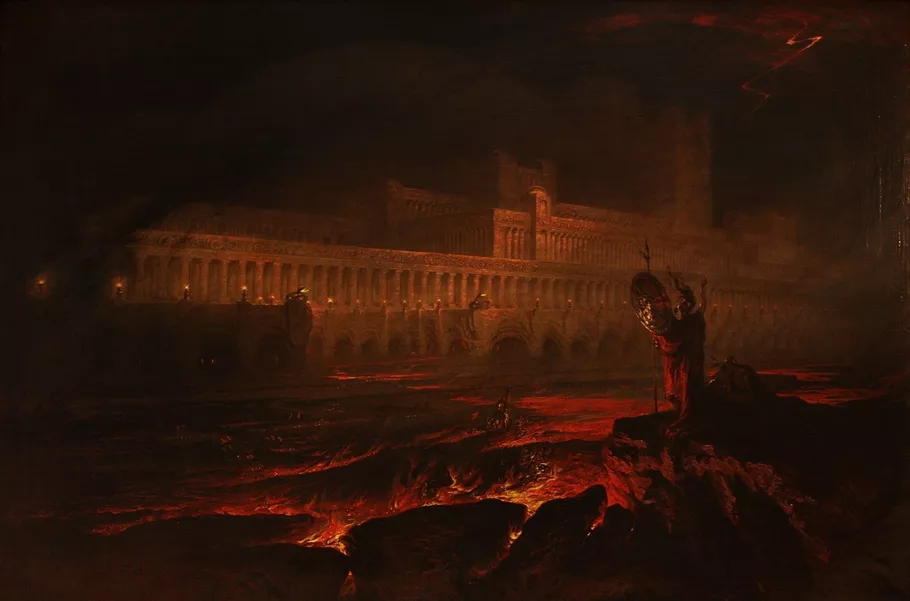
Visions of Hell in Art and Culture: The Hellscape

ursustel.net – The concept of Hell has fascinated humanity for centuries, serving as a powerful motif in art, literature, and culture. It is a realm of eternal punishment, a place of suffering and torment for the wicked. This article explores the various representations of Hell in art and culture, delving into the different interpretations and the impact they have had on our collective imagination.

The Origins of Hell

The idea of Hell can be traced back to ancient civilizations, where it was often depicted as a dark, subterranean world. In Mesopotamian mythology, for example, the underworld was ruled by the goddess Ereshkigal. Similarly, the ancient Greeks had their version of Hell, known as Hades, presided over by the god of the same name. These early concepts laid the groundwork for later, more elaborate visions of Hell in Judeo-Christian and Islamic traditions.

Hell in Religious Art

Religious art has been a primary medium for depicting Hell, with artists interpreting sacred texts to create vivid images of the infernal realm. The medieval period saw the rise of detailed illustrations of Hell in illuminated manuscripts, while the Renaissance brought forth masterpieces such as Hieronymus Bosch’s “The Garden of Earthly Delights” and Dante Alighieri’s “Inferno,” which inspired countless artists, including Sandro Botticelli and Gustave DorĂ©.

The Literary Hellscape

Literature has also played a crucial role in shaping our understanding of Hell. Dante’s “Divine Comedy” is perhaps the most influential work, with its detailed nine circles of Hell. Other notable works include John Milton’s “Paradise Lost,” which portrays Satan’s rebellion and fall from Heaven, and the more contemporary “Inferno” by Dan Brown, which uses Dante’s work as a backdrop for a modern thriller.

Hell in Popular Culture

The concept of Hell has permeated popular culture, appearing in films, television shows, and video games. Movies like “The Exorcist” and “Hellraiser” tap into the fear of demonic possession and the horrors of Hell. Television series such as “Supernatural” and “The Good Place” offer modern takes on the afterlife, blending humor with existential questions. Video games like “Doom” and “Diablo” invite players to battle demons in hellish landscapes.

The Symbolism of Hell

Beyond its literal interpretations, Hell serves as a powerful symbol in art and culture. It represents the consequences of sin, the fear of death, and the struggle between good and evil. Artists and writers use the imagery of Hell to explore themes of morality, justice, and redemption, challenging viewers and readers to confront their own beliefs and fears.

Conclusion

The hellscape in art and culture is a multifaceted concept that has evolved over centuries. From religious iconography to modern entertainment, the depiction of Hell continues to captivate and terrify. As our understanding of the afterlife changes, so too will our artistic and cultural representations of Hell, ensuring that this dark realm remains a fertile ground for creative expression and contemplation.
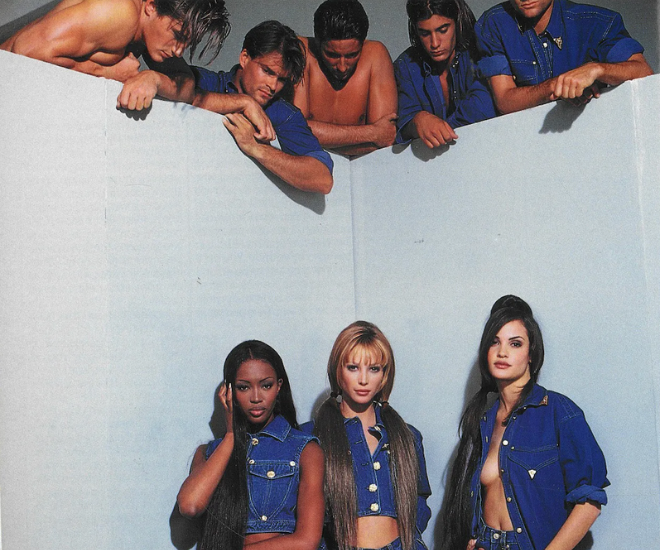
Men in Media and Culture: The Evolution of the Male Gaze

The concept of the “male gaze” has been a cornerstone in feminist film theory since Laura Mulvey first introduced it in her 1975 essay “Visual Pleasure and Narrative Cinema.” The term refers to the way women are often objectified and presented for the pleasure of a heterosexual male viewer in visual media. However, as society progresses and gender roles evolve, so too does the male gaze and the portrayal of men in media and culture. This article explores the evolution of the male gaze, examining how men are now being depicted in a more diverse and nuanced manner, reflecting broader societal shifts in gender norms and expectations.

The Traditional Male Gaze:
Historically, the male gaze has been omnipresent in media, with women frequently depicted as passive objects of desire. Men, on the other hand, were often cast as active subjects, heroes, or the bearers of the look. This dynamic reinforced traditional gender roles, with men as the dominant figures and women as the objects of their desire. This portrayal not only objectified women but also limited the ways in which men could be represented, often confining them to stereotypical roles of strength, power, and invulnerability.

The Shift in Representation:
In recent years, there has been a noticeable shift in how men are portrayed in media and culture. This change is partly due to the growing awareness of gender issues and the push for more inclusive and diverse representation. Men are increasingly being shown in a wider range of emotions and situations, breaking away from the rigid stereotypes of the past.

Diverse Masculinities:
Media is now more likely to showcase a spectrum of masculinities, acknowledging that men can be sensitive, vulnerable, and caring. Characters who defy traditional gender norms are becoming more common, challenging the notion that masculinity is synonymous with toughness and emotional stoicism. This evolution allows for a more nuanced understanding of what it means to be a man, encouraging empathy and a broader acceptance of different expressions of masculinity.

The Male Gaze on Men:
Interestingly, the male gaze is also being turned on men themselves, with an increasing emphasis on the male body as an object of desire. Advertisements, movies, and television shows now frequently feature men in states of undress or in poses that accentuate their physical attributes, much like the way women have been portrayed for decades. This shift not only reflects changing societal attitudes towards male sexuality but also suggests a reversal of the traditional power dynamics of the gaze.

The Role of Social Media:
Social media has played a significant role in the evolution of the male gaze. Platforms like Instagram and TikTok are filled with images of men who curate their appearance and present themselves in ways that are traditionally associated with female self-presentation. This has led to a more fluid understanding of who holds the gaze and who is the object of the gaze, blurring the lines between active and passive roles.

Conclusion:
The evolution of the male gaze in media and culture is a testament to the changing landscape of gender norms and expectations. Men are no longer confined to the roles of heroes or the sole bearers of the gaze; instead, they are being represented in a variety of complex and multifaceted ways. This shift not only benefits men by allowing them to express a broader range of emotions and identities but also contributes to a more equitable and inclusive society for all genders. As we continue to challenge and redefine traditional notions of masculinity, the portrayal of men in media will undoubtedly continue to evolve, reflecting the diverse and dynamic nature of humanity.