Philippines: Terrorism and Insurgency in Mindanao

ursustel.net – The Philippines, an archipelago in Southeast Asia, has long been grappling with issues of terrorism and insurgency, particularly in the southern region of Mindanao. These challenges have roots in historical, social, and political factors, including colonialism, economic disparity, and cultural and religious differences. The situation in Mindanao is complex, involving various groups with different ideologies and objectives, ranging from separatist movements to jihadist factions.

Historical Background

The conflict in Mindanao has its origins in the Spanish colonial period, where the Moros, the Muslim inhabitants of the southern Philippines, resisted Spanish rule. This resistance continued during the American occupation and the Japanese invasion. Post-independence, the central government’s neglect and marginalization of the Muslim population led to the rise of separatist movements, most notably the Moro National Liberation Front (MNLF) in the 1970s.

The Moro Conflict

The Moro conflict is primarily a struggle for self-determination by the Muslim population in Mindanao. The MNLF, and later its offshoot, the Moro Islamic Liberation Front (MILF), have been involved in armed conflict with the Philippine government. Over the years, there have been several peace agreements and negotiations, but the situation remains volatile.

Rise of Terrorism

In addition to the separatist movements, Mindanao has also seen the rise of terrorist groups, most notably the Abu Sayyaf Group (ASG). The ASG is known for its involvement in kidnappings, bombings, and beheadings. It has links with international terrorist organizations, including al-Qaeda, and has pledged allegiance to the Islamic State (IS).

Insurgency and the Communist Rebellion

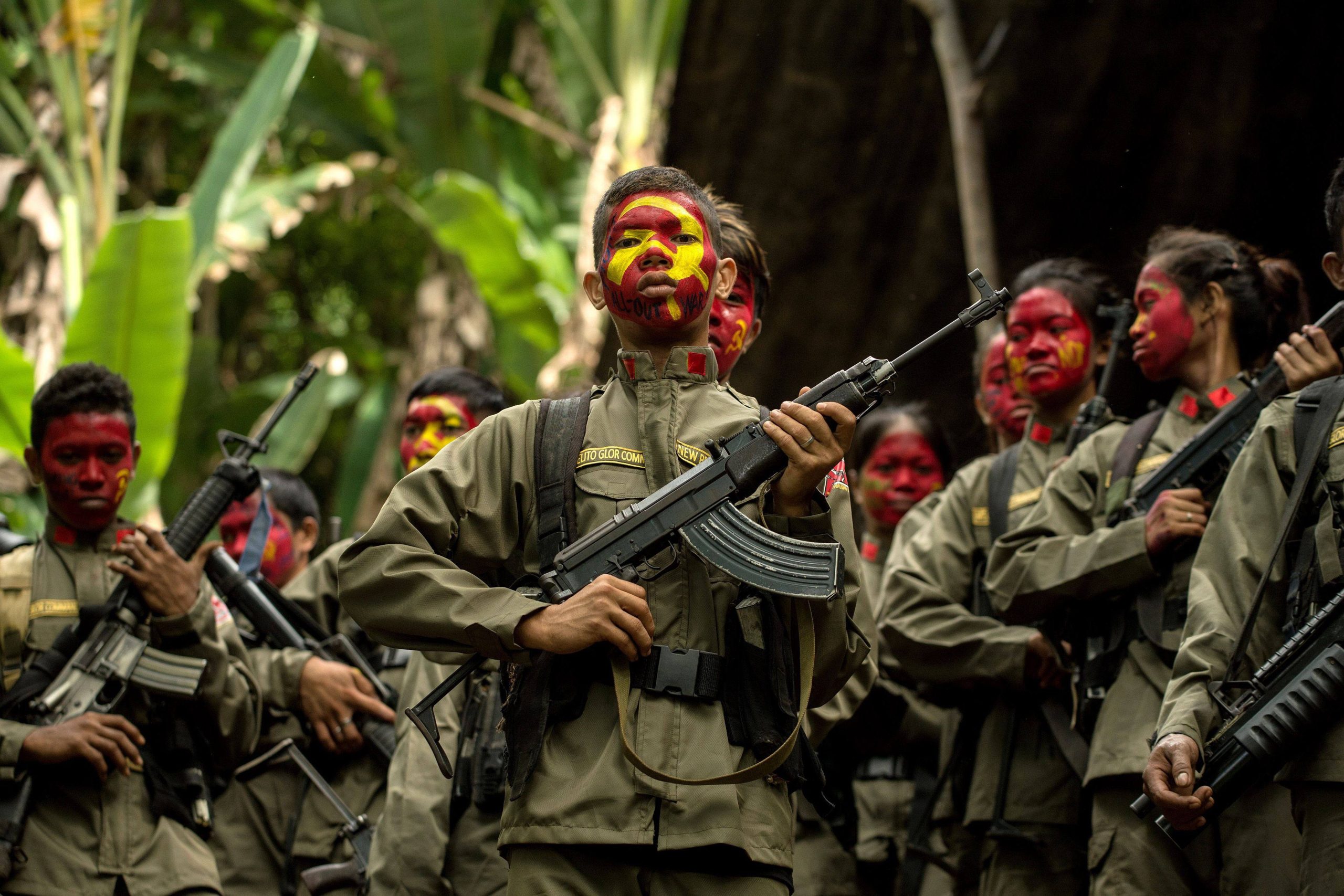
The New People’s Army (NPA), the armed wing of the Communist Party of the Philippines, has been waging a guerrilla war against the government since the 1960s. Although primarily active in the rural areas of Luzon and the Visayas, the NPA also has a presence in parts of Mindanao. The insurgency is driven by a desire to overthrow the government and establish a communist state.

Government Response and Peace Efforts

The Philippine government has taken various measures to address the issues of terrorism and insurgency in Mindanao. These include military operations, peace negotiations, and socio-economic development programs. The Bangsamoro Autonomous Region in Muslim Mindanao (BARMM) was established in 2019 as part of a peace agreement with the MILF, aiming to provide greater autonomy to the Muslim population and address the root causes of the conflict.

Challenges and Prospects for Peace

Despite these efforts, challenges remain. The presence of terrorist groups, internal divisions within the Moro and communist movements, and socio-economic issues continue to pose threats to peace and stability in Mindanao. The success of peace efforts will depend on the government’s ability to address these challenges and foster genuine reconciliation and development in the region.

Conclusion

The situation in Mindanao is a testament to the complex nature of terrorism and insurgency, rooted in historical grievances and socio-economic disparities. While there have been significant strides towards peace, the path forward is fraught with challenges. The Philippine government, along with the international community, must continue to work towards a comprehensive solution that addresses the root causes of the conflict and promotes lasting peace and development in Mindanao.
Tales Woven Under the Stars: Moroccan Storytelling

ursustel.net – In the heart of Morocco, where the desert sands meet the starlit sky, an ancient tradition thrives—a tradition that has been passed down through generations, weaving tales as intricate as the patterns on a Moroccan rug. This is the art of Moroccan storytelling, a captivating blend of folklore, mythology, and cultural heritage that has enchanted listeners for centuries.

The Heart of Moroccan Culture

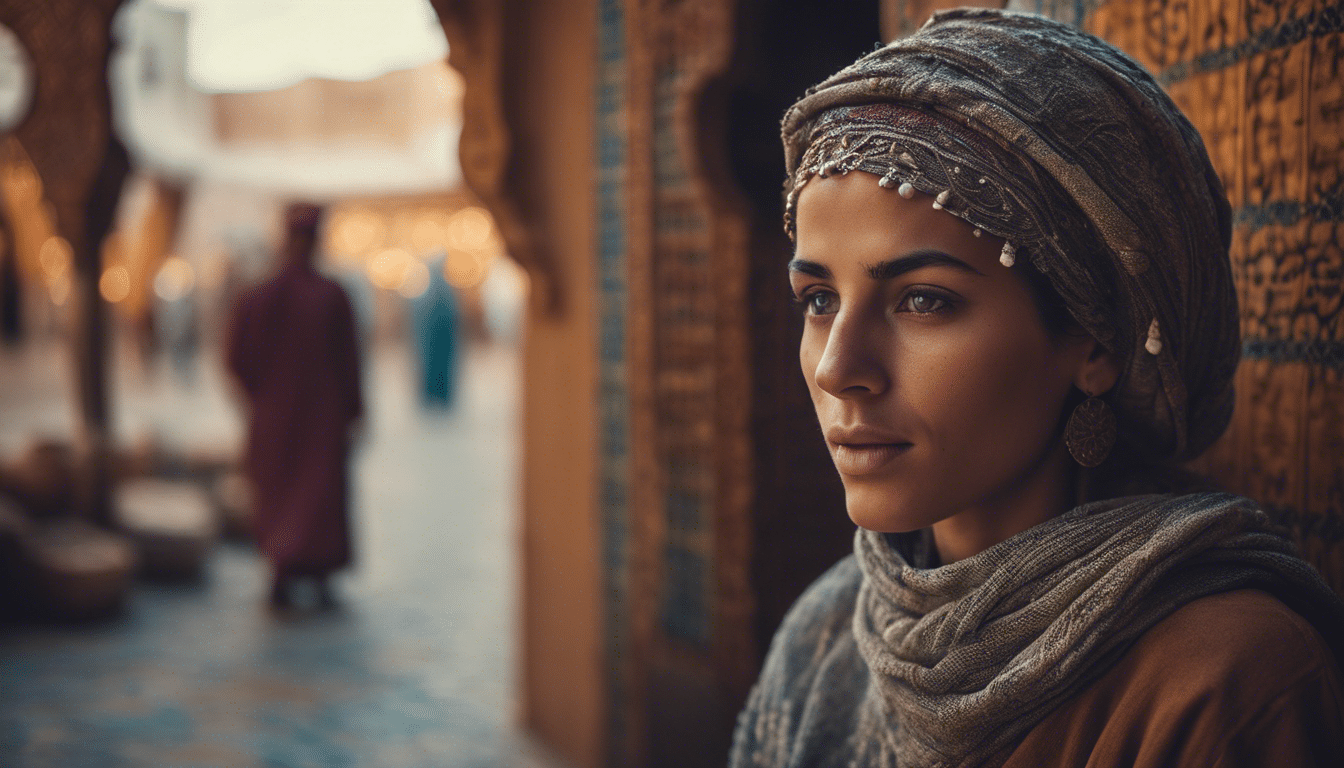
Storytelling in Morocco is more than just a pastime; it is a cornerstone of the country’s cultural identity. It is a way to preserve history, impart wisdom, and entertain. These stories, often told around campfires or in the bustling squares of cities like Marrakech, are windows into the soul of Morocco, reflecting its rich diversity, its struggles, and its triumphs.

Tales of Djinns, Heroes, and Legends

The tales that emerge from Moroccan storytelling are as varied as the landscapes of the country itself. From stories of djinns (genies) that inhabit the desert sands to tales of heroism and adventure, each narrative is a tapestry of imagination and tradition. One of the most famous collections of Moroccan folktales is “One Thousand and One Nights” (also known as “Arabian Nights”), which features the cunning and clever Scheherazade, who saves her own life by entertaining a king with stories every night.

The Art of the Storyteller

The Moroccan storyteller, or “hakawati,” is a master of their craft. With a voice that can captivate an audience and transport them to another world, the hakawati uses gestures, facial expressions, and changes in tone to bring their tales to life. They are not just narrators but performers, embodying each character and making the stories as vivid as possible.

Preserving the Tradition

In an era where technology and modern entertainment dominate, Moroccan storytelling faces challenges. However, efforts are being made to preserve this tradition. Festivals and cultural events celebrate Moroccan folklore, and storytelling workshops are held to teach the younger generation the art of storytelling. Additionally, many storytellers are now recording their tales, ensuring that these narratives are not lost to time.

A Journey Through Time

Listening to a Moroccan storyteller is like embarking on a journey through time. It is an opportunity to experience the magic of oral tradition, to learn about a culture’s history and values, and to be reminded of the power of storytelling to connect us, even across vast distances of time and space.

Conclusion

Moroccan storytelling is a testament to the enduring power of narrative. It is a bridge between the past and the present, a means of cultural transmission, and a source of entertainment and wisdom. As the stars twinkle above the desert sands, the tales woven by Moroccan storytellers continue to captivate and inspire, reminding us of the universal language of storytelling that unites us all.

Literature and Art: The Poetic Soul of Iran

Iran, a country with a rich tapestry of history and culture, has long been celebrated for its profound contributions to the world of literature and art. The poetic soul of Iran is deeply ingrained in its people, landscapes, and the very air that one breathes when walking through the ancient streets of cities like Isfahan, Shiraz, and Tehran. This article delves into the heart of Iran’s literary and artistic heritage, exploring the timeless beauty and profound influence of its poets, painters, and calligraphers.

The Literary Giants

Iran’s literary tradition is as old as the civilization itself. The country has produced some of the most revered poets in the Persian language, whose works have transcended time and geography to touch the hearts of millions worldwide. Among these literary giants are Ferdowsi, Rumi, Hafez, Saadi, and Khayyam, each of whom has left an indelible mark on the world’s literary landscape.

Ferdowsi’s “Shahnameh” (The Book of Kings) is an epic poem that encapsulates the history and mythology of ancient Persia. It is not just a literary masterpiece but also a symbol of Iranian identity and resilience. Rumi, a 13th-century poet, is celebrated for his mystical poetry that speaks of love, divine unity, and the beauty of the soul. His works, particularly “The Masnavi,” have been translated into numerous languages and continue to inspire people across the globe.

Hafez, the beloved poet of Shiraz, is known for his lyrical poetry that explores themes of love, wine, and mysticism. His ghazals (love poems) are filled with a deep sense of longing and spiritual quest, making him one of the most popular poets in Iran and beyond. Saadi’s moral stories and poems, collected in “Golistan” (The Rose Garden) and “Bustan” (The Orchard), offer profound insights into human nature and ethics.

Omar Khayyam, the mathematician-poet, is famous for his “Rubaiyat,” a collection of quatrains that reflect on the transient nature of life and the pursuit of pleasure. These works, translated and popularized in the West, have contributed significantly to the global appreciation of Persian poetry.

Visual Arts and Calligraphy

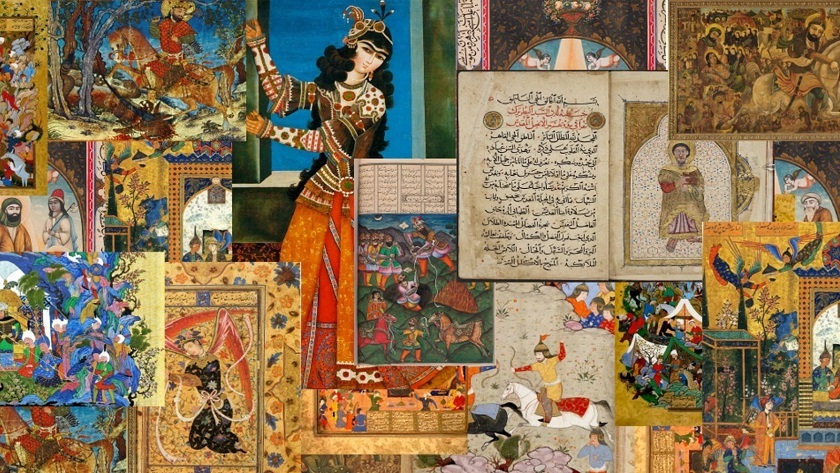
The visual arts in Iran are as rich and varied as its literature. Miniature painting, a delicate art form that flourished under the patronage of various dynasties, is characterized by its intricate detail and vibrant colors. These paintings often illustrated manuscripts of literary works, bringing the stories and poetry to life with exquisite beauty.

Calligraphy, the art of beautiful writing, holds a special place in Iranian culture. It is not just a means of communication but an expression of spirituality and aesthetic perfection. The Persian script, with its cursive elegance, has been used to adorn manuscripts, tiles, and architectural elements, showcasing the harmony between word and image.

Iranian architecture, too, is a testament to the country’s artistic prowess. From the stunning tilework of the Sheikh Lotfollah Mosque in Isfahan to the geometric precision of the Darb-e Imam shrine, Iranian buildings are masterpieces of design and craftsmanship. The use of calligraphy and geometric patterns in architectural decoration reflects the deep interconnection between art, spirituality, and daily life in Iran.

The Legacy

The poetic soul of Iran, embodied in its literature and art, is a testament to the enduring spirit of its people. Despite the vicissitudes of history, the works of Iranian poets and artists continue to inspire and provoke thought, reminding us of the universal themes that bind humanity together. The legacy of Iran’s literary and artistic heritage is a priceless gift to the world, a reminder of the power of beauty and the human spirit to transcend the barriers of time and space.

In conclusion, the poetic soul of Iran is a beacon of light that illuminates the path of human creativity and spirituality. Through its literature and art, Iran has contributed immeasurably to the cultural tapestry of the world, offering a glimpse into the depth and richness of its civilization. As we continue to explore and appreciate the works of Iranian poets and artists, we are reminded of the universal quest for beauty, truth, and the eternal questions of the human condition.