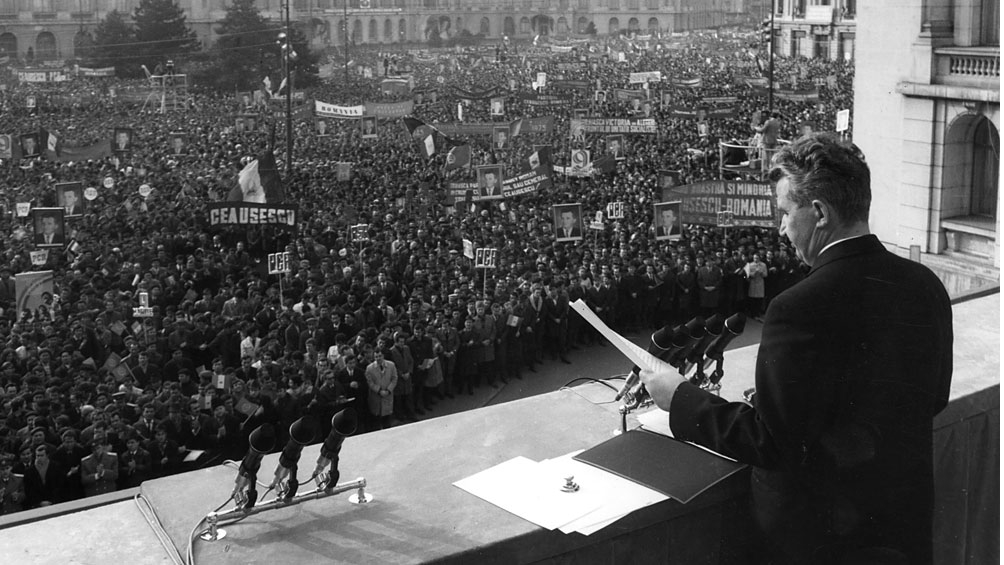
Legacy and Transformation: Romania’s Communist Era

ursustel.net – The communist era in Romania, spanning from the end of World War II in 1945 to the fall of Nicolae Ceaușescu’s regime in 1989, was a period marked by significant political, social, and economic changes. This period left a profound legacy on the country, influencing its subsequent development and transformation. This article explores the complexities of Romania’s communist past, its enduring legacies, and the path of transformation that followed the fall of communism.

The Rise of Communism in Romania

After World War II, Romania, like many Eastern European countries, fell under the influence of the Soviet Union. The Communist Party, with Soviet support, gradually consolidated its power, leading to the establishment of a single-party state by 1948. The early years of communist rule saw significant efforts to restructure Romanian society and economy according to Marxist-Leninist principles.

The Ceaușescu Regime

Nicolae Ceaușescu, who came to power in 1965, initially pursued a more independent foreign policy compared to other Warsaw Pact countries. However, his regime became increasingly authoritarian and repressive. The 1980s, in particular, were marked by severe economic hardship, extensive surveillance, and human rights abuses. Ceaușescu’s megalomaniacal projects, such as the Palace of the Parliament in Bucharest, epitomized the regime’s extravagance and disregard for the well-being of its citizens.

The Legacy of Communism

The communist era left a mixed legacy in Romania. On one hand, it brought about significant industrialization and improvements in education and healthcare. On the other hand, it was characterized by political repression, economic mismanagement, and the erosion of civil liberties. The scars of the Ceaușescu era, including the trauma of the 1989 Revolution, continue to influence Romanian society and politics.

Transformation Post-1989

The fall of the Ceaușescu regime in December 1989 marked the beginning of Romania’s transition to democracy and a market economy. This transformation was fraught with challenges, including economic instability, political corruption, and the struggle to come to terms with the communist past.

Economic Reforms and Challenges

The transition to a market economy was particularly challenging. Privatization of state-owned enterprises, restructuring of the agricultural sector, and the opening up to foreign investment were key components of the economic reform process. However, these changes led to significant social costs, including unemployment and income inequality.

Political and Social Changes

Politically, Romania has made significant strides in establishing democratic institutions and the rule of law. The country joined NATO in 2004 and the European Union in 2007, marking its full integration into the Euro-Atlantic community. However, issues such as corruption and the influence of the past on current politics remain significant challenges.

Dealing with the Past

One of the most complex aspects of Romania’s transformation has been coming to terms with its communist past. This includes the process of lustration (vetting of former communist officials), the investigation of crimes committed under the communist regime, and the broader societal discussion about the legacy of communism.

Conclusion

Romania’s communist era was a period of profound transformation and upheaval, leaving a complex legacy that continues to influence the country’s development. The path of transformation since 1989 has been challenging, marked by significant achievements as well as ongoing struggles. As Romania continues to navigate its past and present, the lessons of the communist era remain a crucial part of its national narrative and identity.

History and Expansion: The Spread of Islam

ursustel.net – The spread of Islam from its birthplace in the Arabian Peninsula to its current status as a global religion is a remarkable journey that spans over 14 centuries. This article explores the historical account of how Islam expanded from a local faith in the 7th century to a world religion with a significant presence across the globe.

The Birth of Islam

Islam was founded by Prophet Muhammad in the early 7th century in Mecca, present-day Saudi Arabia. Initially, the new faith faced opposition from the polytheistic tribes of the Arabian Peninsula. However, after the Prophet’s migration to Medina in 622 CE (the event known as the Hijra, which marks the beginning of the Islamic calendar), Islam began to gain followers and establish a political and social order.

The Rashidun Caliphate and Early Expansion

After the death of Prophet Muhammad in 632 CE, his successors, known as the Rashidun Caliphs, led the early Muslim community. Under their leadership, Islam began to spread rapidly through military conquests and peaceful conversions. The Islamic armies, motivated by religious zeal and the promise of booty, swiftly conquered vast territories, including the Byzantine provinces of Syria and Egypt, and the Persian Sassanian Empire.

The Umayyad and Abbasid Caliphates

The Umayyad Caliphate (661-750 CE) continued the expansion of Islam into the Iberian Peninsula, North Africa, and Central Asia. The Abbasid Caliphate (750-1258 CE), which succeeded the Umayyads, shifted the center of the Islamic world to Baghdad and further expanded Islamic influence into the Indian subcontinent and the Sahel region of Africa.

Trade and Cultural Exchange

Trade played a significant role in the spread of Islam. Muslim traders traveled across the Silk Road, Indian Ocean, and Saharan routes, spreading the faith through peaceful means. The establishment of Islamic schools and universities, such as Al-Azhar in Cairo and the House of Wisdom in Baghdad, attracted scholars from various parts of the world, further disseminating Islamic culture and knowledge.

Sufism and the Spread of Islam

Sufism, the mystical aspect of Islam, played a crucial role in the spread of Islam, particularly in South Asia and sub-Saharan Africa. Sufi saints and missionaries, with their emphasis on personal piety and spiritual experience, appealed to many non-Muslims, leading to large-scale conversions.

The Ottoman Empire and the Spread of Islam in Europe

The Ottoman Empire, which emerged in the late medieval period, became a significant force in the spread of Islam in Europe. Through military conquests, the Ottomans expanded into the Balkans, bringing Islam to regions that had previously been under Christian rule.

Modern Expansion and Globalization

In the modern era, migration, colonialism, and globalization have played significant roles in the spread of Islam. The Islamic diaspora, particularly in the West, has contributed to the visibility and growth of the Muslim community worldwide. Additionally, the establishment of Islamic organizations and the use of media and the internet have facilitated the spread of Islamic teachings and practices globally.

Conclusion

The spread of Islam from a local faith in the Arabian Peninsula to a global religion is a testament to its resilience and adaptability. Through military conquests, trade, cultural exchange, and the efforts of missionaries and scholars, Islam has become one of the world’s major religions, with a rich history and a diverse global community. The story of Islam’s expansion is not just a narrative of territorial growth but also a journey of cultural exchange, spiritual exploration, and the evolution of a faith that continues to shape the lives of millions around the world.

Slot Scatter Hitam Slot PG Soft: Cara Mudah Menghubungi Layanan Pelanggan dan Dukungan

Slot Scatter Hitam PG Soft adalah permainan slot online yang menawarkan pengalaman bermain yang menarik dan menghibur. Namun, seperti halnya permainan lainnya, Anda mungkin akan menemui masalah atau memiliki pertanyaan selama permainan. Berikut adalah cara mudah untuk menghubungi layanan pelanggan dan dukungan jika Anda membutuhkan bantuan:

Mengapa Anda Mungkin Membutuhkan Bantuan

Sebelum memulai, mari kita bahas beberapa alasan mengapa Anda mungkin membutuhkan bantuan dari layanan pelanggan:

  • Masalah Teknis: Anda mungkin mengalami masalah teknis seperti kesulitan dalam mengunduh atau memuat permainan, atau bug dalam permainan itu sendiri.
  • Pertanyaan tentang Permainan: Anda mungkin memiliki pertanyaan tentang aturan permainan, fitur-fitur tertentu, atau cara bermain yang efektif.
  • Masalah Deposit atau Penarikan: Anda mungkin mengalami kesulitan dalam melakukan deposit atau penarikan, atau memiliki pertanyaan tentang prosesnya.
  • Informasi Akun: Anda mungkin membutuhkan bantuan untuk mengatasi masalah login, atau membutuhkan bantuan untuk mengubah informasi akun Anda.

Cara Menghubungi Layanan Pelanggan

  1. Live Chat: Banyak platform perjudian online menawarkan layanan live chat yang memungkinkan Anda untuk berkomunikasi langsung dengan representatif layanan pelanggan. Cari ikon atau tombol live chat di halaman utama dan klik untuk memulai percakapan.
  2. Email: Anda juga bisa menghubungi layanan pelanggan melalui email. Cari alamat email layanan pelanggan di bagian “Hubungi Kami” atau “Bantuan” di situs web platform perjudian Anda. Kirim email yang menjelaskan masalah atau pertanyaan Anda, sertakan detail yang relevan seperti nama pengguna dan nomor akun jika diperlukan.
  3. Telepon: Beberapa platform juga menawarkan layanan telepon untuk dukungan langsung. Cari nomor telepon layanan pelanggan di situs web dan hubungi mereka untuk bantuan.
  4. FAQ: Sebelum menghubungi layanan pelanggan, cek terlebih dahulu bagian Pertanyaan Umum (FAQ) di situs web. Banyak pertanyaan umum seperti cara mendaftar, melakukan deposit, atau aturan permainan mungkin sudah dijawab di sana.

Tips untuk Komunikasi Efektif

  • Deskripsikan Masalah dengan Jelas: Berikan deskripsi yang jelas dan detail tentang masalah atau pertanyaan Anda. Ini akan membantu tim dukungan untuk memahami dan menyelesaikan masalah Anda lebih cepat.
  • Sertakan Informasi Relevan: Jika masalah terkait dengan akun Anda, sertakan informasi seperti nama pengguna, nomor akun, atau alamat email yang terdaftar.
  • Tetap Sabar dan Profesional: Tim layanan pelanggan akan berusaha sebaik mungkin untuk membantu Anda. Tetap sabar dan profesional selama proses komunikasi.

Keuntungan Menghubungi Layanan Pelanggan

  • Solusi Cepat: Menghubungi layanan pelanggan dapat memberikan solusi cepat untuk masalah Anda, memungkinkan Anda untuk kembali bermain tanpa gangguan.
  • Informasi Akurat: Tim layanan pelanggan dapat memberikan informasi yang akurat dan terkini tentang permainan, aturan, atau proses transaksi.
  • Dukungan Personal: Dengan menghubungi layanan pelanggan, Anda mendapatkan dukungan personal yang dapat membantu menyelesaikan masalah Anda secara efektif.

Dengan cara-cara di atas, Anda dapat dengan mudah menghubungi layanan pelanggan dan dukungan jika Anda membutuhkan bantuan selama bermain Slot Scatter Hitam dari PG Soft. Tim layanan pelanggan yang responsif dan berdedikasi akan membantu Anda untuk menyelesaikan masalah dan memastikan pengalaman bermain Anda tetap menyenangkan dan tanpa gangguan.

A Call to Action: Christianity and Social Justice

ursustel.net – In the heart of Christian teachings lies a profound call to social justice, a call that beckons believers to engage actively in the betterment of society. This call is not merely an option for the devout but a fundamental aspect of their faith, rooted in the life, teachings, death, and resurrection of Jesus Christ. As Christians navigate the complexities of the modern world, the imperative to pursue social justice remains as relevant as ever. This article explores the intersection of Christianity and social justice, highlighting the biblical basis for such engagement and urging a call to action for all followers of Christ.

The Biblical Foundation for Social Justice

The Christian scriptures are replete with passages that underscore the importance of social justice. From the prophets of the Old Testament who spoke out against injustice and oppression to the teachings of Jesus in the New Testament, which emphasize compassion, love, and service to the least among us, the Bible provides a robust framework for understanding and enacting social justice.

Prophetic Voices

The Hebrew prophets, such as Isaiah, Jeremiah, and Amos, were vocal critics of social injustice. They condemned the exploitation of the poor, the corruption of leaders, and the neglect of the marginalized. Their messages were clear: true worship of God involves caring for the needs of the oppressed and working towards a more equitable society.

The Teachings of Jesus

Jesus’ life and teachings offer a compelling model for social justice. His parables, such as the Good Samaritan and the Sheep and the Goats, challenge us to see beyond our prejudices and to act with kindness and generosity towards all, especially those on the fringes of society. His actions, including healing the sick, feeding the hungry, and associating with outcasts, demonstrate a radical inclusivity and a commitment to the well-being of the whole person.

The Church’s Role in Advocating for Social Justice

The Church, as the body of Christ, is called to be a beacon of hope and a catalyst for change in the world. This involves not only individual acts of charity but also collective efforts to address systemic injustices. The Church’s role in advocating for social justice is multifaceted, encompassing education, advocacy, and direct action.

Education

Education is a critical first step in the pursuit of social justice. Churches can play a pivotal role in raising awareness about the issues that affect the most vulnerable in society. Through sermons, Bible studies, and community forums, congregations can learn about the root causes of poverty, inequality, and injustice and how they can contribute to solutions.

Advocacy

Advocacy involves using one’s voice and influence to effect change. Churches can advocate for policies and practices that promote social justice at local, national, and international levels. This might include supporting legislation that protects the rights of workers, immigrants, and the environment, or speaking out against discrimination and violence.

Direct Action

Direct action is the hands-on involvement in addressing the immediate needs of those in distress. This can take many forms, from feeding the hungry and sheltering the homeless to providing healthcare and legal aid. Such actions embody the love and compassion of Christ and make a tangible difference in people’s lives.

A Call to Action

As Christians, we are called to a life of discipleship that reflects the heart of God for justice and mercy. This call to action is not just for a select few but for every believer. It requires us to examine our lives and ask how we are responding to the needs of our neighbors and the cries of the oppressed.

Personal Reflection

Take time to reflect on your own life and your engagement with social justice issues. Consider the following questions:

  • How am I responding to the call to love my neighbor as myself?
  • In what ways am I contributing to the creation of a more just and equitable society?
  • What actions can I take to address the needs of the marginalized and oppressed?

Community Engagement

Engage with your church and community to identify opportunities for involvement in social justice initiatives. This might involve participating in a local food bank, volunteering at a shelter, or joining an advocacy group. Together, we can make a difference.

Prayer and Action

Prayer is a powerful tool in the pursuit of social justice. Pray for the wisdom to understand the issues, the courage to act, and the grace to make a positive impact. Let your prayers be accompanied by action, for faith without works is dead.

Conclusion

The call to social justice is a clarion call for all Christians. It is a call to live out our faith in a way that reflects the love and justice of God. As we respond to this call, we not only transform the world around us but also deepen our own relationship with God. Let us heed this call to action and work together to build a more just and compassionate world.

Visions of Hell in Art and Culture: The Hellscape

ursustel.net – The concept of Hell has fascinated humanity for centuries, serving as a powerful motif in art, literature, and culture. It is a realm of eternal punishment, a place of suffering and torment for the wicked. This article explores the various representations of Hell in art and culture, delving into the different interpretations and the impact they have had on our collective imagination.

The Origins of Hell

The idea of Hell can be traced back to ancient civilizations, where it was often depicted as a dark, subterranean world. In Mesopotamian mythology, for example, the underworld was ruled by the goddess Ereshkigal. Similarly, the ancient Greeks had their version of Hell, known as Hades, presided over by the god of the same name. These early concepts laid the groundwork for later, more elaborate visions of Hell in Judeo-Christian and Islamic traditions.

Hell in Religious Art

Religious art has been a primary medium for depicting Hell, with artists interpreting sacred texts to create vivid images of the infernal realm. The medieval period saw the rise of detailed illustrations of Hell in illuminated manuscripts, while the Renaissance brought forth masterpieces such as Hieronymus Bosch’s “The Garden of Earthly Delights” and Dante Alighieri’s “Inferno,” which inspired countless artists, including Sandro Botticelli and Gustave Doré.

The Literary Hellscape

Literature has also played a crucial role in shaping our understanding of Hell. Dante’s “Divine Comedy” is perhaps the most influential work, with its detailed nine circles of Hell. Other notable works include John Milton’s “Paradise Lost,” which portrays Satan’s rebellion and fall from Heaven, and the more contemporary “Inferno” by Dan Brown, which uses Dante’s work as a backdrop for a modern thriller.

Hell in Popular Culture

The concept of Hell has permeated popular culture, appearing in films, television shows, and video games. Movies like “The Exorcist” and “Hellraiser” tap into the fear of demonic possession and the horrors of Hell. Television series such as “Supernatural” and “The Good Place” offer modern takes on the afterlife, blending humor with existential questions. Video games like “Doom” and “Diablo” invite players to battle demons in hellish landscapes.

The Symbolism of Hell

Beyond its literal interpretations, Hell serves as a powerful symbol in art and culture. It represents the consequences of sin, the fear of death, and the struggle between good and evil. Artists and writers use the imagery of Hell to explore themes of morality, justice, and redemption, challenging viewers and readers to confront their own beliefs and fears.

Conclusion

The hellscape in art and culture is a multifaceted concept that has evolved over centuries. From religious iconography to modern entertainment, the depiction of Hell continues to captivate and terrify. As our understanding of the afterlife changes, so too will our artistic and cultural representations of Hell, ensuring that this dark realm remains a fertile ground for creative expression and contemplation.

Philippines: Terrorism and Insurgency in Mindanao

ursustel.net – The Philippines, an archipelago in Southeast Asia, has long been grappling with issues of terrorism and insurgency, particularly in the southern region of Mindanao. These challenges have roots in historical, social, and political factors, including colonialism, economic disparity, and cultural and religious differences. The situation in Mindanao is complex, involving various groups with different ideologies and objectives, ranging from separatist movements to jihadist factions.

Historical Background

The conflict in Mindanao has its origins in the Spanish colonial period, where the Moros, the Muslim inhabitants of the southern Philippines, resisted Spanish rule. This resistance continued during the American occupation and the Japanese invasion. Post-independence, the central government’s neglect and marginalization of the Muslim population led to the rise of separatist movements, most notably the Moro National Liberation Front (MNLF) in the 1970s.

The Moro Conflict

The Moro conflict is primarily a struggle for self-determination by the Muslim population in Mindanao. The MNLF, and later its offshoot, the Moro Islamic Liberation Front (MILF), have been involved in armed conflict with the Philippine government. Over the years, there have been several peace agreements and negotiations, but the situation remains volatile.

Rise of Terrorism

In addition to the separatist movements, Mindanao has also seen the rise of terrorist groups, most notably the Abu Sayyaf Group (ASG). The ASG is known for its involvement in kidnappings, bombings, and beheadings. It has links with international terrorist organizations, including al-Qaeda, and has pledged allegiance to the Islamic State (IS).

Insurgency and the Communist Rebellion

The New People’s Army (NPA), the armed wing of the Communist Party of the Philippines, has been waging a guerrilla war against the government since the 1960s. Although primarily active in the rural areas of Luzon and the Visayas, the NPA also has a presence in parts of Mindanao. The insurgency is driven by a desire to overthrow the government and establish a communist state.

Government Response and Peace Efforts

The Philippine government has taken various measures to address the issues of terrorism and insurgency in Mindanao. These include military operations, peace negotiations, and socio-economic development programs. The Bangsamoro Autonomous Region in Muslim Mindanao (BARMM) was established in 2019 as part of a peace agreement with the MILF, aiming to provide greater autonomy to the Muslim population and address the root causes of the conflict.

Challenges and Prospects for Peace

Despite these efforts, challenges remain. The presence of terrorist groups, internal divisions within the Moro and communist movements, and socio-economic issues continue to pose threats to peace and stability in Mindanao. The success of peace efforts will depend on the government’s ability to address these challenges and foster genuine reconciliation and development in the region.

Conclusion

The situation in Mindanao is a testament to the complex nature of terrorism and insurgency, rooted in historical grievances and socio-economic disparities. While there have been significant strides towards peace, the path forward is fraught with challenges. The Philippine government, along with the international community, must continue to work towards a comprehensive solution that addresses the root causes of the conflict and promotes lasting peace and development in Mindanao.

An Historical Overview of Adornment: Jewelry Through Time

ursustel.net – The history of jewelry is as old as human civilization itself. The earliest forms of adornment were likely made from natural materials such as shells, bones, and stones. These primitive pieces were not only aesthetic expressions but also served as symbols of status, wealth, and even magical protection. Ancient civilizations like the Egyptians, Mesopotamians, and Indus Valley peoples crafted intricate jewelry from gold, silver, and precious stones, often incorporating religious and cultural motifs.

The Classical Era: Greeks and Romans

The Greeks and Romans elevated jewelry-making to an art form, with the Greeks favoring delicate gold work and the Romans embracing a more ostentatious style. The Romans were particularly known for their use of cameos and intaglios, carved gemstones that were used for personal adornment as well as for seals and signet rings.

The Middle Ages: Symbolism and Function

During the Middle Ages, jewelry took on a more symbolic role, often representing religious devotion or social status. The Crusades introduced new materials and techniques to Europe, and the wealthy wore jewelry as a display of wealth and power. The Church also played a significant role in the design and use of jewelry, with many pieces incorporating Christian motifs.

The Renaissance: A Rebirth of Elegance

The Renaissance brought about a revival of classical motifs and a renewed interest in beauty and elegance. Goldsmiths and jewelers of this era created masterpieces that were both wearable and works of art, often incorporating enameling and intricate metalwork. The portrait miniature, a small, detailed painting set into a piece of jewelry, became a popular form of personal remembrance.

The Baroque and Rococo: Extravagance and Opulence

The Baroque and Rococo periods were characterized by their extravagance and opulence. Jewelry from these eras featured elaborate designs, with a focus on curves, asymmetry, and the use of precious stones and metals. The rise of the diamond as a symbol of wealth and status began during this time, thanks in part to advancements in cutting techniques that allowed the stones to capture and reflect light more brilliantly.

The Industrial Revolution: Mass Production and New Materials

The Industrial Revolution transformed the jewelry industry by introducing mass production techniques. This made jewelry more accessible to the middle class and led to the development of new materials such as costume jewelry, which mimicked the look of precious metals and stones at a fraction of the cost.

The 20th Century: Modernism and Beyond

The 20th century saw a radical departure from traditional jewelry design with the advent of Art Nouveau, Art Deco, and later, modernist movements. These styles embraced new materials, techniques, and a more abstract approach to design. The latter half of the century also saw the rise of celebrity jewelry designers and the influence of pop culture on jewelry trends.

Contemporary Jewelry: Innovation and Individuality

Today, jewelry continues to evolve, with contemporary designers pushing the boundaries of traditional techniques and materials. Sustainability has become a significant concern, leading to the use of recycled materials and ethically sourced gemstones. Personalization and individuality are also key trends, with many consumers seeking unique pieces that tell a story or reflect their personal style.

Conclusion

Throughout history, jewelry has been more than just an adornment; it has been a reflection of the cultural, social, and technological developments of each era. From the simple beads of prehistoric peoples to the high-tech creations of today’s designers, jewelry remains a powerful form of self-expression and a timeless symbol of beauty and value.

Breaking Barriers in Basketball: The Trailblazing Career of Nancy Lieberman

ursustel.net – Nancy Lieberman, a name synonymous with trailblazing and resilience in the world of basketball, has left an indelible mark on the sport. Known for her remarkable skills on the court and her unwavering determination to break barriers, Lieberman’s journey is a testament to the power of perseverance and the importance of breaking down gender stereotypes.

Early Life and Career Beginnings

Born on July 1, 1958, in Brooklyn, New York, Nancy Lieberman was introduced to basketball at a young age. Her passion for the game was evident from the start, and she quickly became a standout player in high school. Lieberman’s talent and dedication earned her a scholarship to play at Old Dominion University, where she continued to excel. Her college career was marked by numerous accolades, including being named the first-ever female recipient of the prestigious Frances Pomeroy Naismith Award in 1980.

Pioneering in the Professional Arena

After college, Lieberman’s journey took her to the professional leagues, where she became a pioneer for women’s basketball. She played in various professional leagues, including the Women’s Professional Basketball League (WPBL) and the Ladies Professional Basketball Association (LPBA), showcasing her exceptional skills and leadership on the court. Lieberman’s ability to score, defend, and lead her teams to victories made her a star player, and she was named the Most Valuable Player of the WPBL in 1981.

Breaking Barriers

Nancy Lieberman’s career is marked by numerous firsts, making her a trailblazer for women in basketball. She was the first female to play in a men’s professional basketball league, suiting up for the Springfield Fame in the United States Basketball League (USBL) in 1986. This groundbreaking move not only showcased her talent but also challenged the gender norms of the time, paving the way for future generations of female athletes.

Coaching and Broadcasting Career

Beyond her playing career, Lieberman has made significant contributions to basketball through coaching and broadcasting. She has coached both men’s and women’s teams, including the Detroit Shock of the WNBA, which she led to the championship in 2008. Lieberman’s insights and analysis have also been a valuable asset in her role as a basketball broadcaster, where she has provided commentary for various networks, furthering her impact on the sport.

Legacy and Impact

Nancy Lieberman’s legacy is not just in the records she set or the championships she won but in the barriers she broke and the doors she opened for women in basketball. Her relentless pursuit of excellence and her commitment to challenging gender stereotypes have inspired countless athletes. Lieberman’s induction into the Naismith Memorial Basketball Hall of Fame in 1996 is a testament to her enduring impact on the sport.

As Nancy Lieberman continues to contribute to basketball through various roles, her legacy as a trailblazer remains an inspiration to all who aspire to break barriers and achieve greatness in the face of adversity. Her story is a powerful reminder of the importance of perseverance, leadership, and the relentless pursuit of one’s dreams.

The Charming Sister: Penelope Scotland Disick

ursustel.net – Penelope Scotland Disick, born on July 8, 2012, is not just another celebrity kid; she is the epitome of charm and grace in the world of reality TV and social media. Known for her adorable antics and undeniable cuteness, Penelope has captured the hearts of many, proving that she is more than just a Kardashian-Jenner clan member.

A Star in Her Own Right

Despite being only a few years old, Penelope has already made a name for herself. Her parents, Kourtney Kardashian and Scott Disick, often share glimpses of her life on social media, showcasing her playful spirit and close bond with her siblings, Mason and Reign. Penelope’s presence on “Keeping Up with the Kardashians” has also endeared her to fans, who love watching her grow up on screen.

The Sisterly Bond

One of the most heartwarming aspects of Penelope’s life is her relationship with her siblings. Mason, the eldest, often takes on a protective role, while Reign and Penelope share a special bond as the younger siblings. Their interactions, filled with laughter and occasional squabbles, are a testament to the strong family values instilled in them. Penelope’s role as a sister is not just about being the middle child; she is the charming glue that holds her siblings together, creating memories that will last a lifetime.

Fashion Forward

Like her mother and aunts, Penelope has a keen sense of style. Her fashion choices, often curated by Kourtney, are both adorable and chic, making her a mini-fashion icon. Whether she’s attending family events or just enjoying a day out, Penelope’s outfits are always on point, reflecting her playful yet sophisticated personality.

A Philanthropic Heart

Despite her young age, Penelope has already shown signs of a philanthropic heart. Following in the footsteps of her family, who are involved in various charitable causes, Penelope has been introduced to the importance of giving back. Her involvement in family-led initiatives, even in a small way, highlights her compassionate nature and sets a positive example for her peers.

Conclusion

Penelope Scotland Disick is more than just a celebrity kid; she is a charming sister, a fashion icon in the making, and a compassionate soul. Her journey, captured through the lens of reality TV and social media, showcases the beauty of childhood, the strength of family bonds, and the joy of growing up surrounded by love. As she continues to navigate her way through life, Penelope’s charm and grace will undoubtedly continue to captivate and inspire those around her.

The Irish-New Zealand Model Sensation: Stella Maxwell

ursustel.net – In the ever-evolving world of fashion and modeling, few individuals manage to capture the essence of both elegance and versatility. Stella Maxwell, an Irish-New Zealand model, has not only captured the attention of the fashion world but has also become a sensation, known for her striking features, unique charm, and undeniable talent. Born in Northern Ireland and raised in Wellington, New Zealand, Maxwell’s journey from a small town to the global runways is nothing short of inspiring.

Early Beginnings and Discovery

Stella Maxwell’s journey into the spotlight began in her early teens. Despite her initial aspirations to become a lawyer, Maxwell’s life took a dramatic turn when she was discovered by an international model scout at the tender age of 13. However, it wasn’t until she was 16 that she decided to pursue modeling seriously, leading her to move to Australia to further her career. Her unique blend of Irish and New Zealand heritage, combined with her striking looks, quickly caught the attention of the modeling industry.

Breaking into the Fashion World

Maxwell’s big break came when she was signed by a prestigious modeling agency in New York. This move marked the beginning of her international modeling career, with her first major runway show being for designer Marc Jacobs. Since then, Maxwell has walked for numerous high-profile designers, including Victoria’s Secret, where she became a coveted Angel. Her ability to effortlessly transition from high fashion to commercial work has solidified her status as a top model.

Beyond the Runway

Beyond her work on the runway, Stella Maxwell has also made a name for herself in the world of fashion photography. Her unique look and magnetic presence have made her a favorite among photographers and designers alike. Maxwell has graced the covers of numerous international magazines and has been featured in campaigns for some of the world’s most renowned brands.

Philanthropy and Activism

In addition to her modeling career, Maxwell is also an active philanthropist and advocate for various social causes. She has used her platform to raise awareness about issues such as LGBTQ+ rights, environmental conservation, and mental health. Maxwell’s commitment to making a positive impact in the world has endeared her to fans and peers alike.

Conclusion

Stella Maxwell’s journey from a small town in New Zealand to becoming an international model sensation is a testament to her hard work, talent, and determination. Her ability to captivate audiences with her unique blend of elegance and versatility has made her one of the most sought-after models in the industry. Beyond her professional achievements, Maxwell’s dedication to philanthropy and activism highlights her desire to make a meaningful impact beyond the runway. As she continues to navigate the fashion world, it’s clear that Stella Maxwell is not just a model; she’s a role model, inspiring others to pursue their dreams and make a difference in the world.