Turnamen Game Online di Medusa88: Pengalaman Penggemar dan Tips untuk Meningkatkan Skill

Dunia game online telah mengalami pertumbuhan yang signifikan dalam beberapa dekade terakhir, dan medusa88 adalah salah satu platform yang telah menjadi tempat berkumpulnya banyak penggemar game online. Turnamen game online di Medusa88 menawarkan penggemar dan pemain kesempatan untuk menguji kemampuan mereka, bersaing melawan pemain lain, dan berpeluang memenangkan hadiah menarik. Namun, untuk mencapai tingkat skill yang lebih tinggi dan meningkatkan peluang menang, diperlukan strategi dan tips yang tepat. Berikut adalah pengalaman penggemar dan tips untuk meningkatkan skill dalam turnamen game online di Medusa88.

Pengalaman Penggemar

Sebagai penggemar game online, turnamen di Medusa88 memberikan pengalaman yang tidak terlupakan. Berikut adalah beberapa pengalaman yang sering dilaporkan oleh penggemar:

  1. Keseruan Bersaing: Turnamen game online memberikan kesempatan untuk bersaing melawan pemain dari berbagai latar belakang. Ini menambahkan elemen keseruan dan tantangan yang tidak ditemukan dalam permainan reguler.
  2. Peluang untuk Meningkatkan Skill: Dengan berpartisipasi dalam turnamen, penggemar dapat meningkatkan skill mereka melalui pengalaman praktis dan interaksi dengan pemain lain.
  3. Komunitas yang Ramah: Medusa88 memiliki komunitas penggemar yang ramah dan mendukung. Ini menciptakan lingkungan yang positif dan menarik untuk bermain.
  4. Hadiah Menarik: Turnamen di Medusa88 sering kali menawarkan hadiah menarik, mulai dari uang tunai hingga item eksklusif dalam game. Ini menjadi motivasi tambahan bagi penggemar untuk terus berpartisipasi.

Tips untuk Meningkatkan Skill

Untuk meningkatkan skill dan peluang menang dalam turnamen game online di Medusa88, berikut adalah beberapa tips yang dapat Anda terapkan:

  1. Pahami Aturan dan Mekanisme Game
    • Sebelum memulai, pastikan Anda memahami aturan dan mekanisme game yang akan Anda mainkan. Setiap game memiliki aturan dan strategi yang berbeda.
  2. Latihan Berkelanjutan
    • Latihan memang membuat sempurna. Semakin sering Anda berlatih, semakin baik kemampuan Anda dalam game tersebut. Cobalah untuk bermain dengan berbagai jenis lawan dan situasi untuk meningkatkan fleksibilitas dan adaptabilitas Anda.
  3. Analisis Lawan
    • Sebelum turnamen dimulai, cobalah untuk mengumpulkan informasi tentang lawan Anda. Lihat replays mereka, analisis strategi mereka, dan identifikasi kelemahan mereka. Dengan memahami lawan Anda, Anda dapat menyusun strategi yang lebih efektif untuk mengalahkan mereka.
  4. Komunikasi Efektif
    • Dalam banyak turnamen game online, Anda akan bermain sebagai bagian dari tim. Komunikasi yang efektif antara anggota tim sangat penting untuk koordinasi dan strategi tim. Pastikan semua anggota tim memiliki cara yang jelas untuk berkomunikasi selama permainan.
  5. Manajemen Waktu
    • Manajemen waktu adalah kunci untuk sukses dalam banyak turnamen game online. Belajarlah untuk mengelola waktu Anda dengan bijak, baik itu dalam mengumpulkan sumber daya, menyerang, atau bertahan. Setiap detik yang Anda miliki bisa menjadi faktor kemenangan.
  6. Tetap Fokus dan Tidak Emosional
    • Ketika tekanan turnamen meningkat, mudah untuk menjadi emosional atau kehilangan fokus. Usahakan untuk tetap tenang dan fokus pada permainan. Hindari perdebatan atau konflik dengan anggota tim atau lawan, karena hal ini bisa mengganggu konsentrasi Anda.
  7. Istirahat yang Cukup
    • Turnamen game online seringkali berlangsung selama berjam-jam, bahkan berhari-hari. Pastikan Anda mendapatkan cukup istirahat untuk menjaga kondisi fisik dan mental Anda tetap segar.
  8. Gunakan Alat dan Aksesori yang Tepat
    • Pastikan Anda menggunakan perangkat keras dan aksesori yang tepat untuk permainan Anda. Headset dengan kualitas suara yang baik, mouse yang responsif, dan keyboard yang nyaman dapat meningkatkan kinerja Anda.
  9. Evaluasi dan Belajar dari Kesalahan
    • Setelah setiap pertandingan, evaluasi permainan Anda dan identifikasi kesalahan yang Anda buat. Belajar dari kesalahan ini dan terus berusaha untuk meningkatkan strategi dan kemampuan Anda.

Dengan mengikuti tips ini, Anda dapat meningkatkan skill dan peluang menang Anda dalam turnamen game online di Medusa88. Ingatlah bahwa kemenangan tidak hanya tentang kemampuan individu, tetapi juga tentang kerja tim, strategi yang baik, dan persiapan yang matang. Selamat berlatih dan semoga sukses!

Anne of Green Gables’ Home: Prince Edward Island

ursustel.net – Nestled in the heart of the Canadian Maritimes, Prince Edward Island (PEI) is a picturesque gem that has captured the imaginations of people around the world. Known for its rolling hills, red sandstone cliffs, and tranquil beaches, PEI is also the beloved setting of Lucy Maud Montgomery’s classic novel, “Anne of Green Gables.” This enchanting story has not only endeared the island to readers but has also made it a pilgrimage site for fans of the spirited redhead, Anne Shirley.

The Birthplace of Anne of Green Gables

Lucy Maud Montgomery, the author of “Anne of Green Gables,” was born on November 30, 1874, in Clifton, Prince Edward Island. Her early years were spent in various parts of the island, which later became the inspiration for the setting of her most famous work. The novel, first published in 1908, tells the story of Anne Shirley, an orphan girl with a vivid imagination and a love for nature, who is mistakenly sent to live with an elderly brother and sister, Matthew and Marilla Cuthbert. The setting of “Anne of Green Gables” is Avonlea, a fictional village inspired by Cavendish, where Montgomery spent much of her childhood.

Exploring Anne’s World

Visitors to Prince Edward Island can step into the world of Anne Shirley by visiting the Green Gables Heritage Place, located in Cavendish. This site, which includes the farmhouse that inspired Green Gables, offers a glimpse into the life of the Cuthbert family and their spirited adopted daughter. The house and surrounding gardens have been meticulously maintained to reflect the descriptions in Montgomery’s novel, allowing visitors to immerse themselves in the story.

The Anne of Green Gables Museum, also located in Cavendish, showcases artifacts and memorabilia related to the novel and its author. Visitors can learn about the life of Lucy Maud Montgomery, the impact of “Anne of Green Gables,” and the enduring legacy of the story.

The Anne Effect on Prince Edward Island

The popularity of “Anne of Green Gables” has had a significant impact on Prince Edward Island, contributing to its status as a tourist destination. The island’s landscape, with its lush green fields, wildflowers, and the famous red soil, has become synonymous with the novel’s setting. The Confederation Bridge, which connects PEI to New Brunswick, has even been nicknamed “Anne’s Landing” in honor of the island’s most famous resident.

Beyond tourism, the story of Anne Shirley has become a part of the island’s identity, influencing its culture and community. The Anne of Green Gables Licensing Authority works to protect the legacy of the character and the novel, ensuring that the story continues to be told and celebrated.

Conclusion

Prince Edward Island is more than just the setting of “Anne of Green Gables”; it is the heart and soul of the story. The island’s natural beauty, combined with the enduring appeal of Anne Shirley, creates a unique experience for visitors and residents alike. Whether exploring the Green Gables Heritage Place, walking the trails of Cavendish, or simply enjoying the island’s serene landscapes, visitors to Prince Edward Island can feel the spirit of Anne everywhere they go. For fans of the novel and newcomers alike, PEI offers a chance to step into a world where imagination knows no bounds and the adventures of Anne Shirley continue to inspire.

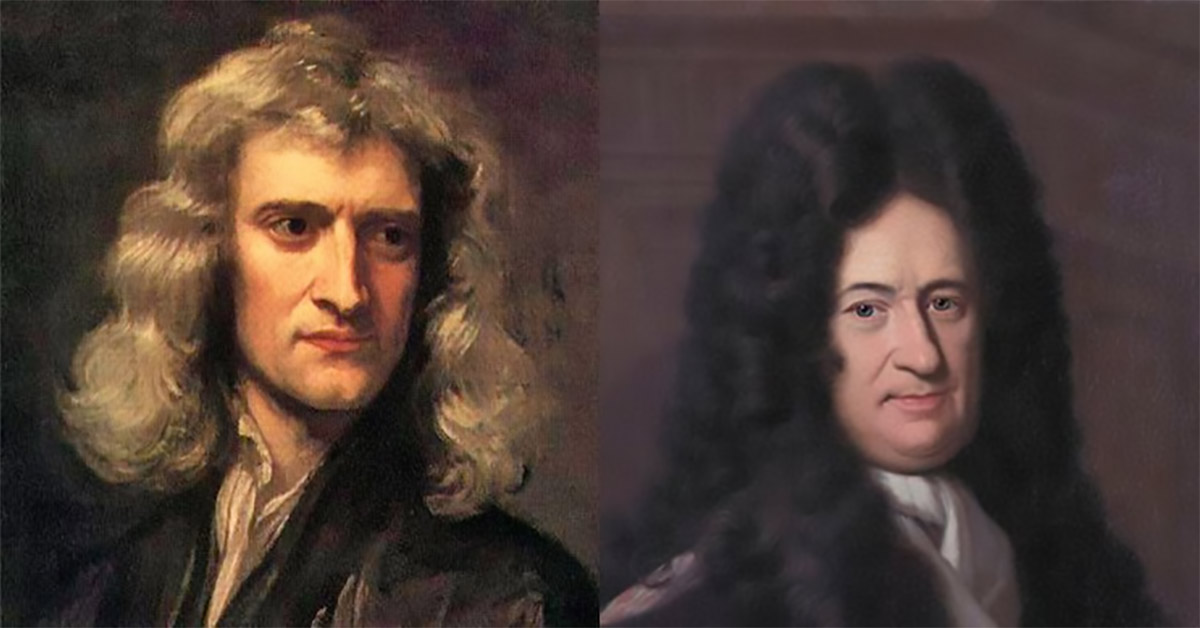
The Father of Modern Science: Isaac Newton

ursustel.net – In the annals of history, few individuals have left a mark as indelible as Sir Isaac Newton. Known as the father of modern science, Newton’s contributions to mathematics, physics, and astronomy have shaped the way we understand the universe. His work laid the foundation for much of the scientific and technological advancements that define our modern world.

The Early Life of Isaac Newton

Isaac Newton was born on January 4, 1643, in Woolsthorpe, England. He was a premature baby and was so small that no one expected him to survive. Despite his humble beginnings, Newton would grow up to become one of the most influential scientists of all time. His early life was marked by hardship, including the death of his father before he was born and a troubled relationship with his mother. Despite these challenges, Newton excelled in his studies and eventually enrolled in Trinity College, Cambridge.

Newton’s Contributions to Mathematics

Newton’s contributions to mathematics are monumental. He is credited with the development of calculus, a branch of mathematics that studies rates of change. Calculus has become an essential tool in science, engineering, and economics. Newton’s work in mathematics also included advancements in the field of algebra and the development of the binomial theorem.

The Laws of Motion and Universal Gravitation

Perhaps Newton’s most famous contributions are his three laws of motion and the law of universal gravitation. The laws of motion describe the relationship between a body and the forces acting upon it, and changes in the body’s motion due to these forces. The law of universal gravitation states that every mass attracts every other mass in the universe with a force that is directly proportional to the product of their masses and inversely proportional to the square of the distance between their centers. These laws revolutionized our understanding of the cosmos and laid the groundwork for classical mechanics.

Newton’s Work in Optics

Newton’s curiosity extended beyond the laws governing the motion of objects. He also made significant contributions to the field of optics. His experiments with light led to the discovery that white light is composed of the same system of colors that can be seen in a rainbow and that a prism could split light into a spectrum of colors. This work challenged the prevailing theories of light and color and led to the development of the reflecting telescope.

The Publication of Principia

In 1687, Newton published his most famous work, “Philosophiæ Naturalis Principia Mathematica” (Mathematical Principles of Natural Philosophy), commonly known as the Principia. This work outlined his laws of motion and universal gravitation, and it is considered one of the most important works in the history of science. The Principia provided a new framework for understanding the physical world and set the stage for the scientific revolution.

Legacy

Newton’s legacy is vast and enduring. His work has influenced countless scientists and has been instrumental in the development of modern physics. Newton’s laws of motion and universal gravitation were the standard for understanding the mechanics of the universe until the early 20th century when Albert Einstein’s theory of relativity provided a new perspective. However, Newton’s principles remain essential for understanding the behavior of objects at everyday speeds and sizes.

Conclusion

Isaac Newton’s contributions to science are unparalleled. His work in mathematics, physics, and astronomy laid the groundwork for the modern scientific era. Newton’s laws of motion and universal gravitation, along with his work in optics and mathematics, have had a profound impact on our understanding of the universe. As we continue to explore the mysteries of the cosmos, Newton’s legacy as the father of modern science endures.

The New Generation’s Exploration of Digital Worlds: Virtual Reality

ursustel.net – In the digital age, the boundaries between the physical and virtual worlds are blurring. Virtual Reality (VR) technology has emerged as a groundbreaking innovation, offering users the chance to immerse themselves in digital environments that mimic reality. For the new generation, VR is not just a technological curiosity; it’s a gateway to new forms of entertainment, education, and social interaction. This article explores how VR is shaping the experiences and expectations of the new generation as they navigate and explore digital worlds.

The Dawn of Immersive Experiences

The Evolution of VR Technology

The concept of virtual reality has been around for decades, but recent advancements in technology have made it more accessible and sophisticated than ever before. High-resolution displays, advanced motion tracking, and more comfortable hardware designs have contributed to a surge in VR’s popularity.

From Gaming to Beyond

Initially, VR was synonymous with gaming, offering players the chance to step into their favorite virtual worlds. However, the technology has rapidly expanded into other domains, including education, healthcare, and even real estate, providing immersive experiences that were once unimaginable.

Education in the Digital Age

VR as a Learning Tool

For the new generation, VR is not just a medium for entertainment; it’s also a powerful educational tool. By offering immersive experiences, VR can make learning more engaging and interactive. Whether it’s exploring historical sites, conducting virtual dissections, or even traveling through the human body, VR opens up new avenues for educational exploration.

The Future of Classrooms

As VR technology continues to evolve, it has the potential to revolutionize the traditional classroom experience. Imagine a world where students can learn about different cultures by virtually visiting countries or understand complex scientific concepts by interacting with 3D models. The possibilities are endless, and the new generation is at the forefront of this educational revolution.

Social Interaction in Virtual Spaces

The Rise of Virtual Social Platforms

Social media has long been a staple for the new generation, but VR is taking social interaction to the next level. Virtual social platforms allow users to create avatars and interact with others in immersive environments. From attending virtual concerts to exploring digital art galleries, VR offers new ways to connect and socialize.

Building Communities in Virtual Worlds

VR is not just about individual experiences; it’s also about building communities. Users can collaborate on projects, attend virtual events, and even work together in shared virtual spaces. This sense of community and collaboration is a hallmark of the new generation’s approach to virtual reality.

Ethical Considerations and Challenges

Balancing Virtual and Real-World Experiences

As the new generation becomes more engrossed in virtual worlds, there is a growing need to balance these experiences with real-world interactions. Educators and parents must navigate the fine line between leveraging VR for educational and social benefits and ensuring that it does not overshadow real-life experiences.

Privacy and Security in VR

With the rise of VR, concerns about privacy and security have also emerged. As users share more personal information and spend more time in virtual spaces, there is a greater risk of data breaches and privacy violations. It is crucial for developers and users alike to prioritize security measures to protect against these threats.

Conclusion

Virtual reality is more than just a technological novelty; it’s a transformative tool that is reshaping the way the new generation learns, socializes, and experiences the world. As VR technology continues to evolve, it will undoubtedly play an even more significant role in the lives of young people, offering endless possibilities for exploration and innovation. The new generation stands on the brink of a digital frontier, ready to explore the vast and immersive worlds that virtual reality has to offer.

New Breed of Fame: The Rise of YouTube Celebrities

ursustel.net – In the digital age, fame has taken on a new form, one that is not confined to the traditional realms of Hollywood, music, or sports. The internet, and more specifically platforms like YouTube, has given rise to a new breed of celebrities who have amassed millions of followers without ever stepping foot on a movie set or recording a hit single. This phenomenon has not only changed the face of entertainment but also the way fame is perceived and achieved.

The Birth of a Digital Star System

YouTube, launched in 2005, began as a platform for sharing personal videos. However, it quickly evolved into a stage for a new kind of performer. These YouTube celebrities, or YouTubers, come from all walks of life, with diverse talents ranging from comedy and music to gaming and DIY tutorials. What sets them apart is their ability to connect with their audience on a personal level, fostering a sense of community that is often missing from mainstream media.

The Power of Authenticity

One of the key factors in the rise of YouTube celebrities is authenticity. Unlike traditional celebrities, whose images are often carefully curated by publicists and agents, YouTubers present themselves as they are. This raw, unfiltered approach resonates with viewers who are tired of the polished veneer of traditional media. The result is a level of trust and loyalty that can translate into a dedicated fan base.

The Economics of YouTube Fame

The financial rewards for successful YouTubers can be substantial. Through ad revenue, sponsorships, and merchandise sales, top creators can earn millions of dollars annually. This has led to the emergence of YouTube as a viable career path for those looking to make a living from their online presence.

Challenges and Controversies

Despite the allure of YouTube fame, the path is not without its challenges. The platform’s algorithm changes can drastically affect a channel’s visibility, and the pressure to constantly produce engaging content can lead to burnout. Additionally, the public nature of the platform means that YouTubers are under constant scrutiny, with controversies often magnified by the digital echo chamber.

The Future of YouTube Celebrities

As YouTube continues to evolve, so too will the nature of YouTube celebrities. With the advent of new features like YouTube Premium and the increasing integration of YouTube content into traditional media, the lines between digital and mainstream fame are blurring. It is clear that YouTube celebrities are here to stay, and they will continue to shape the entertainment landscape for years to come.

Conclusion

The rise of YouTube celebrities represents a seismic shift in how fame is achieved and perceived. By leveraging the power of the internet, these digital stars have built empires that rival those of their mainstream counterparts. As the platform continues to grow and change, so too will the strategies and challenges faced by those looking to make a name for themselves on YouTube. One thing is certain: the new breed of fame that YouTube has spawned is here to stay, and it will continue to captivate audiences around the world.

Unveiling the Enigma of Future Foresight: The Mystic’s Prophecy

ursustel.net – In the annals of history, the enigmatic art of prophecy has captivated the minds and hearts of countless individuals. Among the most intriguing of these prophetic tales is “The Mystic’s Prophecy,” a narrative that transcends time, culture, and belief. This article delves into the essence of this mystical prediction, exploring its origins, its impact on society, and the lessons it imparts about the human condition.

Origins of the Mystic’s Prophecy

The origins of “The Mystic’s Prophecy” are shrouded in mystery, with various cultures and traditions claiming their own versions of the tale. Some trace its roots back to ancient civilizations, where oracles and seers were revered for their ability to glimpse into the future. Others believe it emerged from the spiritual practices of indigenous peoples, who communicated with the spirit world through rituals and visions. Regardless of its source, the prophecy has been passed down through generations, evolving and adapting to the changing landscape of human belief and understanding.

The Content of the Prophecy

At its core, “The Mystic’s Prophecy” speaks of a time of great transformation, a period when the world will undergo profound changes that will challenge the very fabric of human existence. It foretells of a convergence of events natural disasters, societal upheavals, and spiritual awakenings—that will force humanity to confront its deepest fears and highest aspirations. The prophecy does not predict doom but rather suggests that these trials will serve as a crucible, refining humanity and leading to a new era of enlightenment and harmony.

Impact on Society

Throughout history, “The Mystic’s Prophecy” has influenced various aspects of society, from art and literature to politics and religion. It has inspired movements and shaped the worldviews of countless individuals, encouraging some to prepare for the predicted changes while prompting others to reflect on their values and priorities. The prophecy has also been a source of controversy, with skeptics dismissing it as mere superstition and others embracing it as divine revelation.

Interpretations and Meanings

One of the most fascinating aspects of “The Mystic’s Prophecy” is its open-ended nature, allowing for multiple interpretations. Some see it as a literal prediction of future events, while others view it as a metaphorical guide for personal growth and spiritual development. Regardless of how it is interpreted, the prophecy serves as a reminder of the interconnectedness of all things and the importance of living in harmony with oneself, others, and the planet.

Conclusion

“The Mystic’s Prophecy” is more than just a prediction of future events; it is a timeless narrative that speaks to the human quest for meaning, purpose, and connection. Whether viewed as a literal forecast or a symbolic allegory, the prophecy challenges us to consider our place in the world and the legacy we wish to leave for future generations. As we navigate the complexities of the modern age, the wisdom contained within “The Mystic’s Prophecy” offers a beacon of hope and a path toward a brighter, more enlightened future.

The Role of Mentorship in Achieving Success

ursustel.net – Success is a multifaceted concept that can mean different things to different people. However, one common thread that often runs through the stories of successful individuals is the presence of a mentor. Mentorship is a powerful tool that can guide, inspire, and propel individuals towards achieving their goals. This article explores the various ways in which mentorship plays a crucial role in the journey to success.

The Power of Knowledge and Experience

One of the primary benefits of having a mentor is the access to their wealth of knowledge and experience. Mentors have typically walked the path that their mentees are embarking on and can offer invaluable insights into potential pitfalls and strategies for overcoming them. This transfer of wisdom can significantly shorten the learning curve for mentees, allowing them to make informed decisions and avoid common mistakes.

Guidance and Direction

Success often requires navigating through a maze of choices and challenges. A mentor can provide guidance and direction, helping mentees to set realistic goals and develop a roadmap to achieve them. This personalized advice can be particularly beneficial in complex or unfamiliar situations, where the mentor’s expertise can offer clarity and confidence.

Motivation and Support

The journey to success is rarely a smooth one, and setbacks are inevitable. Mentors play a crucial role in providing motivation and support during these challenging times. They can offer encouragement, help to maintain perspective, and provide the emotional support needed to persevere and bounce back from failures.

Expanding Networks and Opportunities

Mentors often have extensive professional networks that can be leveraged to open doors for mentees. Introductions to key individuals, recommendations for opportunities, and invitations to industry events can all contribute to the mentee’s growth and visibility. This expansion of networks can lead to collaborations, mentorship opportunities, and career advancements that might otherwise have been inaccessible.

Personal and Professional Development

Mentorship is not just about career progression; it also plays a significant role in personal development. Mentors can act as role models, demonstrating professionalism, ethics, and leadership qualities. They can also provide feedback on mentees’ performance, helping them to identify areas for improvement and work on their personal brand.

Conclusion

The role of mentorship in achieving success cannot be overstated. Mentors provide knowledge, guidance, motivation, and opportunities that can significantly enhance a mentee’s journey. By fostering a supportive and educational relationship, mentorship can empower individuals to reach their full potential and achieve their definition of success. Whether you are just starting out in your career or looking to take the next step, finding a mentor who aligns with your goals and values can be a game-changer.

Evaluating the Effectiveness of Charitable Programs

ursustel.net – In the realm of philanthropy and nonprofit organizations, the measurement of success is a critical yet often complex endeavor. Charitable programs, designed to address a myriad of social, environmental, and economic issues, require robust evaluation frameworks to ensure their effectiveness and impact. This article delves into the importance of measuring success in charitable programs, explores various methods of evaluation, and discusses the challenges and best practices in assessing the outcomes of these initiatives.

The Importance of Measuring Success

Charitable programs are established with the noble intention of making a positive difference in the world. However, without clear metrics and evaluation strategies, it is challenging to determine whether these programs are achieving their intended goals. Measuring success is not only about accountability to donors and stakeholders but also about learning and improving. By understanding what works and what doesn’t, organizations can refine their strategies, optimize resource allocation, and ultimately, enhance their impact.

Methods of Evaluating Charitable Programs

1. Outcome Measurement

Outcome measurement focuses on the specific changes or benefits resulting from a program. This could involve tracking changes in behavior, knowledge, skills, or conditions among the target population. For example, an education program might measure success by the increase in literacy rates among participants.

2. Impact Evaluation

Impact evaluation goes a step further to assess the longer-term effects of a program. It seeks to understand the causal relationship between the program and the observed outcomes, often using control groups or comparison populations to isolate the program’s effects.

3. Process Evaluation

Process evaluation examines how a program is implemented. It looks at the delivery of services, the reach of the program, and the fidelity to the intended model. This type of evaluation is crucial for understanding why certain outcomes are achieved and can inform future program design and implementation.

4. Economic Evaluation

Economic evaluation assesses the cost-effectiveness of a program. It compares the costs of the program to the benefits it provides, often expressed in monetary terms. This approach helps in prioritizing investments and ensuring that resources are used efficiently.

Challenges in Measuring Success

Measuring the success of charitable programs is fraught with challenges. These include the difficulty in isolating the impact of a program from other external factors, the long-term nature of some outcomes, and the intangible benefits that may not be easily quantifiable. Additionally, there is the challenge of balancing the need for rigorous evaluation with the practical realities of limited resources and capacity within nonprofit organizations.

Best Practices for Evaluating Charitable Programs

To effectively measure success, organizations should adopt a few best practices:

  • Set Clear, Measurable Goals: Define specific, measurable, achievable, relevant, and time-bound (SMART) objectives from the outset.
  • Use Mixed Methods: Combine quantitative and qualitative data to gain a comprehensive understanding of program outcomes and the experiences of beneficiaries.
  • Engage Stakeholders: Involve stakeholders, including beneficiaries, in the evaluation process to ensure that the measures of success are relevant and meaningful.
  • Learn and Adapt: Use evaluation findings to inform continuous improvement and adapt programs based on what is working and what is not.
  • Communicate Results: Share evaluation findings transparently with donors, partners, and the public to build trust and accountability.

Conclusion

Measuring the success of charitable programs is essential for ensuring that resources are used effectively and that the intended benefits are achieved. By adopting a strategic approach to evaluation, nonprofit organizations can demonstrate their impact, learn from their experiences, and continuously improve their programs. Ultimately, this commitment to measuring success not only strengthens individual organizations but also enhances the broader field of philanthropy, ensuring that collective efforts are as impactful as possible.

Tales Woven Under the Stars: Moroccan Storytelling

ursustel.net – In the heart of Morocco, where the desert sands meet the starlit sky, an ancient tradition thrives—a tradition that has been passed down through generations, weaving tales as intricate as the patterns on a Moroccan rug. This is the art of Moroccan storytelling, a captivating blend of folklore, mythology, and cultural heritage that has enchanted listeners for centuries.

The Heart of Moroccan Culture

Storytelling in Morocco is more than just a pastime; it is a cornerstone of the country’s cultural identity. It is a way to preserve history, impart wisdom, and entertain. These stories, often told around campfires or in the bustling squares of cities like Marrakech, are windows into the soul of Morocco, reflecting its rich diversity, its struggles, and its triumphs.

Tales of Djinns, Heroes, and Legends

The tales that emerge from Moroccan storytelling are as varied as the landscapes of the country itself. From stories of djinns (genies) that inhabit the desert sands to tales of heroism and adventure, each narrative is a tapestry of imagination and tradition. One of the most famous collections of Moroccan folktales is “One Thousand and One Nights” (also known as “Arabian Nights”), which features the cunning and clever Scheherazade, who saves her own life by entertaining a king with stories every night.

The Art of the Storyteller

The Moroccan storyteller, or “hakawati,” is a master of their craft. With a voice that can captivate an audience and transport them to another world, the hakawati uses gestures, facial expressions, and changes in tone to bring their tales to life. They are not just narrators but performers, embodying each character and making the stories as vivid as possible.

Preserving the Tradition

In an era where technology and modern entertainment dominate, Moroccan storytelling faces challenges. However, efforts are being made to preserve this tradition. Festivals and cultural events celebrate Moroccan folklore, and storytelling workshops are held to teach the younger generation the art of storytelling. Additionally, many storytellers are now recording their tales, ensuring that these narratives are not lost to time.

A Journey Through Time

Listening to a Moroccan storyteller is like embarking on a journey through time. It is an opportunity to experience the magic of oral tradition, to learn about a culture’s history and values, and to be reminded of the power of storytelling to connect us, even across vast distances of time and space.

Conclusion

Moroccan storytelling is a testament to the enduring power of narrative. It is a bridge between the past and the present, a means of cultural transmission, and a source of entertainment and wisdom. As the stars twinkle above the desert sands, the tales woven by Moroccan storytellers continue to captivate and inspire, reminding us of the universal language of storytelling that unites us all.

Perceiving the World Differently: The Senses of Animals

ursustel.net – The natural world is a tapestry of diverse life forms, each uniquely adapted to its environment. Among the most fascinating aspects of this biodiversity is the array of sensory capabilities that animals possess. While humans rely on sight, hearing, taste, smell, and touch to navigate the world, many animals have evolved senses that far surpass or differ significantly from our own. This article explores the extraordinary sensory worlds of animals, revealing how they perceive their surroundings in ways that are often beyond human comprehension.

Vision Beyond the Visible

Many animals see the world through a different lens than humans. Birds of prey, like eagles, have acute vision that is up to eight times more powerful than human vision, allowing them to spot small prey from great heights. On the other end of the spectrum, nocturnal animals such as owls and cats have highly developed night vision, with eyes that can detect low levels of light, enabling them to hunt in near darkness.

Some species can see colors that humans cannot. Bees and butterflies, for example, can perceive ultraviolet light, which helps them locate nectar in flowers. This ability is crucial for pollination, a process essential for the reproduction of many plants.

Hearing the Inaudible

The auditory world of animals is equally diverse. Bats and dolphins use echolocation, a form of sonar, to navigate and hunt. They emit high-frequency sounds that bounce off objects and return as echoes, allowing them to “see” with sound. This ability is so precise that bats can detect the wing beats of an insect, while dolphins can discern the shape and size of objects underwater.

Elephants, on the other hand, communicate using infrasound, sounds that are below the frequency that humans can hear. These low-frequency rumbles can travel long distances, allowing elephants to stay in contact with each other over several kilometers.

Smelling the Unsmellable

The sense of smell is crucial for many animals, and some have an olfactory ability that far exceeds human capabilities. Dogs, for instance, have an incredible sense of smell that is up to 10,000 to 100,000 times more sensitive than that of humans. This keen sense of smell is used for hunting, tracking, and even detecting diseases in humans.

Bloodhounds are particularly famous for their tracking abilities, which are so precise that they can follow a trail that is days old. Bears also have an exceptional sense of smell, which they use to locate food buried under snow or hidden in the forest.

Tasting the Invisible

While humans have taste buds that detect sweet, sour, salty, bitter, and umami, some animals have evolved to taste things that are invisible to us. Sharks, for example, can detect tiny amounts of blood in the water, which helps them find prey from miles away. This sensitivity is due to their ampullae of Lorenzini, specialized organs that detect electrical impulses generated by the muscle contractions of other animals.

Feeling the Imperceptible

Touch is another sense that varies greatly among animals. Cats have whiskers that are highly sensitive to air movements, helping them navigate in the dark and detect the presence of other animals. Elephants use their trunks not only for grasping but also for sensing texture, temperature, and smell, making them incredibly versatile organs.

Conclusion

The sensory capabilities of animals are a testament to the incredible diversity of life on Earth. From the ultraviolet-seeing eyes of bees to the infrasound communication of elephants, each species has evolved unique senses that are perfectly suited to its environment. Understanding these sensory worlds not only enriches our appreciation of the natural world but also provides insights into the potential for sensory perception and adaptation. As we continue to explore the senses of animals, we are reminded of the vastness of the perceptual universe and the myriad ways in which life has adapted to the challenges of the natural world.